Before You Go — Get BRAND BOA Updates Top Products, Shed Plans & Estimating Tips
Join homeowners, DIY builders & contractors
Subscribe to receive construction product recommendations, shed plan updates, BOQ tips, and useful buying guides for tools, materials, finishes, and building essentials. We’ll help you discover selected products from trusted USA suppliers and share practical ideas to plan, price, and build smarter.
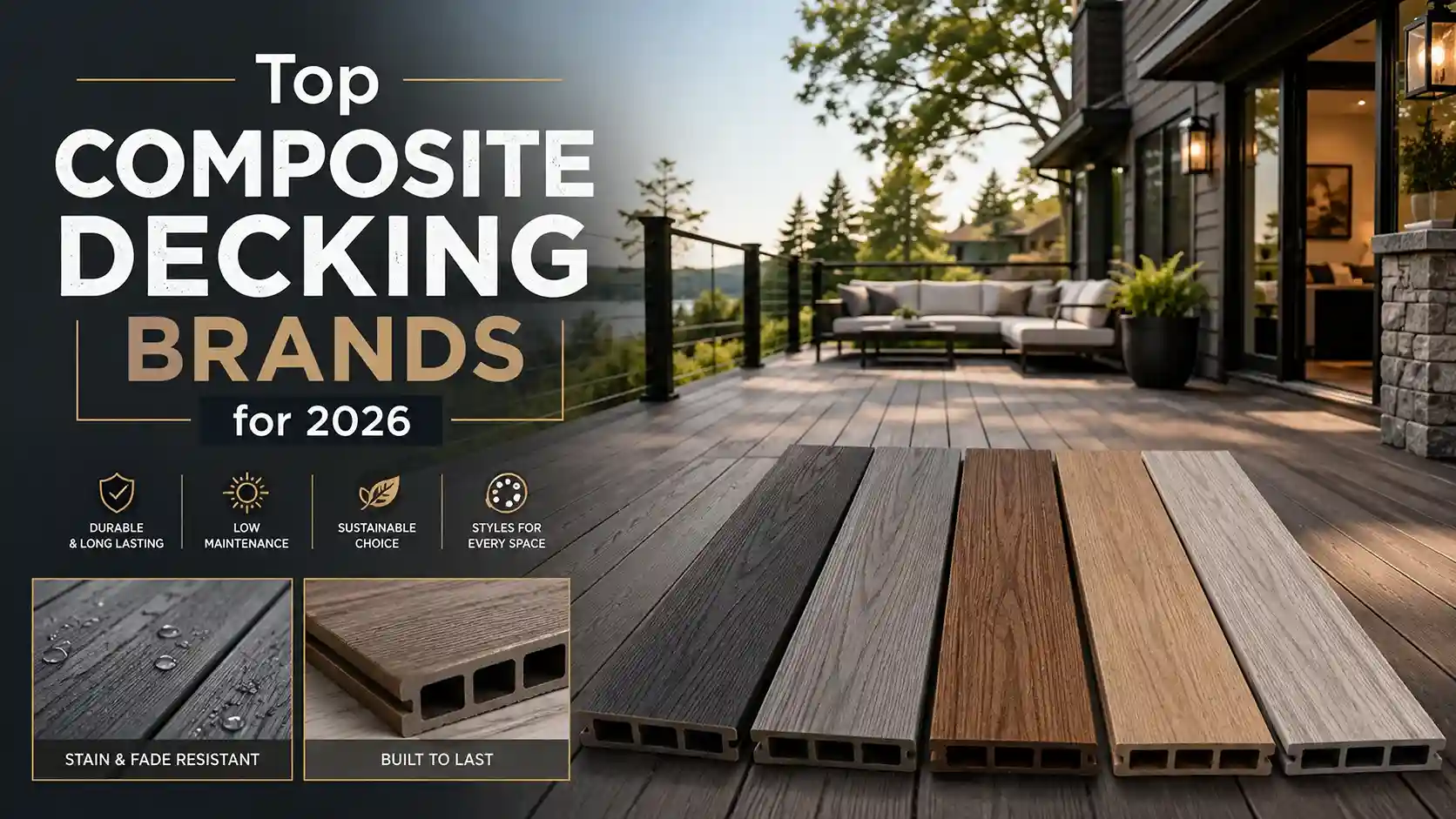
Building your dream outdoor space in 2026 no longer requires signing up for a lifetime of sanding, staining, and sealing. If you are on the hunt for the best composite decking to elevate your backyard, you are in exactly the right place.
Navigating the sheer volume of decking material options can feel overwhelming, especially with the rapid technological advancements in the outdoor living industry. Modern engineering has completely transformed artificial wood alternatives, resulting in boards that mimic the deep, rich grain of natural timber while offering unparalleled durability.
Choosing the right brand is only one part of planning a successful decking project. You can also explore the key benefits of composite decking for homeowners, including durability, low maintenance and long-term value.
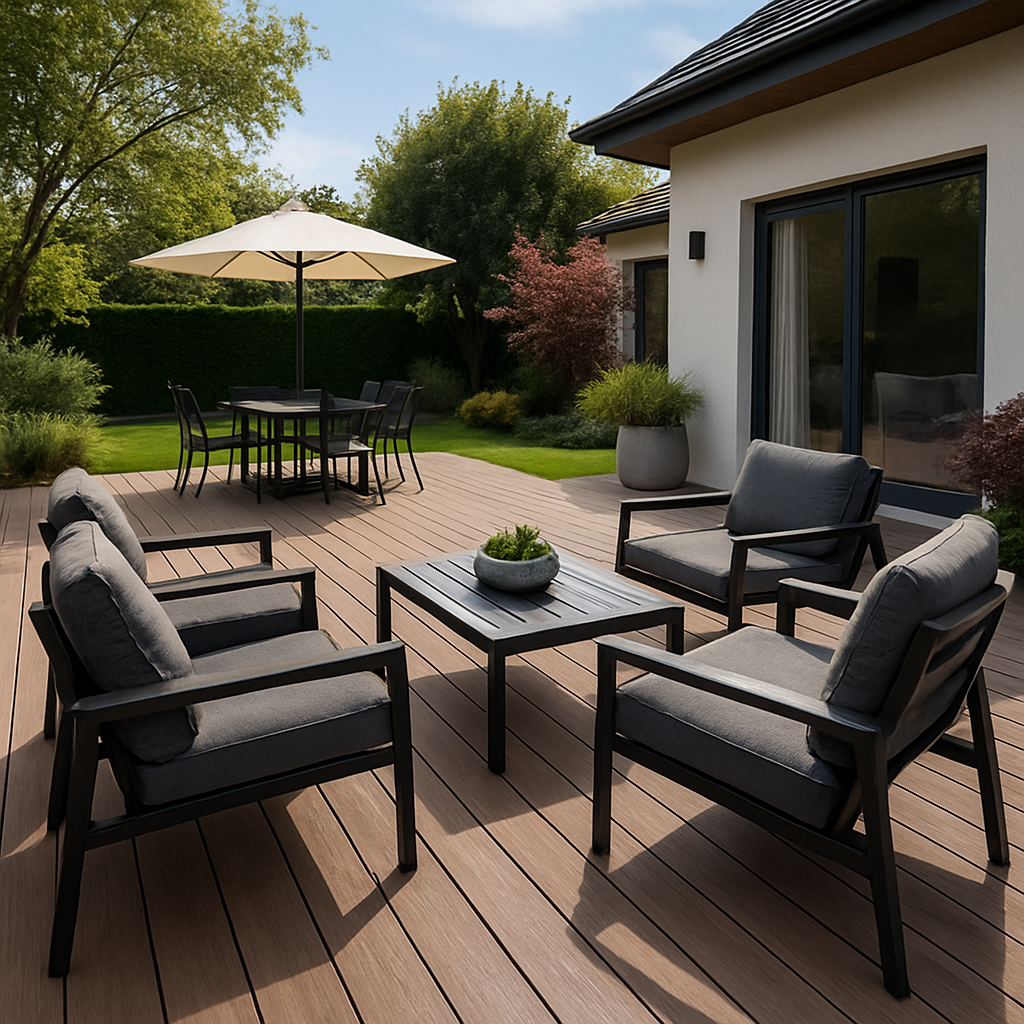
Whether you are building a sprawling multi-tier entertainment space or a cozy backyard patio, choosing the best composite decking material is the foundation of a successful project. Let’s dive deep into the top brands, essential features, and expert tips to help you design a beautiful, long-lasting deck.
Why Make the Switch from Traditional Wood?
For generations, pressure-treated lumber and cedar were the gold standards for outdoor patios. But today, homeowners are overwhelmingly pivoting toward low maintenance decking materials.
If you are on the fence, a quick composite vs wood decking cost comparison reveals an interesting reality. Traditional wood is certainly cheaper at the cash register. However, when you factor in the annual costs of stains, waterproof sealers, wood replacements, and the sheer value of your time, composite pays for itself in just over a decade.
Furthermore, many homeowners ask: how long do composite decks last? With proper installation, most premium composite boards will easily last 25 to 50 years. They do not rot, warp, or invite termite infestations, making them an incredibly smart long-term investment for your property value.
Understanding the Tech: Capped vs Uncapped Composite Decking
Before comparing specific brands, it is critical to understand how these boards are manufactured. The most significant distinction you will encounter is capped vs uncapped composite decking.
Uncapped Composite: This is the older, first-generation technology. It mixes wood fibers and recycled plastics but leaves the core exposed to the elements. Because it lacks a protective outer shell, it is susceptible to fading, staining, and mold.
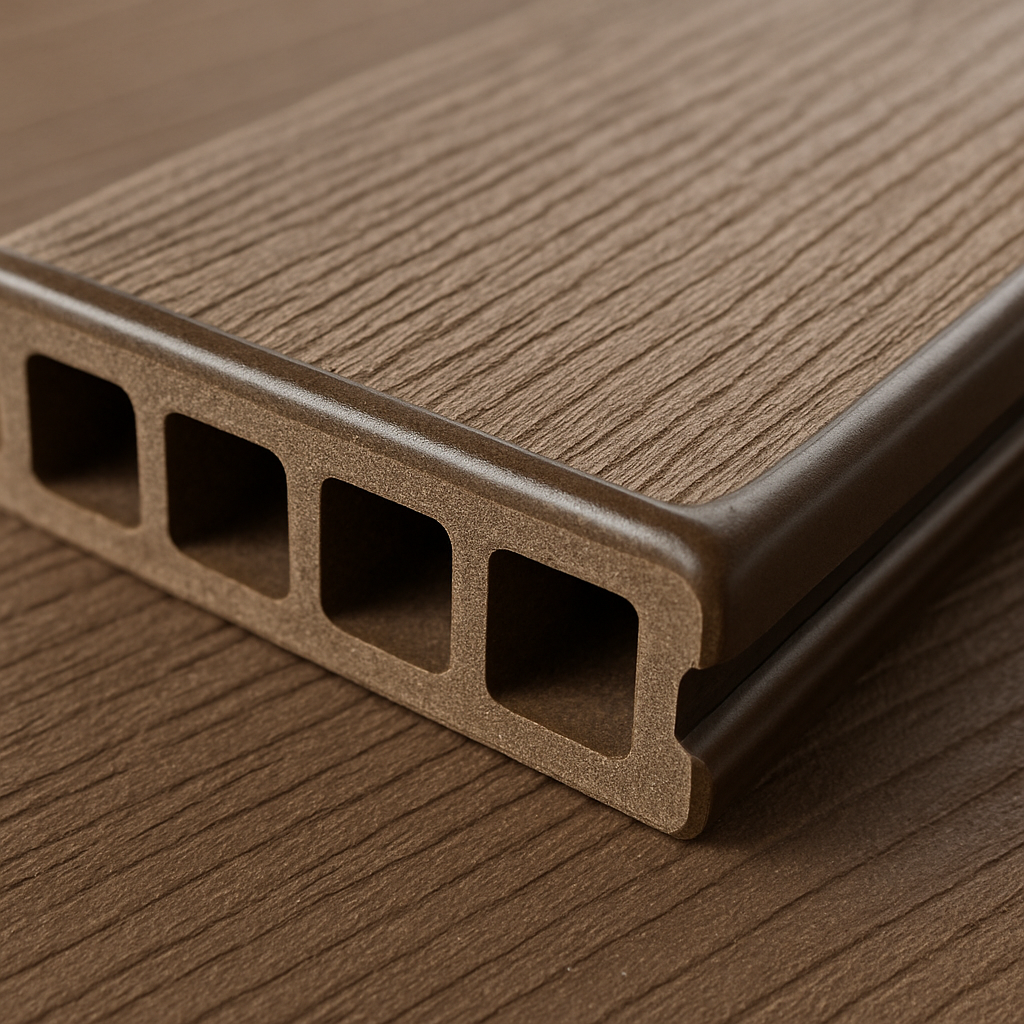
Capped Composite: Today’s best composite deck boards are capped. This means the wood-plastic core is wrapped in a hard, protective polymer shell (sometimes on all four sides, sometimes just on the top and sides). This shell provides the board with its defense against the weather, stains, and UV rays.
If you want an outdoor space that looks brand new decades after installation, always opt for a capped board.
Top Brands of 2026: Trex vs TimberTech vs Fiberon
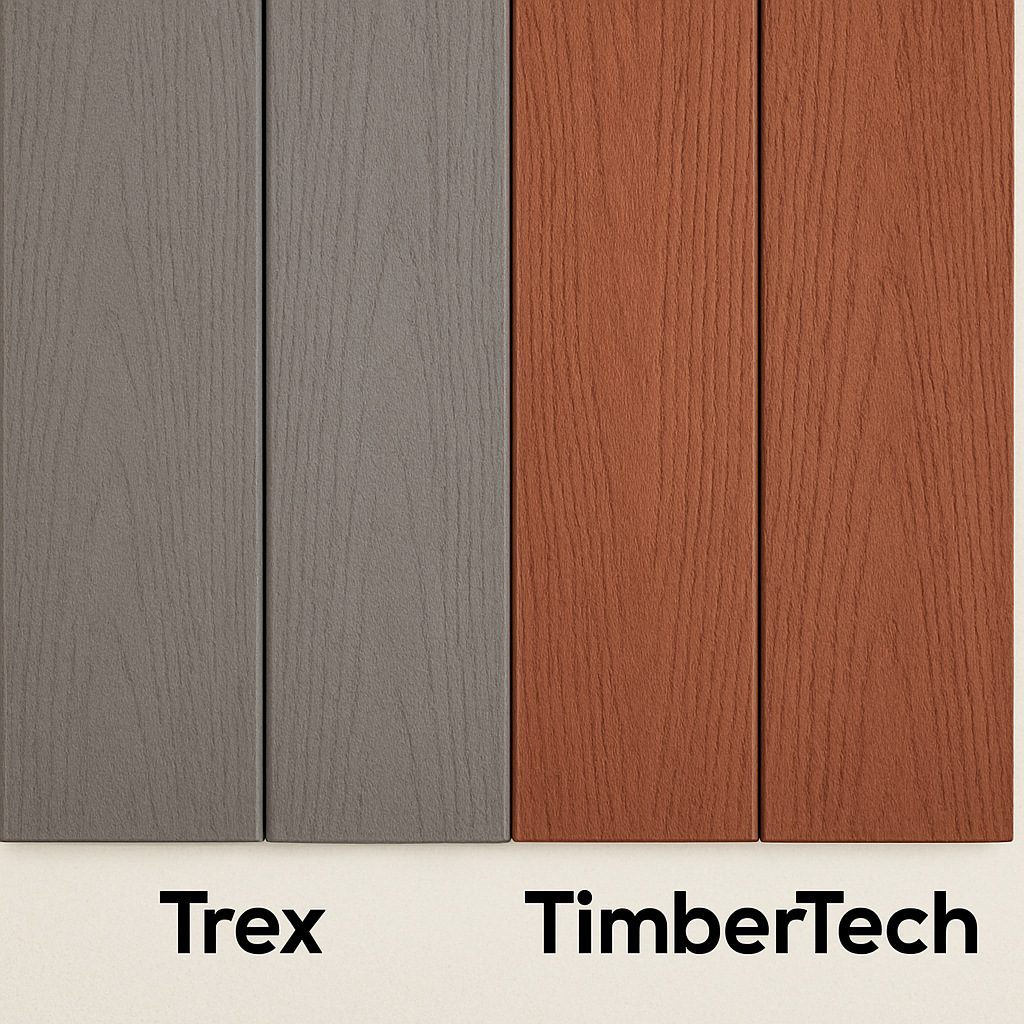
When you start shopping, three giants dominate the market. A thorough Trex vs TimberTech vs Fiberon comparison is essential for finding the right fit for your aesthetic and budget. Here is how the big three stack up this year.
1. Trex: The Industry Pioneer
As the brand that practically invented the category, Trex remains a powerhouse. Trex is highly celebrated for producing eco-friendly recycled deck boards. In fact, their boards are made from 95% recycled materials, including reclaimed wood sawdust and recycled plastic film (like grocery bags).
Top Line: Trex Transcend Lineage offers advanced heat-mitigating technology and beautifully refined wood grains.
Best For: Eco-conscious consumers looking for the absolute best composite decking brand with a proven, decades-long track record of reliability.
2. TimberTech: The Aesthetic Champion
If you are searching for the best composite wood decking that looks indistinguishable from premium hardwoods like mahogany or ipe, TimberTech is the undisputed champion. Their Advanced PVC line (formerly Azek) contains no wood fibers at all in the core or the cap, making it a truly moisture resistant outdoor flooring solution.
Top Line: TimberTech Advanced PVC Vintage Collection.
Best For: Homeowners near water, those wanting a hyper-realistic wood aesthetic, and those looking for superior fire resistance.
3. Fiberon: The Value and Quality Hybrid
Fiberon continues to win over contractors and homeowners alike by offering high-end aesthetics without the premium price tag. If you are looking for the best deck composite decking that balances cost and beauty, Fiberon’s warm, earthy tones are a massive hit.
Top Line: Fiberon Concordia.
Best For: Budget-conscious buyers who refuse to compromise on the protective benefits of a premium capped board.
Key Features to Consider for Your Lifestyle
Choosing a brand is only step one. To find the top rated decking material for your specific home, you have to look at how you actually use your backyard.
Solutions for Pet Owners
Dogs and wooden decks often result in scratched surfaces and splinters in paws. Premium capped composites are designed with a dense polymer shell, acting as naturally scratch resistant decking for pets. Your dogs can run, play, and skid across the surface without gouging the material.
Poolside Decking Considerations
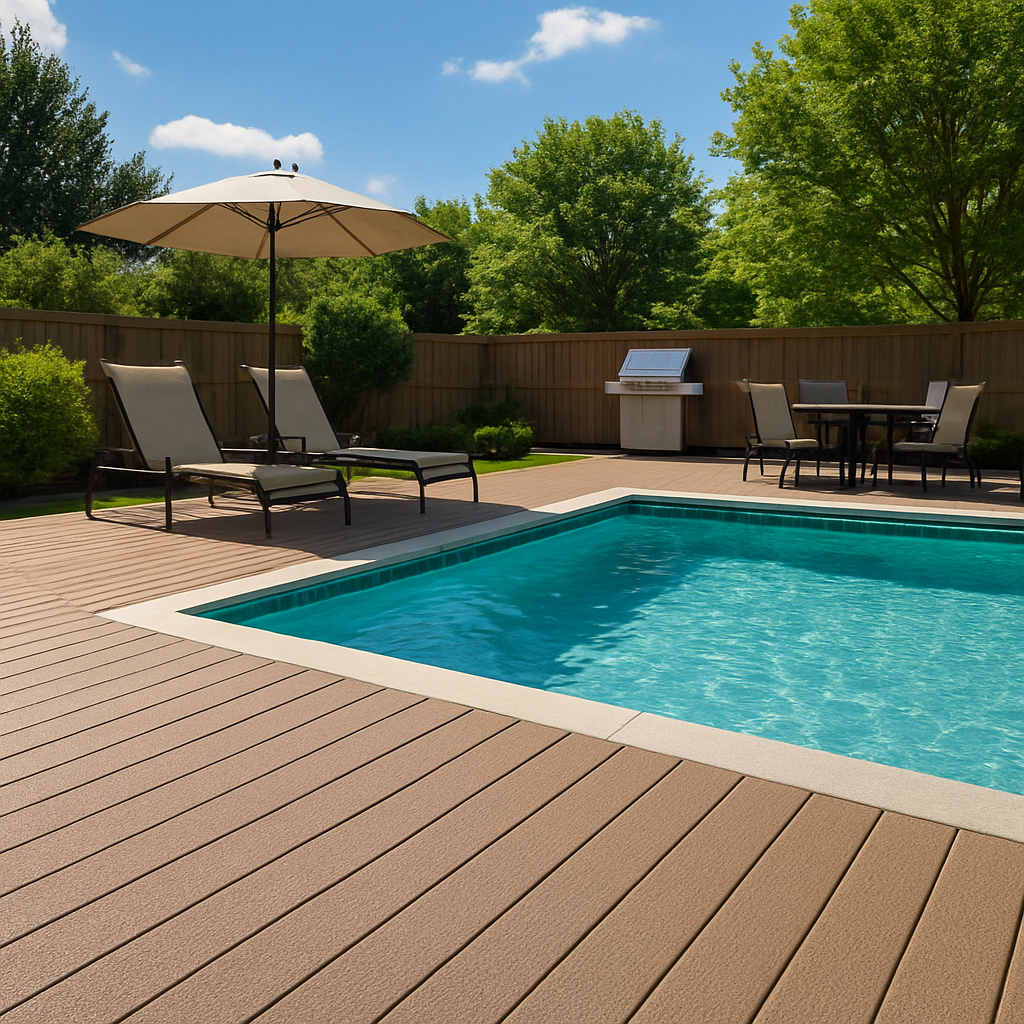
If your deck wraps around a pool or a hot tub, you have two primary safety concerns: heat and moisture.
Heat: Darker composites can get notoriously hot in direct sunlight. Fortunately, recent innovations have introduced heat resistant composite decking for pools. Brands like TimberTech and Trex have engineered specific light-colored boards designed to reflect UV rays, keeping the deck significantly cooler to the touch.
Traction: Wet feet running across plastic can be dangerous. Look for boards with a deeply embossed wood grain texture, which provides highly effective slip resistant deck surfaces.
Battling the Sun
There is nothing more frustrating than paying thousands of dollars for a rich, dark walnut deck, only to watch it turn pale gray in three years. Modern capped boards feature advanced UV inhibitors engineered specifically for composite deck color fading prevention. Most top-tier brands now offer a 25- to 50-year fade and stain warranty.
Budgeting and Installation
What to Expect for Costs
The average price per square foot composite decking varies widely based on the tier of the product.
Materials Only: You can expect to pay anywhere from $5 to $15 per square foot for the boards themselves.
Fully Installed: Once you factor in substructure framing, hardware, labor, and permits, professional installations usually range between $30 and $60 per square foot.
The Installation Process
If you are a handy DIY enthusiast, you might be wondering how to install composite deck boards. While the framing (joists, posts, and beams) is identical to a traditional wood deck, laying the composite surface requires a slightly different approach.
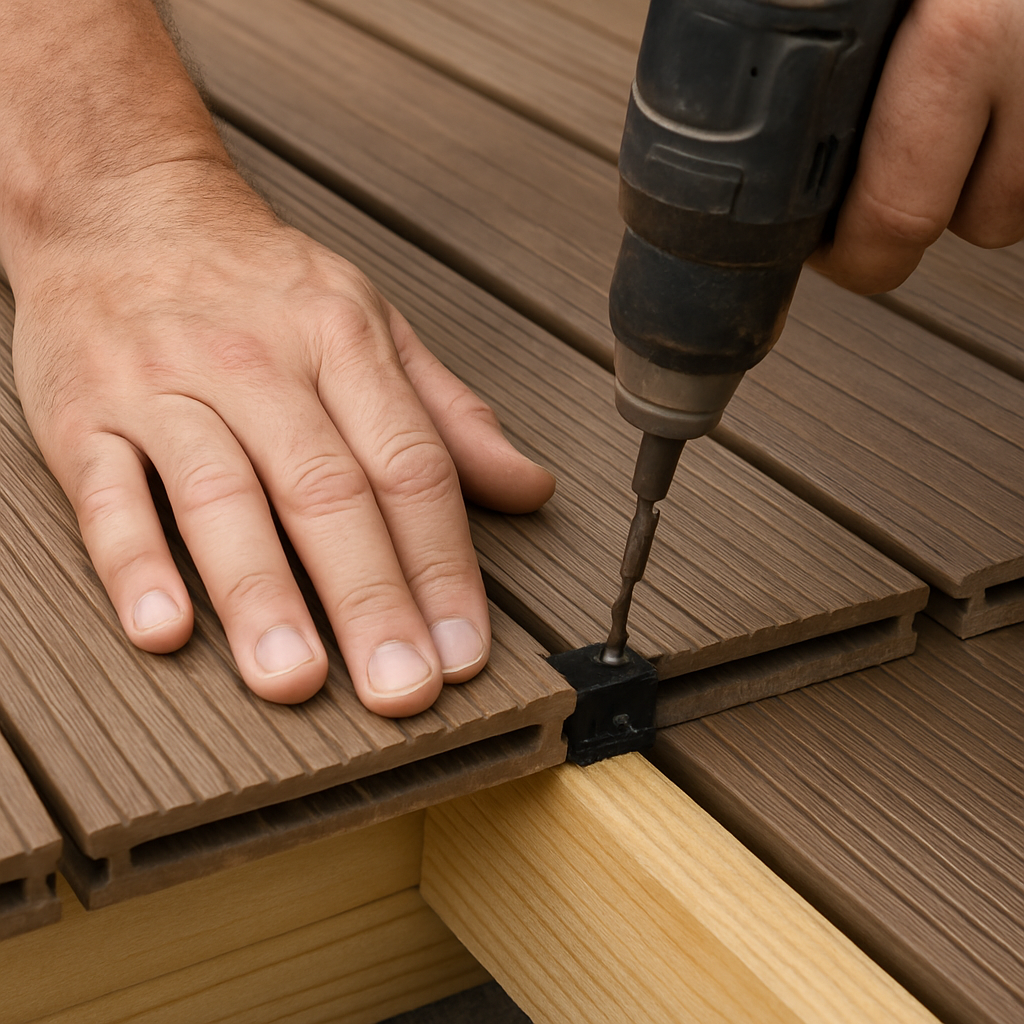
The biggest game-changer in modern installation is the use of hidden fastener installation systems. Instead of driving screws straight down through the face of the board (which leaves ugly holes that can collect water), the boards feature grooved edges. Plastic or metal clips slide into these grooves and screw directly into the joist. This secures the board while maintaining a perfectly smooth, unblemished walking surface.
Pro Tip: Because composite boards expand and contract longitudinally with temperature changes, it is vital to follow the manufacturer’s gapping requirements to the letter. Failing to leave the proper gap at the butt joints can cause the boards to buckle in the summer heat.
Care and Maintenance: Keeping It Looking New
Composite decking is famously low maintenance, but that does not mean it is zero maintenance. To ensure your deck lasts for decades, you need to know the secrets to cleaning composite decks without damaging the protective shell.
Skip the Harsh Chemicals: Avoid bleach and heavy solvents. Most spills (wine, grease from the grill) can be wiped up easily with warm water and a mild dish soap.
Be Gentle with the Pressure Washer: You can pressure wash a composite deck, but you must be incredibly careful. Use a wide fan tip, keep the pressure under 1500 PSI, and hold the wand at least a foot away from the surface. Getting too close can slice through the polymer cap, completely ruining the board and voiding your warranty.
Sweep Regularly: Keep wet leaves, pine needles, and dirt from piling up in the gaps between boards. Organic matter trapped in the gaps can restrict airflow and promote surface mildew over time.
Use Safe Ice Melts: If you live in a snowy climate, use calcium chloride-based ice melts rather than rock salt, which can scratch the surface. Always use a plastic shovel with no metal edge to clear snow.
Final Thoughts
Upgrading your outdoor living space is one of the most rewarding home improvement projects you can undertake. By choosing the best composite decking for your climate, budget, and lifestyle, you are setting yourself up for decades of backyard barbecues, morning coffees, and sunset gatherings without the dread of springtime maintenance.
Take your time exploring the different textures and colors offered by the top brands. Order samples, leave them out in your yard to see how they look in direct sunlight, and consult with a certified installer. The perfect deck is out there waiting for you to build it.
Newsletter Updates
Enter your email address below and subscribe to our newsletter