Before You Go — Get BRAND BOA Updates Top Products, Shed Plans & Estimating Tips
Join homeowners, DIY builders & contractors
Subscribe to receive construction product recommendations, shed plan updates, BOQ tips, and useful buying guides for tools, materials, finishes, and building essentials. We’ll help you discover selected products from trusted USA suppliers and share practical ideas to plan, price, and build smarter.
Creating a beautiful, functional backyard requires more than just a great layout—it demands the right materials. As homeowners increasingly prioritize eco-friendly living, the demand for sustainable materials in home renovation has skyrocketed. Whether you are building a sprawling deck, a cozy backyard patio, or a robust garden retaining wall, your choices in outdoor building materials play a critical role in minimizing your home’s environmental impact while maximizing its longevity.
Thoughtful outdoor design seamlessly blends aesthetics with environmental responsibility. By choosing the right products, you can reduce waste, lower your long-term maintenance costs, and create a safe haven for your family. In this comprehensive guide, we will explore the best options available today to help you build an eco-conscious, beautiful outdoor living space.
The Foundation of Eco-Conscious Construction
Going green in your backyard doesn’t mean sacrificing quality or breaking the bank. In fact, many eco-conscious products offer superior, durable construction compared to their traditional, mass-produced counterparts.
To build responsibly, start by sourcing green building supplies from local manufacturers whenever possible. This reduces the carbon footprint associated with heavy transportation. Additionally, utilizing sustainable landscaping construction supplies—such as recycled aggregates, reclaimed wood, and low-VOC (volatile organic compound) sealants—ensures that the soil and groundwater surrounding your home remain free of harmful chemical leaching.
Decking and Patios: Crafting Your Outdoor Oasis
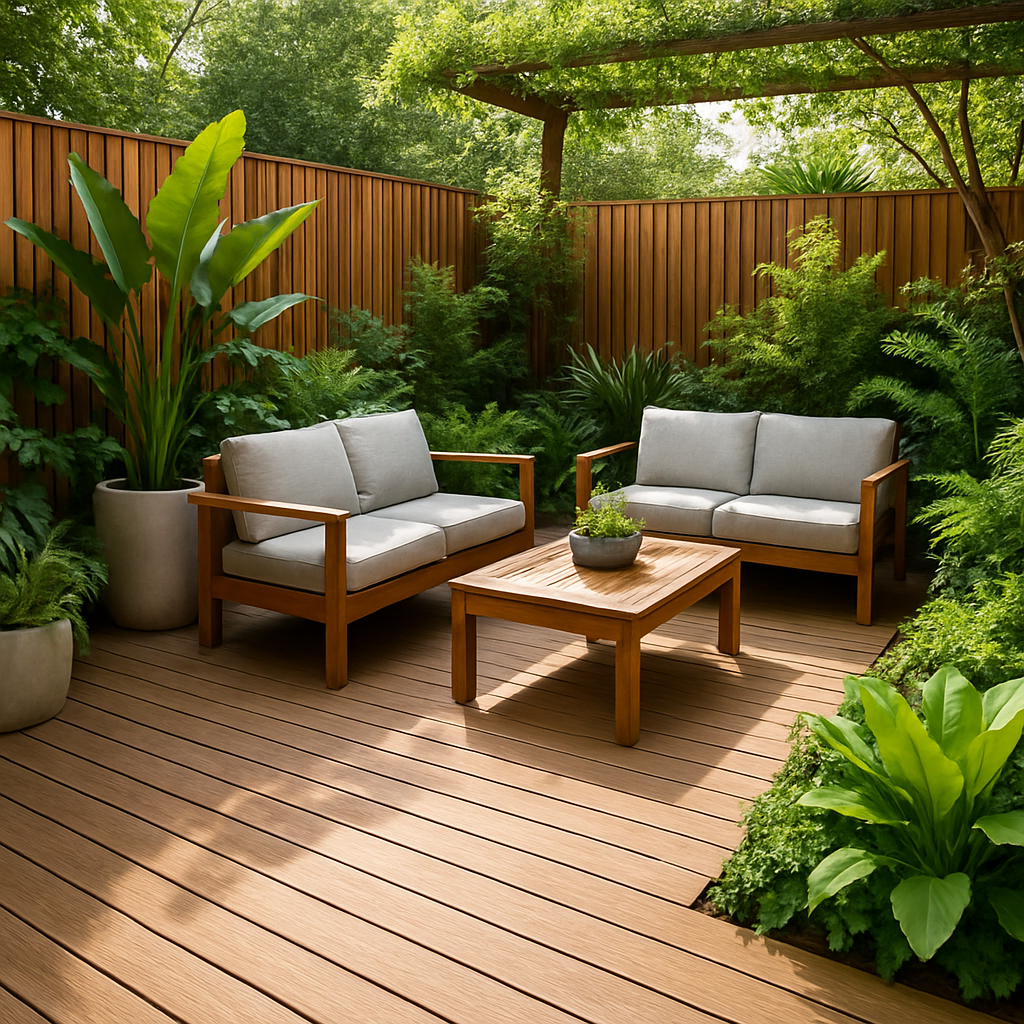
The deck or patio is often the centerpiece of any outdoor living space. Selecting the right flooring material dictates how much time you will spend enjoying your yard versus maintaining it.
Evaluating Decking Options
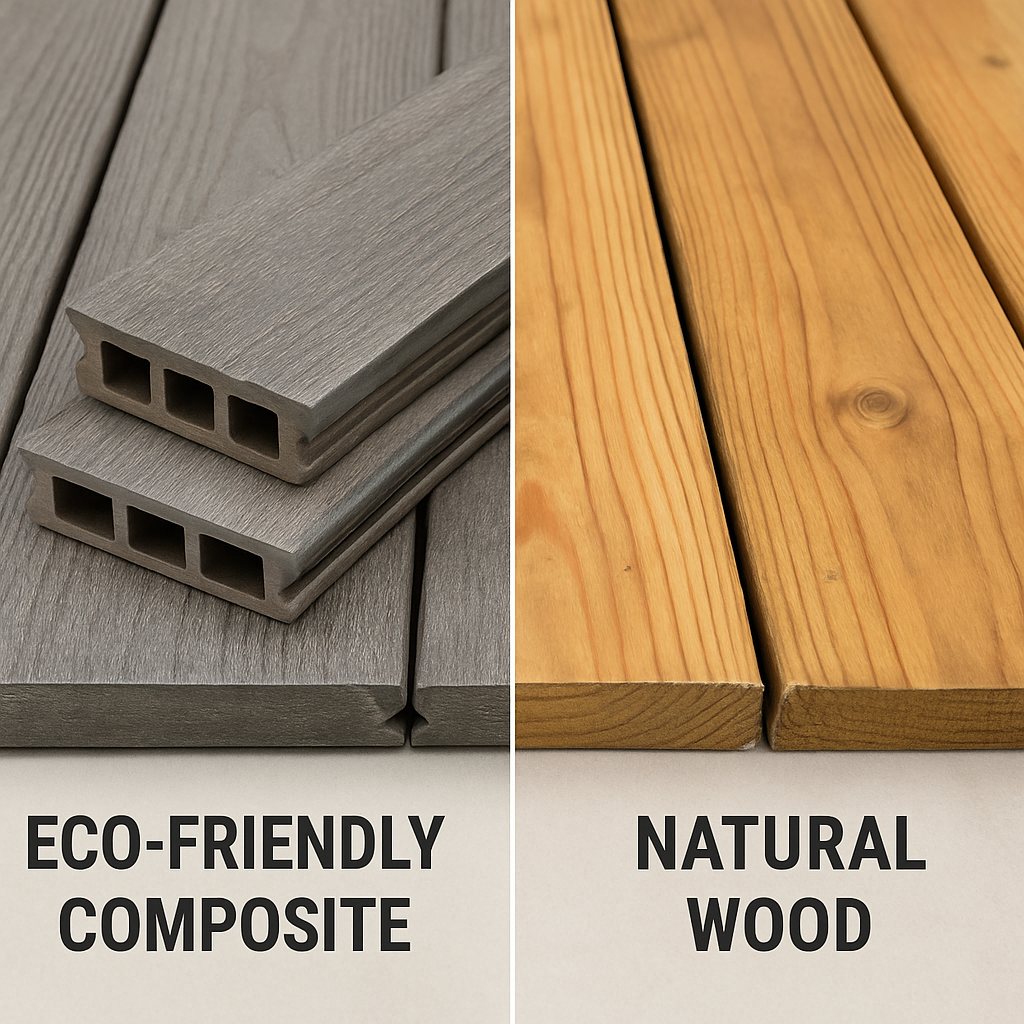
When deciding on the surface of your new deck, the debate often comes down to synthetic versus traditional materials. When weighing composite decking vs natural wood cost, it is important to look beyond the initial purchase price. Composite decking, made from recycled plastics and wood fibers, carries a higher upfront cost. However, it requires no staining or sealing, saving you significant money and labor over time.
Conversely, traditional wood is cheaper initially but requires rigorous annual maintenance. You must also consider the pressure-treated lumber lifespan. While chemically treated pine is incredibly common and budget-friendly, it typically only lasts 15 to 20 years before it begins to splinter, warp, or decay, inevitably ending up in a landfill.
Advanced Timber Technologies
If you prefer the authentic look and feel of real wood but want a more eco-friendly and long-lasting option, consider the thermally modified timber benefits. This innovative process uses high heat and steam to alter the wood’s cellular structure. The result? Wood that is highly resistant to moisture absorption and decay without the use of toxic chemicals. Because the baking process removes the sugars that insects feed on, thermally modified wood also serves as one of the best termite-proof wood substitutes available on the market.
Perfecting the Patio
If a ground-level entertaining space is more your style, you will want low-maintenance patio surfacing. Poured concrete can crack over time and has a massive carbon footprint. Instead, look toward recycled brick, reclaimed cobblestone, or sustainably harvested natural stone to create a beautiful, durable foundation for your outdoor furniture.
Protecting the Core: Framing and Fasteners
A stunning deck surface is only as good as the frame supporting it. Because the sub-structure is hidden, many homeowners overlook the importance of its construction, which can lead to disastrous and expensive failures.
Securing the Substructure
Maintaining the structural integrity of deck framing is paramount for safety and longevity. Even if you use composite materials for the top boards, the framing underneath is almost always made of wood. Knowing how to prevent wood rot is the secret to a deck that lasts decades.
Use Joist Tape: Applying a butyl-based flashing tape over the tops of your wooden joists before installing the deck boards prevents water from pooling on the wood and seeping into the screw holes.
Ensure Proper Ventilation: Airflow is critical. Ensure there is enough space between the ground and the bottom of your deck frame to allow moisture to evaporate.
Mind Your Spacing: Leave appropriate gaps between your deck boards so rain can easily drain through.
Hardware Matters
Sustainability also means building something once so it doesn’t have to be replaced. To prevent rust and structural degradation, carefully select your hardware. Using marine grade fasteners for coastal environments (such as 316 stainless steel screws and brackets) is absolutely essential if you live near saltwater. Even if you live inland, upgrading to high-quality stainless steel ensures your framing won’t fail due to corroded bolts.
Exterior Siding and Cladding: Beauty Meets Resilience
When extending your home’s exterior to include an outdoor kitchen, pool house, or attached sunroom, the materials you use for the walls must withstand the harshest elements.
Choosing the Right Siding
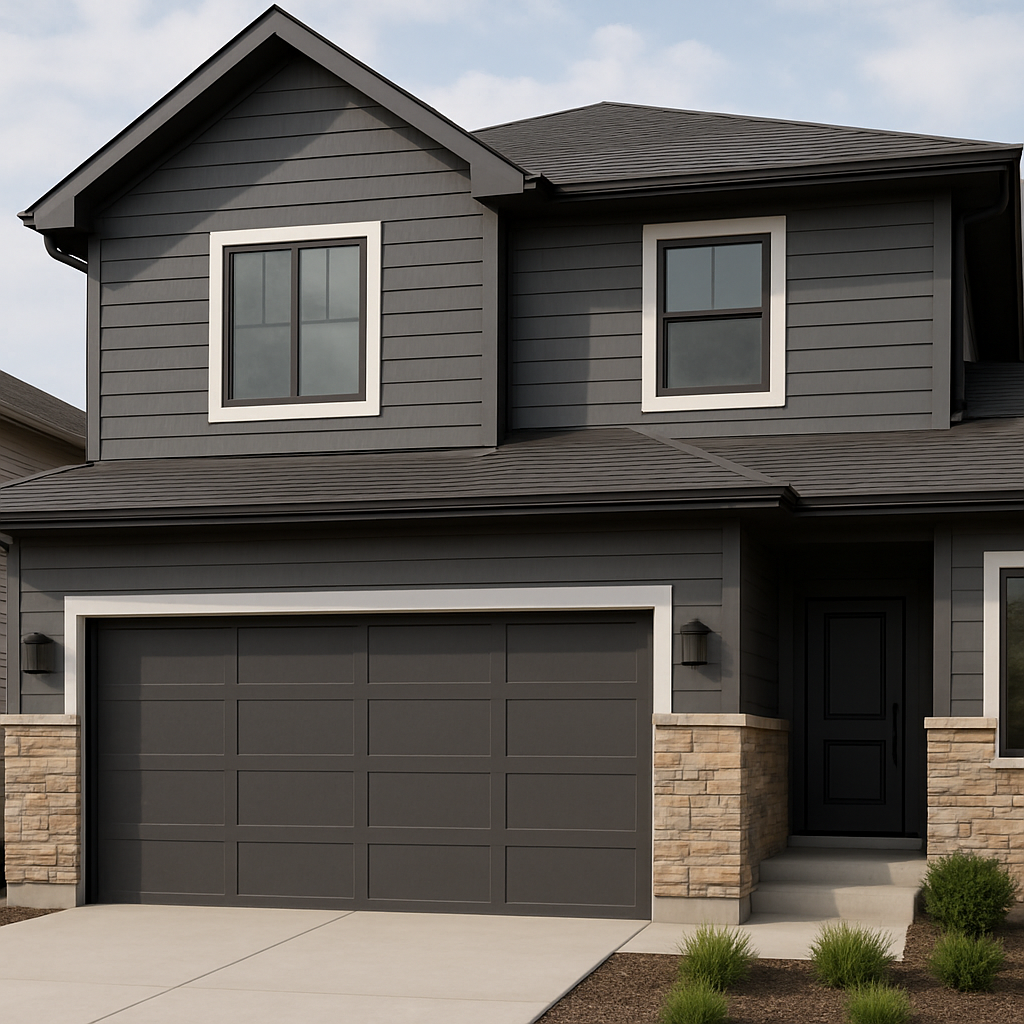
For homeowners in the Southeast or coastal regions, finding the best siding for humid climates is a top priority. High humidity can cause traditional wood siding to swell, peel, and succumb to mold.
When looking at alternatives, it helps to compare fiber cement vs vinyl performance.
Vinyl Siding: While cheap and water-resistant, vinyl is a petroleum-based plastic that is difficult to recycle. It can also warp in extreme heat and become brittle in extreme cold.
Fiber Cement: Made from a simple, sustainable mixture of wood pulp, cement, sand, and water, fiber cement is incredibly durable. It mimics the look of real wood but will not rot, warp, or attract pests, making it the clear winner for eco-conscious and longevity-focused homeowners.
Prioritizing Safety
As climate change increases the frequency of dry spells, utilizing fire-rated exterior cladding materials is becoming a strict building code requirement in many regions, particularly the American West. Fiber cement, brick, and stone veneer are all excellent Class-A fire-rated options that add a layer of protection to your outdoor structures, giving you peace of mind while keeping your family safe.
Hardscaping with Purpose: Walls and Driveways
Your landscaping does more than just look pretty; it controls erosion, manages water runoff, and defines your property’s usable space. The landscape materials you choose should work in harmony with the natural environment.
Retaining Walls
If your property is sloped, retaining walls are essential for preventing soil erosion. Choosing natural stone for retaining walls—such as locally sourced fieldstone, limestone, or granite—is one of the most eco-friendly decisions you can make. Because they require very little processing or manufacturing energy, they are premier natural building materials. They also age beautifully, gathering moss and blending seamlessly into the landscape rather than looking like a stark, artificial intrusion.
Driveways and Walkways
Traditional asphalt and solid concrete driveways create impermeable surfaces. When it rains, water rushes over these surfaces, picking up motor oil, fertilizers, and debris before dumping them directly into local storm drains and waterways.
To combat this, modern eco-landscapers highly recommend installing permeable pavers for driveway drainage. These specialized interlocking pavers are designed with gaps between them, filled with small, porous aggregates. This system allows rainwater to filter naturally through the surface and slowly seep back into the groundwater table. Not only does this reduce the burden on municipal sewer systems, but it also helps prevent puddles and icy patches on your driveway during the winter.
Covering It Up: Sustainable Roofing and Shade
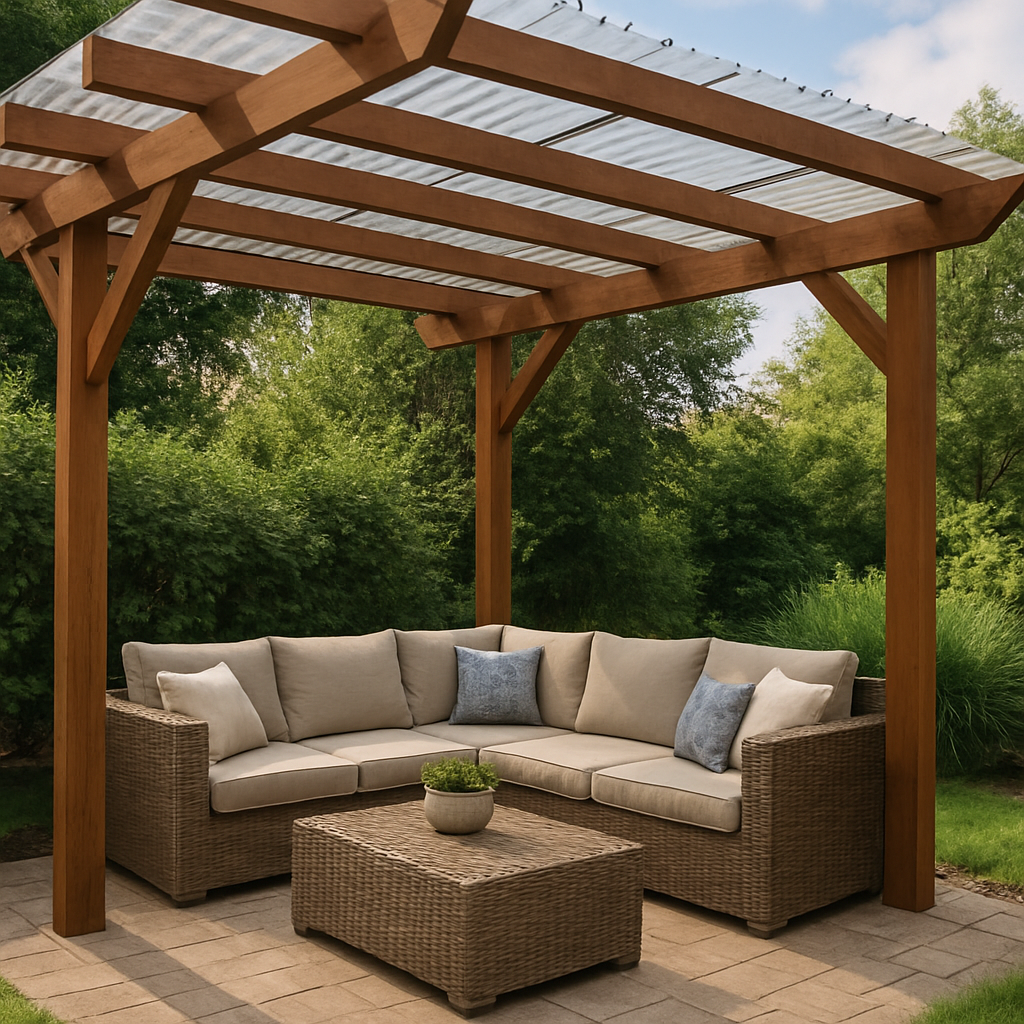
Finally, no outdoor oasis is complete without a bit of shade. Whether you are building a pergola, a garden shed, or a covered patio, the roof material needs to be tough.
Instead of traditional asphalt shingles, which are notoriously difficult to recycle and absorb massive amounts of heat, consider eco-friendly alternatives. Metal roofing is highly recyclable and reflects solar heat, keeping your outdoor space cooler. If you want to let natural light in while keeping the rain out, using UV resistant roofing sheets made from recycled polycarbonate is an excellent choice. These panels provide durable protection from harsh weather while blocking harmful ultraviolet rays, ensuring your outdoor furniture and decking below do not fade in the sun.
Conclusion
Creating a sustainable outdoor living space is a rewarding investment that pays dividends for your home’s value, your wallet, and the planet. By consciously selecting high-quality outdoor building materials, you ensure that your backyard retreat will stand the test of time.
From managing water runoff with permeable pavers to investing in thermally modified timber that naturally resists pests and rot, every choice you make contributes to a healthier ecosystem. The next time you plan a backyard renovation, look beyond the immediate aesthetics. Embrace durable, eco-friendly materials, and build an outdoor sanctuary that you can be truly proud of for generations to come.
Newsletter Updates
Enter your email address below and subscribe to our newsletter