Before You Go — Get BRAND BOA Updates Top Products, Shed Plans & Estimating Tips
Join homeowners, DIY builders & contractors
Subscribe to receive construction product recommendations, shed plan updates, BOQ tips, and useful buying guides for tools, materials, finishes, and building essentials. We’ll help you discover selected products from trusted USA suppliers and share practical ideas to plan, price, and build smarter.
In the high-stakes world of commercial and residential development, cutting corners is never an option. A single oversight can lead to skyrocketing costs, delayed schedules, compromised safety, or even catastrophic failure. This is why having a robust, comprehensive quality control checklist for building construction is not just a recommendation—it is an absolute necessity.
Whether you are breaking ground on a massive commercial complex or managing a bespoke residential build, maintaining rigorous standards at every phase ensures the final structure is safe, durable, and fully compliant. Let us dive into the ultimate blueprint for executing flawless projects from the ground up.
Understanding the Foundation of Quality
Before digging into the specific phases of your project checklist, it is crucial to understand the overarching framework of quality management. Many professionals use the terms interchangeably, but distinguishing between QA vs QC in construction management will transform how you approach your builds.
Quality Assurance (QA): This is proactive. It involves the processes, training, and planning set up before work begins to ensure that defects do not happen. It is the “recipe” for success.
Quality Control (QC): This is reactive and verifiable. It encompasses the physical checks, testing, and inspections done on-site to ensure the work meets the QA standards. It is “tasting the meal” to ensure it was cooked right.
By combining both, you create a holistic construction quality control system that safeguards your reputation and your clients’ investments.
Pre-Construction: Planning and Approvals
Quality starts long before the first shovel hits the dirt. The pre-construction phase sets the baseline for what is acceptable on your site.
Material Selection and Vetting
Using subpar materials is a guaranteed recipe for future failure. Establishing a strict material submittal approval workflow ensures that architects, engineers, and builders all agree on the specifications before any purchases are made.
Actionable Tip: Always cross-reference proposed supplies with current building material compliance standards (such as ASTM or ISO certifications). Require product data, shop drawings, and physical samples before greenlighting a bulk order.
Clarifying Site Roles
A successful build requires a clear chain of command. Documenting the specific site manager field inspection duties guarantees that daily walkthroughs, safety audits, and material checks are never accidentally skipped because someone assumed “the other guy was doing it.”
Phase 1: Site Prep and Foundation Work
The structural integrity of any building relies entirely on its foundation. If this phase is flawed, everything built on top of it will be compromised.
Footings and Excavation
Before any concrete is poured, inspectors must verify the excavation. Adhering strictly to foundation footing depth criteria is critical. Footings must reach beneath the local frost line to prevent frost heave and must sit on undisturbed, properly compacted soil capable of bearing the structural load.
Concrete Pouring and Curing
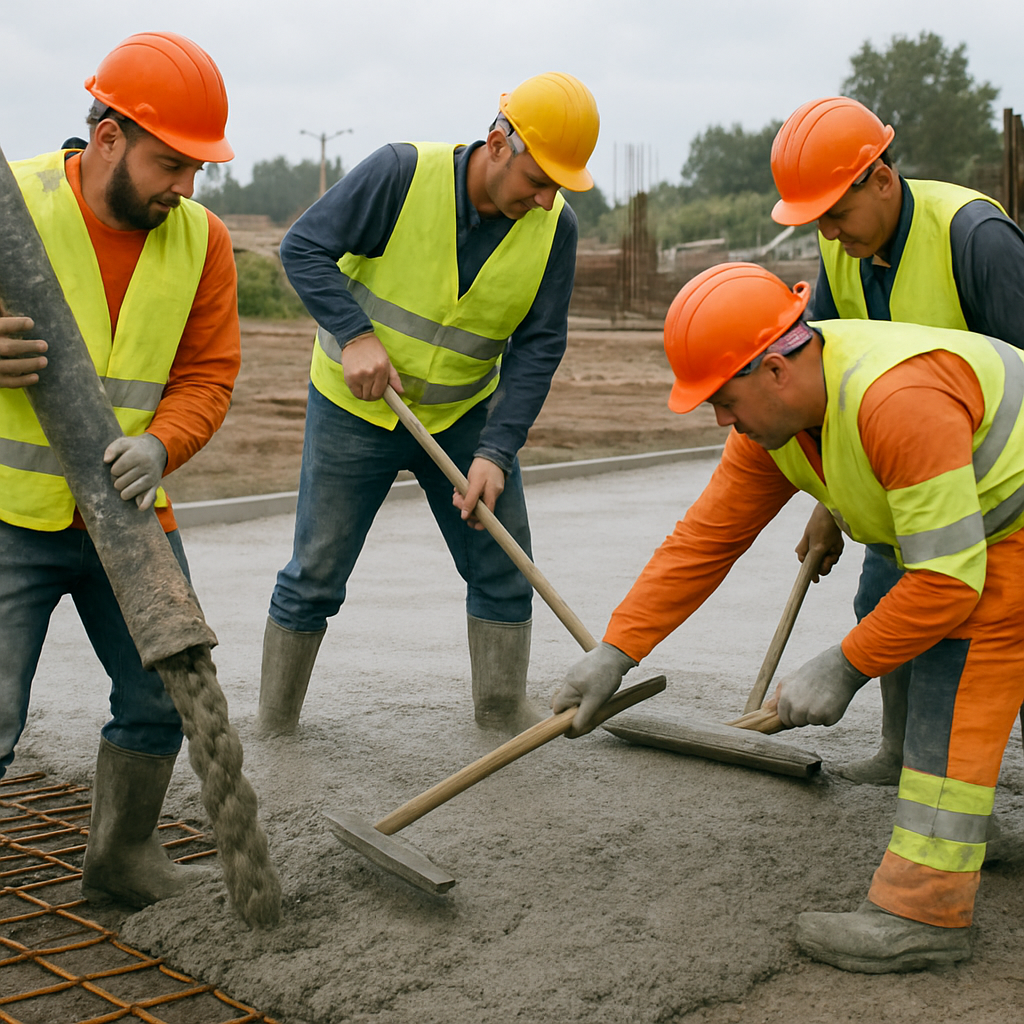
Concrete work requires absolute precision. Implementing strict concrete pouring verification steps will save you from cracking and structural weakness later.
Rebar Inspection: Ensure rebar sizing, spacing, and concrete coverage align with engineering plans.
Slump Testing: Test the concrete batch for proper consistency before pouring.
Vibration and Curing: Consolidate the concrete to remove air pockets, and monitor the curing process (temperature and moisture retention) over the first 7 to 28 days.
Phase 2: Superstructure and Framing
Once the foundation is cured, the skeleton of the building goes up. This phase is heavily scrutinized during a formal building inspection.
Framing and Structural Integrity
Your construction checklist must mandate thorough reviews of the structural framing. Familiarize your team with structural integrity inspection requirements, which include checking load paths, shear wall nailing patterns, and the installation of steel connections or joist hangers.
During these checks, site managers should be hyper-vigilant in identifying structural building code violations. Common issues include over-bored studs, improper fastening, or unauthorized alterations to engineered trusses. Catching these early prevents costly tear-downs.
The Building Envelope
Protecting the interior from the elements is the next critical step. This involves roofing, windows, and waterproofing.
Roofing: Establish clear roofing installation workmanship standards. This means verifying proper underlayment overlap, correct flashing around penetrations (like chimneys and vents), and ensuring shingles or panels are secured according to manufacturer wind-speed ratings.
Waterproofing: Moisture is a building’s worst enemy. Employ recognized moisture barrier testing methods—such as visual inspections of house wrap taping, or even specialized smoke/water infiltration tests for commercial facades—to ensure the building envelope is completely watertight.
Phase 3: MEP (Mechanical, Electrical, and Plumbing)
Often referred to as the “rough-in” phase, installing MEP systems requires specialized oversight. These systems are hidden behind walls, meaning any hidden defect can lead to massive post-completion liabilities.
Electrical Systems
Electrical errors are extreme fire hazards. Before drywall goes up, conduct a comprehensive electrical wiring safety audit.
Verify that wire gauges match the breaker sizes.
Check for proper grounding and bonding throughout the system.
Ensure all junction boxes are accessible and that wiring is protected from nail punctures via protective metal plates.
Plumbing Systems
A tiny pipe leak can cause devastating mold and structural rot over time. Never skip plumbing system pressure testing.
Actionable Tip: Cap the water supply lines and pressurize them with air or water to the code-required PSI. Leave the pressure gauge on for at least 15 to 24 hours. If the pressure drops, you have a leak that must be found and fixed before the walls are closed.
Phase 4: Interior Finishes and Polishing
While structural elements keep the building standing, the finishes are what the client will actually see and interact with every day. Quality control here is about aesthetics, functionality, and precision.
Insulation and Drywall
Before boarding up the walls, verify that insulation R-values meet energy efficiency codes and that there are no gaps or compressed batts. For drywall, check for proper screw spacing, smooth taping, and flawless mudding. A simple flashlight shone parallel to the wall will highlight any imperfections in the finish before painting begins.
Flooring, Cabinetry, and Paint
Inspect floor leveling before laying tile or hardwood. Ensure cabinetry is plumb and securely anchored to blocking. Finally, check that paint coverage is even, with no drips, flashing, or missed cut-ins.
Proactive Strategies: Defect Prevention
At this point, you might be wondering how to prevent construction defects entirely rather than just catching them. The secret lies in a culture of continuous quality management.
Hold Pre-Task Meetings: Before a new trade begins work (e.g., before the tile layers arrive), hold a quick meeting to review the specific standards expected for that task.
Use Sub-Checklists: Break down your master checklist into daily, bite-sized tasks for supervisors.
Document Everything: Take photos of everything before it is covered up. If a question arises later about a pipe behind a wall, a dated photo is your best defense.
Phase 5: Post-Construction and Final Handover
The finish line is in sight, but the job is not done until the client is fully satisfied and the keys are handed over.
The Punch List
As the project nears completion, the site manager should conduct a highly detailed walkthrough to identify minor aesthetic or functional defects. If you are building a home, utilizing a standardized residential construction snag list template can streamline this process. Look for things like scratched windows, doors that stick, missing hardware, or uncaulked baseboards. Do not rely on memory; log every single item, assign it to a contractor, and require sign-off once fixed.
The Handover Process
A seamless transition from builder to owner is the hallmark of professionalism. A structured final project handover guide should include:
Final Occupancy Permits: Proof that the local municipality has passed all final life-safety and structural checks.
Warranties and Manuals: A compiled binder (or digital file) containing all manufacturer warranties, MEP operation manuals, and maintenance schedules.
As-Built Drawings: Updated blueprints that reflect any changes made during the construction process.
Client Walkthrough: A final tour with the client to explain how their new building operates and to ensure all items on the snag list have been rectified.
Conclusion
Building a structure that stands the test of time requires much more than just raw materials and labor; it demands a relentless commitment to excellence. By utilizing a highly detailed quality control checklist for building construction, you take the guesswork out of the building process.
From verifying footing depths to conducting pressure tests and executing a flawless handover, every step matters. When you treat your project checklist not as a burdensome administrative task, but as the ultimate tool for success, you elevate your work above the competition. Implement these rigorous standards today, and ensure that every project you deliver is a benchmark of safety, durability, and exceptional quality.
Newsletter Updates
Enter your email address below and subscribe to our newsletter