Before You Go — Get BRAND BOA Updates Top Products, Shed Plans & Estimating Tips
Join homeowners, DIY builders & contractors
Subscribe to receive construction product recommendations, shed plan updates, BOQ tips, and useful buying guides for tools, materials, finishes, and building essentials. We’ll help you discover selected products from trusted USA suppliers and share practical ideas to plan, price, and build smarter.
The construction industry is notorious for its razor-thin margins, rigid timelines, and high stakes. Whether you are building a commercial high-rise, a residential complex, or a sprawling infrastructure project, there is absolutely no room for error. A single overlooked defect can lead to costly delays, safety hazards, and severe reputational damage. To navigate these challenges, forward-thinking contractors and project managers are abandoning outdated paper-based methods in favor of robust, digital solutions.
At the forefront of this digital revolution is construction quality control software. By bridging the gap between the field and the office, these platforms empower teams to build better, faster, and safer.
In this comprehensive guide, we will explore the transformative benefits of digitizing your quality processes, how modern software prevents costly mistakes, and the best practices for adopting a digital-first approach on your job sites.
The Evolution of Quality Management in Construction
For decades, construction quality relied heavily on physical paperwork. Site managers walked the site with clipboards, taking notes, snapping photos on digital cameras, and later spending hours in the trailer transcribing data into spreadsheets.
When comparing manual inspections vs digital quality management, the flaws of the traditional approach become glaringly obvious. Paper forms get lost, handwriting is illegible, and communication delays mean that a defect spotted on Monday might not be reported to the subcontractor until Friday. By then, subsequent work may have already covered up the error.
The introduction of a formalized quality management system in construction industry standards changed how companies approached these workflows. However, it wasn’t until the rise of mobile technology that a true QMS in construction industry could be fully realized in the field. Today, digital tools provide a single source of truth, ensuring that every stakeholder—from the architect to the specialty trades—is aligned on quality expectations.
Key Benefits of Construction Quality Control Software
Investing in a dedicated quality management system for construction company operations offers a massive return on investment. Here is how modern software directly impacts your bottom line and project success.
1. Drastically Reducing Rework and Defects
Rework is the silent killer of construction profitability. It wastes materials, burns through labor hours, and throws project schedules off track. If you are wondering how to reduce construction rework, the answer lies in early detection and standardized processes.
By utilizing an automated defect tracking system, teams can log issues the moment they are discovered. The software instantly notifies the responsible party, ensuring the defect is rectified before the next phase of construction begins. This immediate feedback loop is critical for preventing structural non-conformance reports (NCRs), which can halt a project entirely until structural integrity is verified.
2. Streamlining Inspections and Site Audits
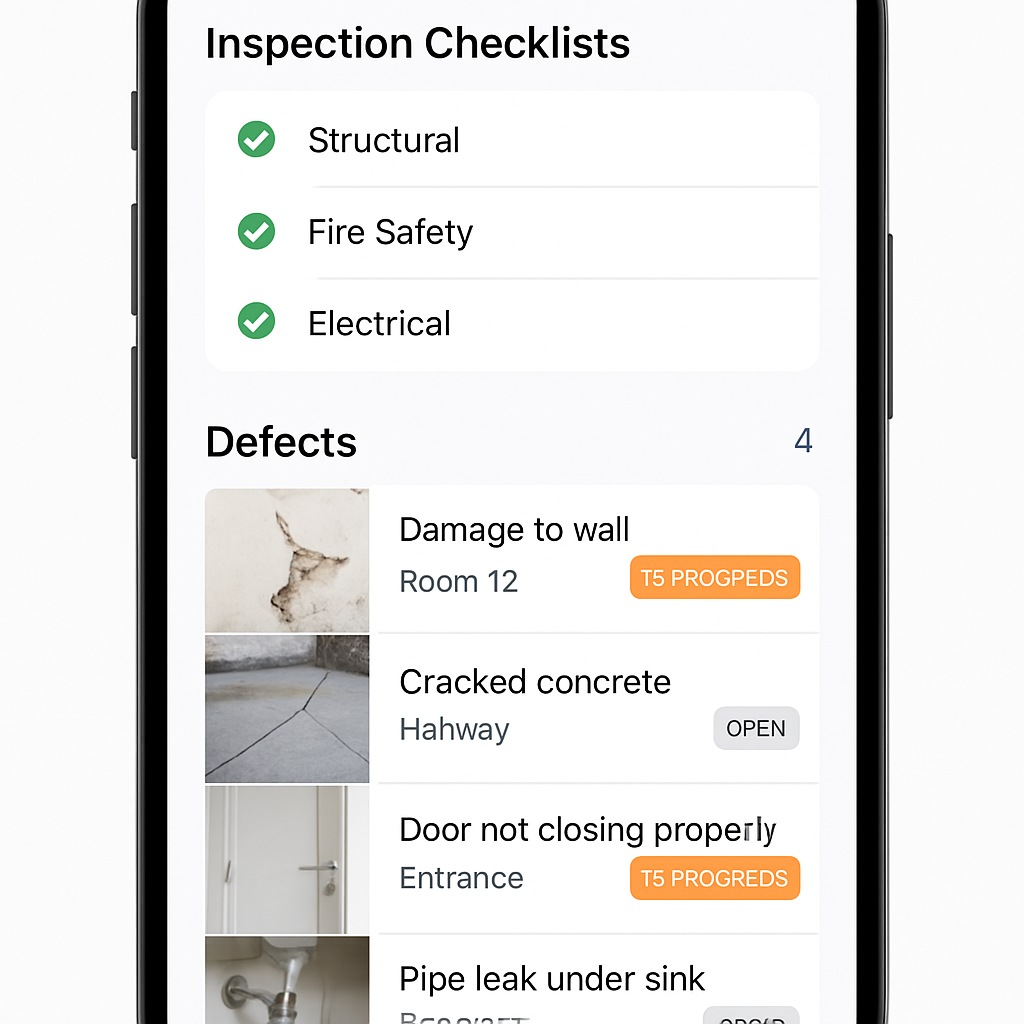
Site inspections no longer have to be a tedious chore. Modern quality construction software replaces cumbersome binders with digital construction inspection checklists accessible via smartphones and tablets.
Standardization: Create customized templates for every phase of the project, from concrete pouring to final electrical rough-ins.
Photo Documentation: Field workers can snap photos, mark them up, and attach them directly to the checklist item.
Subcontractor Accountability: Equipping your teams with the best mobile auditing tools for subcontractors ensures that trades self-perform their quality checks before handing the work over to the general contractor.
3. Effortless Punch List Resolution
As a project nears completion, the dreaded punch list (or snag list) often causes the most friction. Disorganized punch lists lead to finger-pointing and delayed payments.
With dedicated construction qa software, punch list management for site managers becomes a breeze. Managers can drop a pin on a digital floor plan, attach a photo of the issue, assign it to a specific trade, and set a deadline. Subcontractors receive an alert, fix the issue, and upload a photo of the completed work for approval—all without a single phone call or email.
4. Ensuring Real-Time Compliance and Reporting
Navigating local building codes and industry regulations requires meticulous record-keeping. Project managers are constantly faced with the question: what are construction quality assurance standards, and how do we prove we are meeting them?
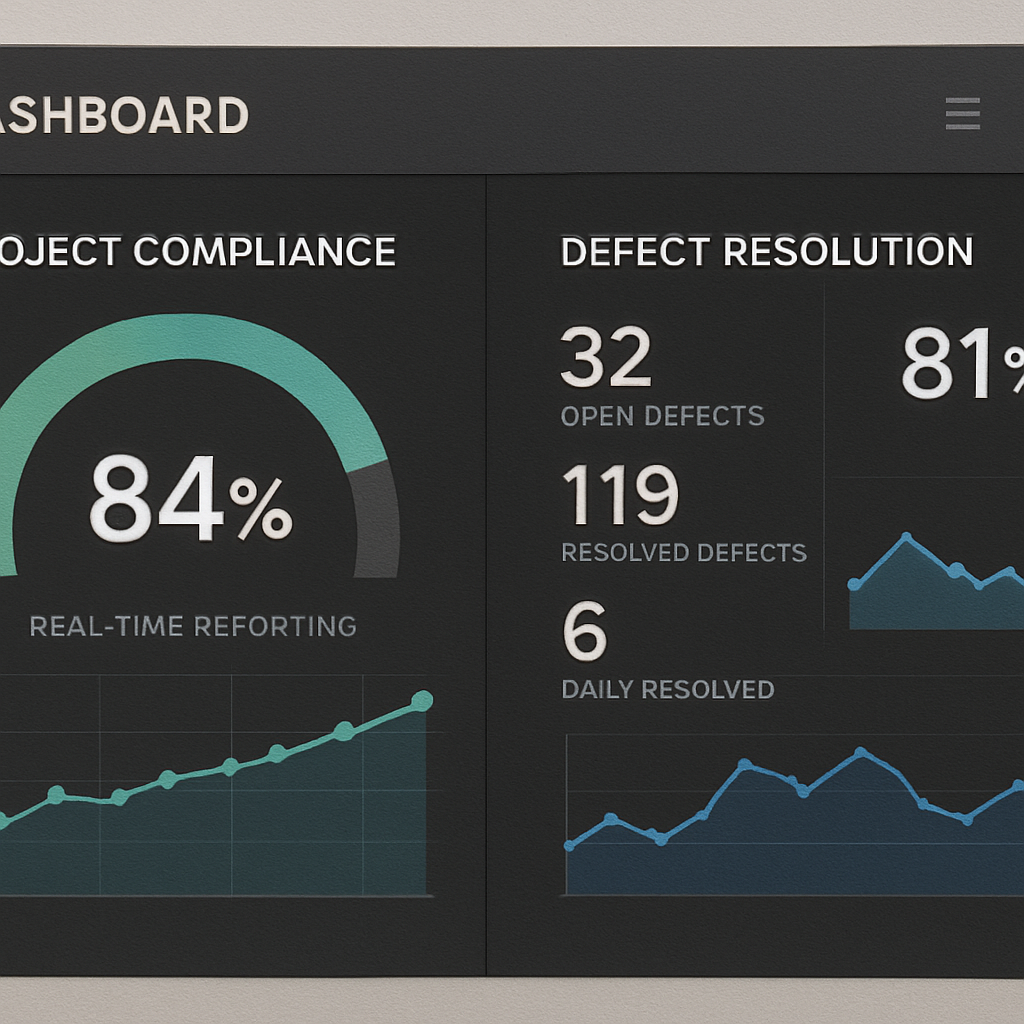
Construction quality management software answers this by providing real-time project compliance reporting. Instead of waiting until the end of the month to compile QA/QC data, executives and project managers can view live dashboards. This visibility is incredibly valuable for streamlining building code compliance workflows, allowing inspectors to review digital audit trails and approve phases of work faster.
5. Fostering Better Collaboration Between the Field and Office
Miscommunication is often the root cause of quality failures. By deploying field productivity and documentation tools, you ensure that the office and the job site are always looking at the exact same data.
For instance, when a design change occurs, the latest drawings are instantly pushed to the field teams’ mobile devices. There is no risk of a subcontractor building off an outdated set of plans, which is one of the most common causes of easily avoidable errors.
Core Features to Look for in Modern QA/QC Software
Not all software is created equal. When evaluating a new cloud-based construction safety and quality platform, ensure it possesses the following advanced capabilities:
Advanced Integrations and BIM Functionality
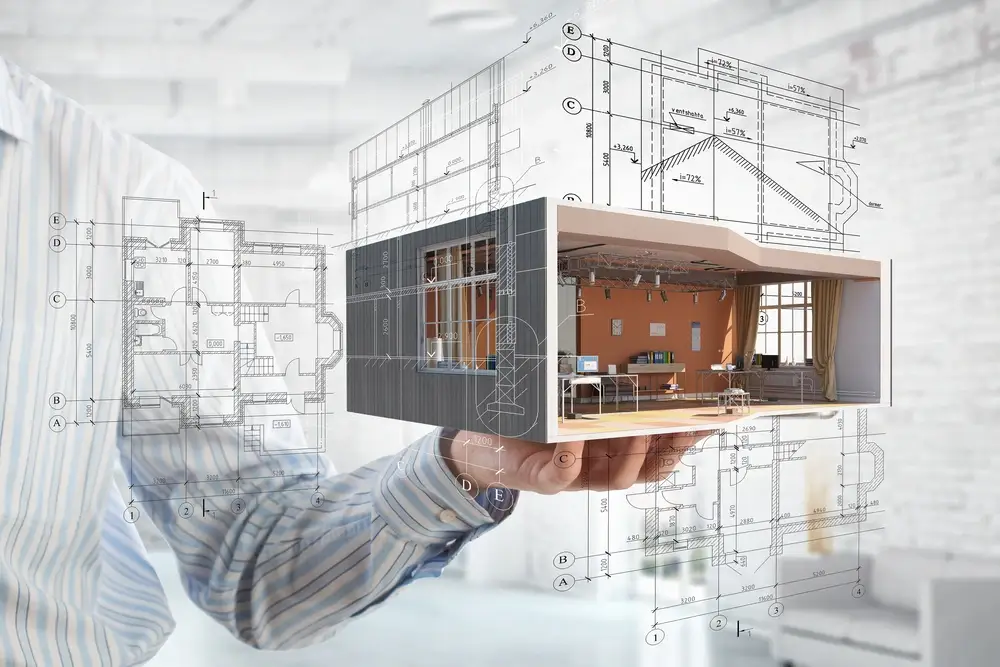
The future of construction lies in Building Information Modeling (BIM). Today’s elite platforms offer the capability of integrating BIM with field inspection data. This means inspectors can walk the site, pull up a 3D model on their tablet, and compare the physical installation directly against the spatial model. This visual context drastically improves accuracy, especially for complex MEP (Mechanical, Electrical, and Plumbing) installations.
Offline Capabilities
Construction sites, especially those in deep basements or remote infrastructure locations, often lack reliable Wi-Fi or cellular service. Your construction quality control software must function seamlessly offline. Field workers should be able to complete checklists and log defects, with the system automatically syncing the data once a connection is re-established.
Comprehensive Analytics and Predictive Insights
A strong platform doesn’t just record data; it analyzes it. By tracking which subcontractors consistently fail certain inspections or which materials frequently cause issues, project managers can engage in proactive risk mitigation in infrastructure projects and commercial builds alike. Catching a trend early allows you to provide targeted training before a small habit becomes a massive liability.
Best Practices for Implementing Quality Management Software
Buying the software is only the first step. The true value is unlocked through effective adoption and cultural buy-in from your workforce. Here are actionable tips for rolling out your new digital tools.
1. Develop a Clear Strategy
Before introducing new tech to the field, spend time implementing a site quality management plan. Define your goals: Are you trying to reduce punch list completion time by 20%? Do you want to eliminate paper forms entirely within three months? Having clear KPIs will help you measure the success of the software.
2. Start Small and Scale Up
Do not overwhelm your team by digitizing every single process on day one. Choose a pilot project or a specific workflow—such as concrete pre-pour inspections or final drywall sign-offs—and test the construction quality control software there. Gather feedback from the field supervisors, tweak the digital forms to match their real-world needs, and then roll the system out company-wide.
3. Prioritize Training and Support
Construction professionals are builders, not IT experts. The software you choose must have an intuitive, user-friendly interface. Host hands-on training sessions and focus on the “What’s In It For Me?” aspect. Show site managers how the software will save them two hours of administrative work every afternoon. Once the field team realizes the technology makes their lives easier, adoption rates will skyrocket.
4. Foster a Culture of Quality
Technology alone cannot build a great building. Use the software to foster a collaborative, rather than punitive, culture. When an automated defect tracking system highlights a recurring issue, use it as an opportunity to educate and improve processes, rather than just pointing fingers.
The ROI of Digitizing Construction Quality
The initial cost of software licenses and training is easily offset by the savings generated over a single project lifecycle. Consider the financial impact of avoiding just one major structural tear-down, or the labor costs saved by cutting punch list resolution time in half. Furthermore, maintaining a pristine quality record helps contractors win repeat business, lower their insurance premiums, and protect themselves from post-project litigation.
When every inspection, photo, and sign-off is securely stored in the cloud, you possess a bulletproof, searchable digital archive of the entire build. If a warranty claim arises years down the line, you can instantly pull up the exact documentation to prove the work was done to spec.
Conclusion
The construction landscape is evolving rapidly, and the margin for error is shrinking. Relying on paper checklists, memory, and fragmented communication is no longer viable for companies that want to remain competitive.
By embracing modern construction quality control software, you are doing much more than just going paperless. You are establishing a proactive, data-driven environment that prioritizes excellence at every stage of the build. From equipping your trades with the right mobile auditing tools to providing executives with real-time compliance dashboards, digital quality management is the ultimate catalyst for operational excellence.
Invest in the right technology today, standardize your workflows, and watch as your projects consistently finish on time, on budget, and built to the highest p
Newsletter Updates
Enter your email address below and subscribe to our newsletter