Before You Go — Get BRAND BOA Updates Top Products, Shed Plans & Estimating Tips
Join homeowners, DIY builders & contractors
Subscribe to receive construction product recommendations, shed plan updates, BOQ tips, and useful buying guides for tools, materials, finishes, and building essentials. We’ll help you discover selected products from trusted USA suppliers and share practical ideas to plan, price, and build smarter.
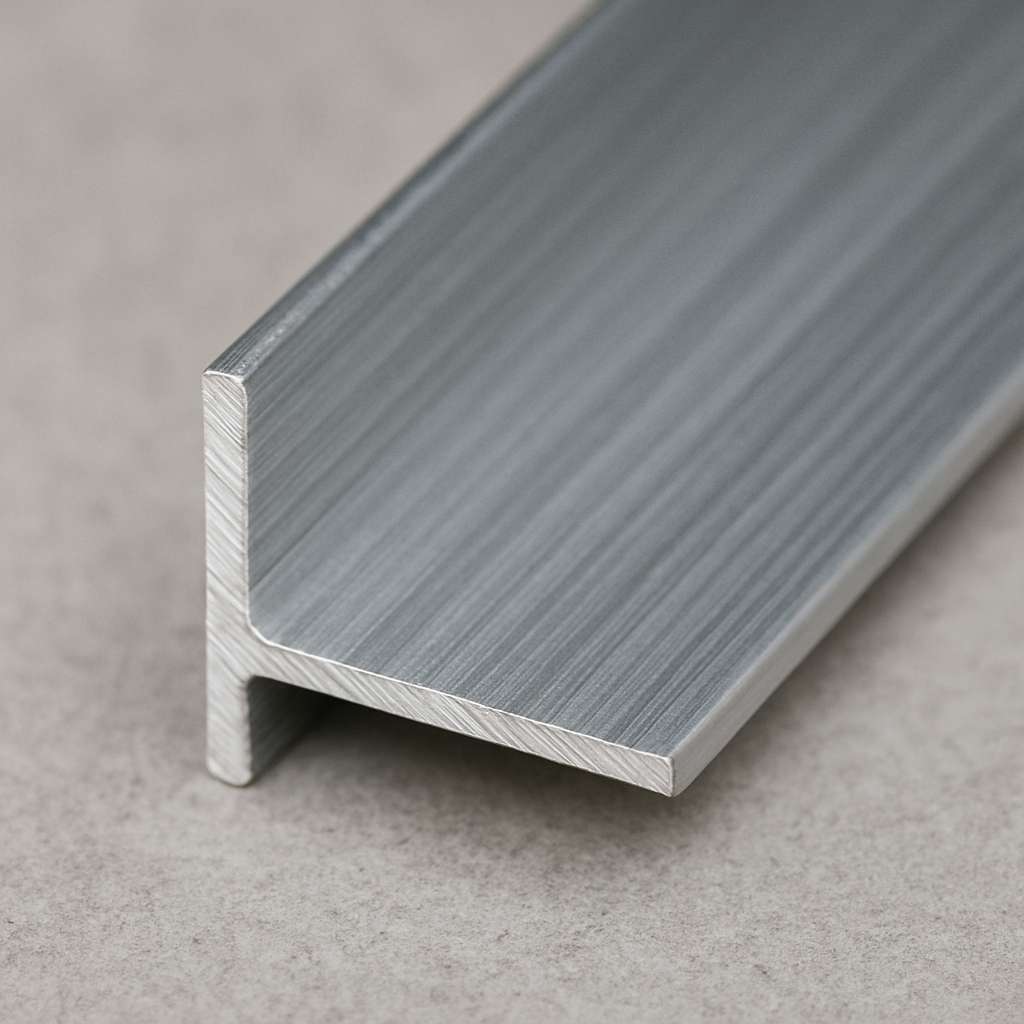
Whether you are finalizing a commercial renovation or updating a residential bathroom, the difference between an amateur job and a professional masterpiece often comes down to the finishing details. While tiles, flooring, and wall panels cover the bulk of your space, the edges where these materials meet—or end—require special attention. This is exactly where aluminum edge trim steps in as a game-changer.
Designed to seamlessly bridge gaps, cover rough cuts, and protect fragile materials, high-quality metal trims are an indispensable element in modern construction and interior design. In this comprehensive guide, we will explore the myriad advantages of incorporating aluminum trim into your next project, from structural durability to aesthetic brilliance.
The Functional Superiority of Metal Trims
When designing a space, the edges of materials are inherently the most vulnerable points. Without proper finishing, raw edges are susceptible to moisture damage, cracking, and general wear and tear. Incorporating aluminum edge trim molding provides a robust barrier against these threats.
Unmatched Durability and Edge Protection
One of the primary benefits of using this material is preventing tile edge chipping. Ceramic and porcelain tiles are beautiful but fragile at their exposed perimeters. By framing these installations with a sturdy metal border, the aluminum absorbs impacts from dropped objects or heavy foot traffic, leaving the fragile ceramic safely tucked away.
Similarly, protecting exposed flooring corners in high-traffic areas is essential for the longevity of your interior investments. Whether you are capping off a hardwood floor where it meets a sliding glass door or finishing a drywall corner in a busy corridor, a properly installed aluminum trim takes the brunt of daily abuse.
Ideal for Moist and Corrosive Environments
Bathrooms, kitchens, and outdoor spaces demand materials that can stand up to moisture. Aluminum is naturally resistant to rust, making it the perfect foundation for corrosion resistant transition strips. When sealing areas that face frequent splashes, integrating a metal trim prevents water from seeping behind your tiles or flooring, effectively safeguarding your underlying drywall or subfloor from rot and mold.
The Science of the Material: 6063 T5 Alloy
To truly appreciate the benefits of aluminum molding, it helps to understand what goes into manufacturing it. Not all metals are created equal, and the architectural standard for these extrusions relies heavily on specific metallurgical properties.
Most premium trims are manufactured using architectural-grade aluminum. If you look closely at product specifications, you will often notice references to 6063 T5 alloy properties. This specific alloy—blended primarily with magnesium and silicon—is celebrated for its excellent extrudability, meaning it can be formed into intricate, precise shapes without losing structural integrity.
The “T5” designation refers to the tempering process. The metal is cooled from an elevated temperature shaping process and then artificially aged. This results in an incredibly lightweight yet rigid material that resists warping, cuts smoothly, and accepts surface finishes beautifully.
Aesthetic Versatility: Profiles and Finishes
Beyond mere protection, aluminum trim molding is a powerful design tool. It offers clean, contemporary lines that elevate the overall look of a room.
Choosing Your Profile Shape
Gone are the days when bulky ceramic trims were your only option. Today, aluminum profiles provide sleek, modern bullnose tile alternative options that sit flush with your surface. When selecting your trim, you will frequently decide between square edge vs round edge profiles:
Square Edge Profiles: Perfect for minimalist, contemporary designs. They offer crisp, 90-degree angles that look stunning when outlining large-format tiles, creating a distinct, sharp border.
Round Edge (Bullnose) Profiles: Ideal for softer aesthetics or areas where safety is a concern (such as a child’s bathroom). The rounded transition softens the visual break between two different materials.
For staircases, specific safety and design requirements come into play. When evaluating stair nosing profile dimensions, you must account for the thickness of your flooring material and the required drop edge to cover the stair riser. Standard nosing profiles usually feature a 1-inch to 2.5-inch tread depth with a grooved surface for anti-slip protection, effortlessly blending safety with modern style.
Selecting the Right Finish
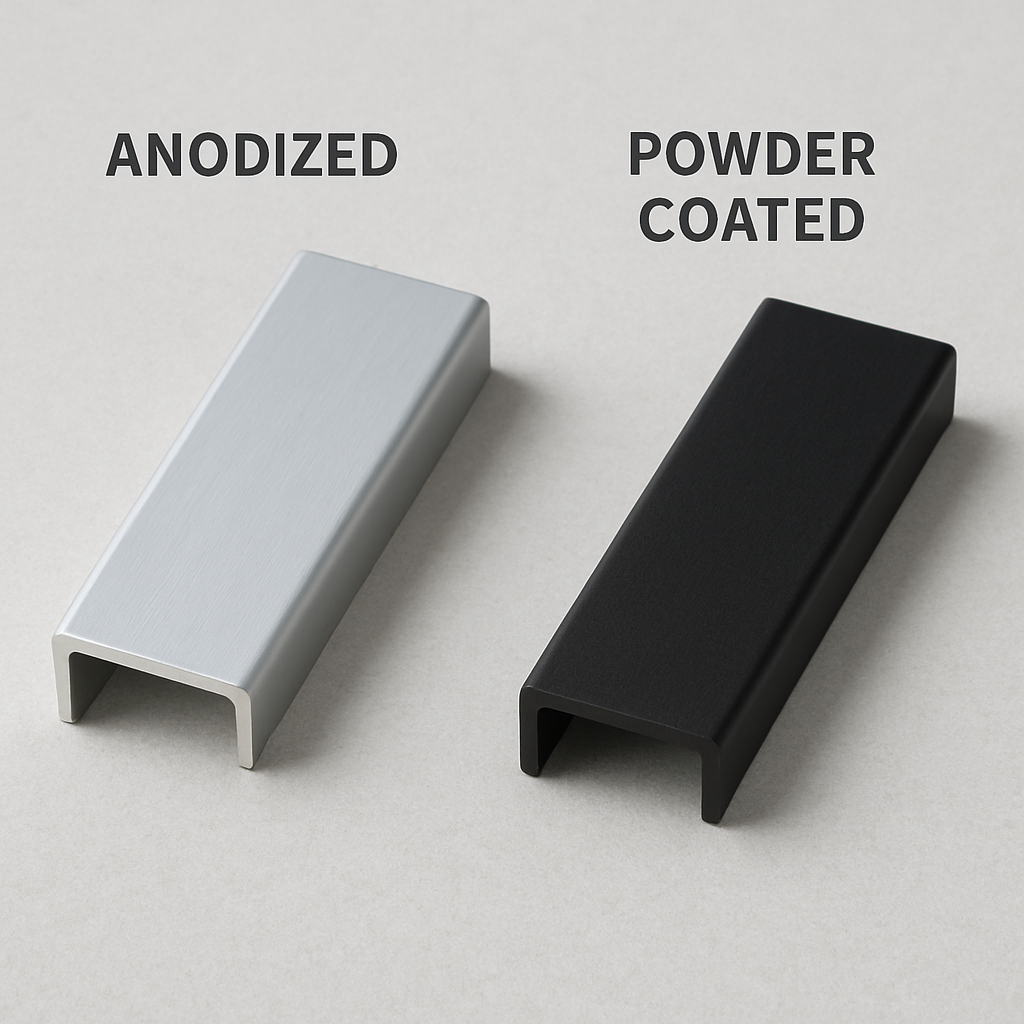
The surface treatment of your aluminum edge molding dictates not only its appearance but also its lifespan. When comparing anodized vs powder coated finishes, both offer unique advantages:
Anodized Finishes: Anodizing is an electrochemical process that thickens the natural oxide layer on the surface of aluminum parts. It is not a coating that can peel off; it is integrated into the metal itself. This results in a highly durable, metallic look (like satin nickel, brushed brass, or polished chrome) that is highly resistant to scratching.
Powder Coated Finishes: This process involves applying a dry powder and baking it into a solid, durable layer. Powder coating allows for virtually any color imaginable, making it ideal if you want a matte black, crisp white, or custom-colored trim to contrast with your tiles.
A well-planned design relies on cohesion. Because aluminum can be finished in so many ways, matching metal hardware finishes—such as aligning your trim with your shower head, faucets, or cabinet pulls—is entirely achievable, creating a flawless, custom-tailored look.
Practical Applications for Every Environment
The adaptability of aluminium edge moulding (as it is commonly spelled in international markets) means it can be utilized in almost any setting, from cozy homes to massive commercial warehouses.
Residential Upgrades
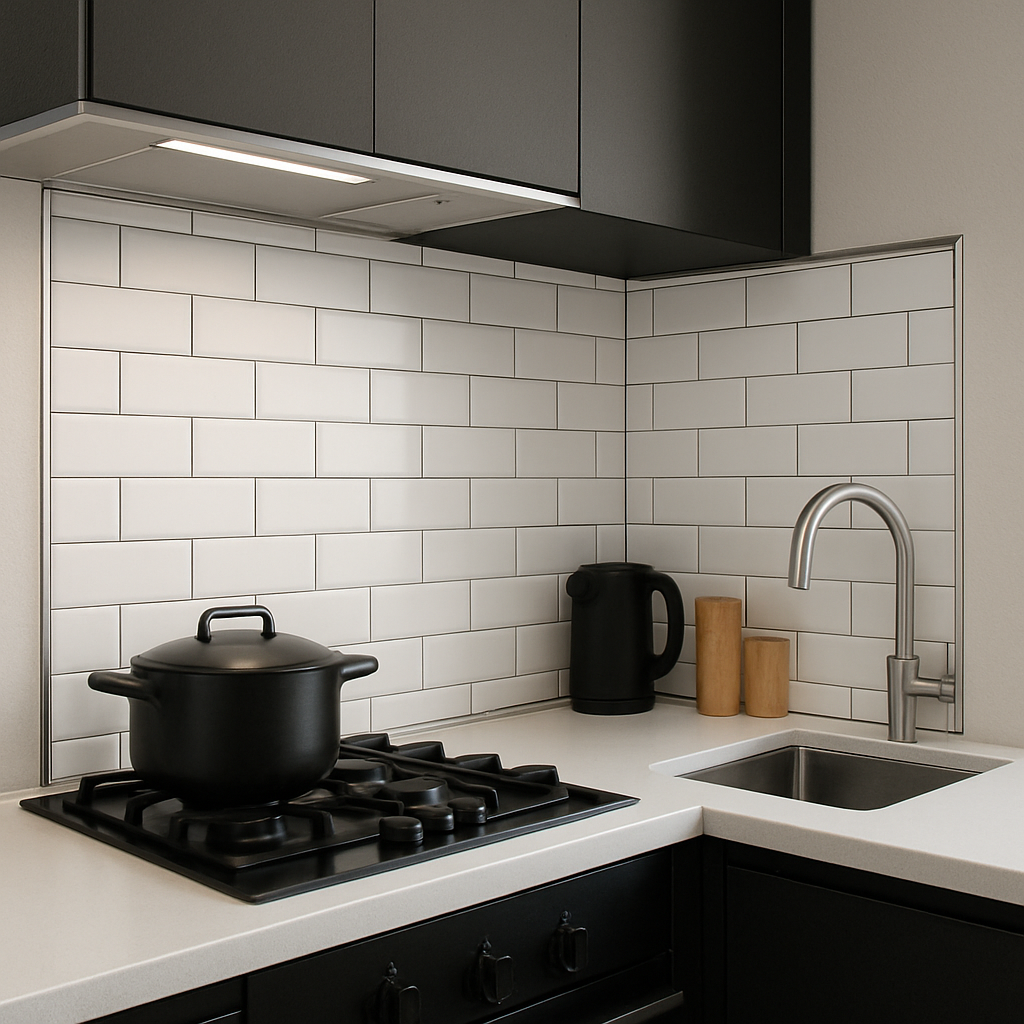
In residential kitchens, homeowners are constantly looking for waterproof backsplash border ideas. Instead of finishing a backsplash with a line of caulk that will eventually discolor and peel, an L-shaped or square aluminum trim offers a watertight, hygienic, and visually striking boundary between the tile and the painted wall.
Commercial and Industrial Durability
In commercial settings, the demands placed on flooring are substantially higher. Forklifts, heavy carts, and constant foot traffic can destroy standard flooring transitions in weeks. Utilizing aluminum for heavy duty industrial floor transitions ensures that the seam between polished concrete and commercial carpeting, for example, remains intact and trip-free for years. Its high load-bearing capacity guarantees that the edges of your expensive flooring won’t crush under pressure.
Expert Installation Guide: Tips for Success
Even the highest quality aluminum trim will fail if not installed correctly. Whether you are a seasoned contractor or a dedicated DIYer, knowing the right techniques makes all the difference.
Cutting the Material
One of the most common questions is how to cut metal extrusions cleanly. To avoid jagged edges and heat discoloration:
Use a miter saw equipped with a non-ferrous metal cutting blade (usually a high tooth count, carbide-tipped blade).
Secure the trim firmly with clamps before cutting to prevent the material from vibrating or catching.
Cut slowly and steadily.
Always use a fine metal file to deburr and smooth the freshly cut edges before installation to ensure a perfectly flush fit.
Proper Adhesion
While some profiles feature a perforated anchoring leg meant to be embedded in thin-set mortar, others require gluing. When looking for the best adhesive for metal moldings, opt for high-quality polyurethane construction adhesives. Polyurethane offers incredible bond strength, remains slightly flexible to accommodate the natural expansion and contraction of metals, and bonds securely to drywall, wood, and concrete.
Step-by-Step Tile Edging
If you are learning how to install metal tile edging, follow these core steps:
Measure and Cut: Determine the exact length required and cut your trim as detailed above.
Dry Fit: Always test the fit of the trim against your tile to ensure the profile depth matches the tile thickness perfectly.
Apply Mortar: Trowel your thin-set mortar onto the substrate where the tile will sit.
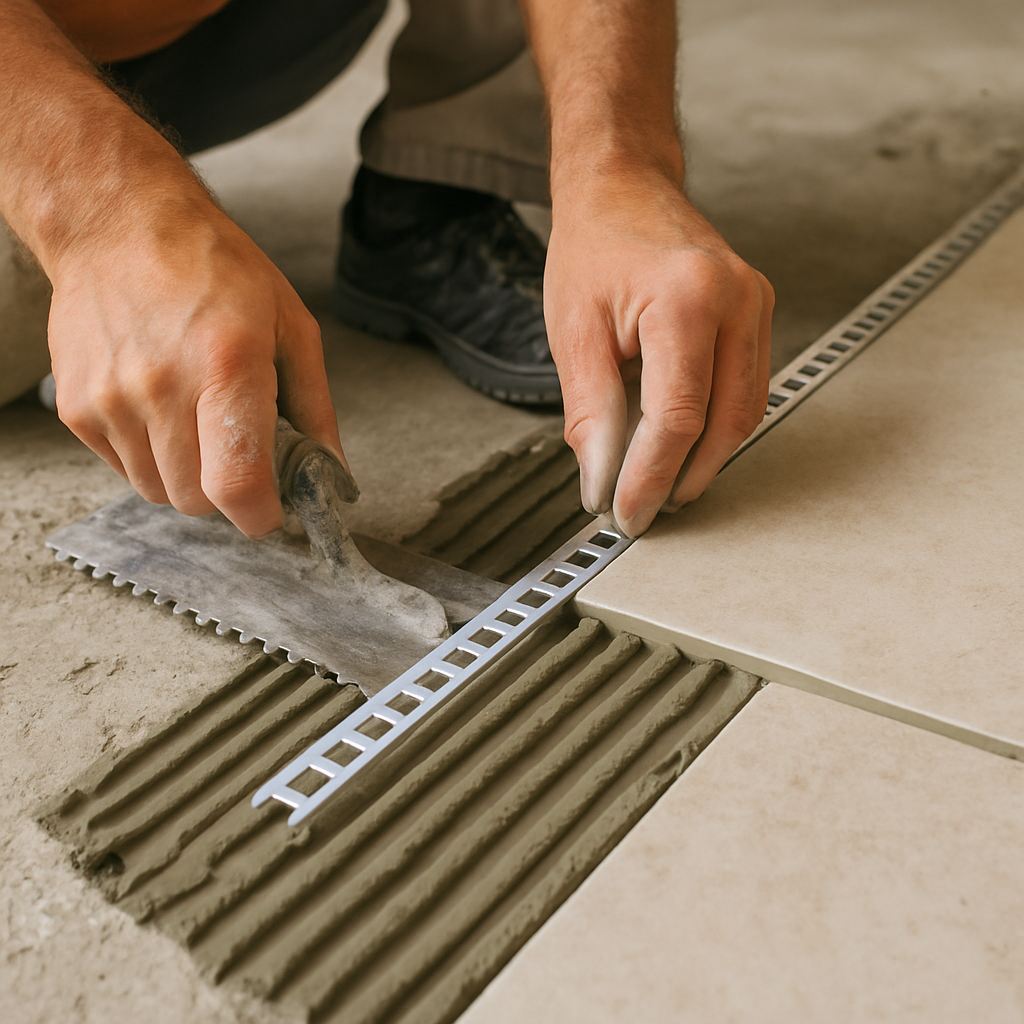
Embed the Trim: Press the perforated anchoring leg of the aluminum edge trim directly into the mortar.
Set the Tile: Trowel a little more mortar over the anchoring leg, then press your tile firmly into place so it aligns perfectly flush with the top edge of the metal profile. Ensure a small gap (usually 1/16 inch) is left between the tile and the trim for grout.
Maintenance: Keeping Your Trim Looking Brand New
One of the most appealing aspects of aluminum is its low-maintenance nature. However, a little care goes a long way in preserving its factory finish.
For indoor trims, regular cleaning with a mild, non-abrasive soap and warm water is all that is required. Avoid acidic cleaners or heavy scouring pads, as these can strip the anodized layer or scratch powder-coated surfaces.
If you are using these profiles outdoors—perhaps finishing an outdoor kitchen or framing a patio—you will need specific maintenance tips for exterior metal accents. Outdoor trims are subjected to UV rays, acid rain, and dirt buildup. It is recommended to wash exterior aluminum accents bi-annually with a pH-neutral automotive soap. Applying a light coat of automotive liquid wax to anodized finishes once a year can also provide a sacrificial barrier against environmental pollutants, keeping the metal bright and corrosion-free for decades.
Final Thoughts
The details dictate the design. By integrating high-quality aluminum edge trim into your architectural or interior design projects, you are doing much more than just covering a gap. You are investing in superior structural protection, ensuring the longevity of your surfaces, and elevating the aesthetic sophistication of your space. Whether you require robust industrial transitions or sleek, modern borders for a luxury bathroom, aluminum offers an unparalleled combinatio
Newsletter Updates
Enter your email address below and subscribe to our newsletter