Before You Go — Get BRAND BOA Updates Top Products, Shed Plans & Estimating Tips
Join homeowners, DIY builders & contractors
Subscribe to receive construction product recommendations, shed plan updates, BOQ tips, and useful buying guides for tools, materials, finishes, and building essentials. We’ll help you discover selected products from trusted USA suppliers and share practical ideas to plan, price, and build smarter.
You probably remember the click-clack of rain on your grandparents’ faded house. While aluminum siding has existed for decades, today’s version looks nothing like the flimsy metal sheds of the 1970s. Modern builders actually rely on it as a high-tech powerhouse originally designed to protect airplanes from extreme elements. Buyers often assume their only protective choices are high-maintenance wood or crack-prone vinyl, missing out on incredible longevity.
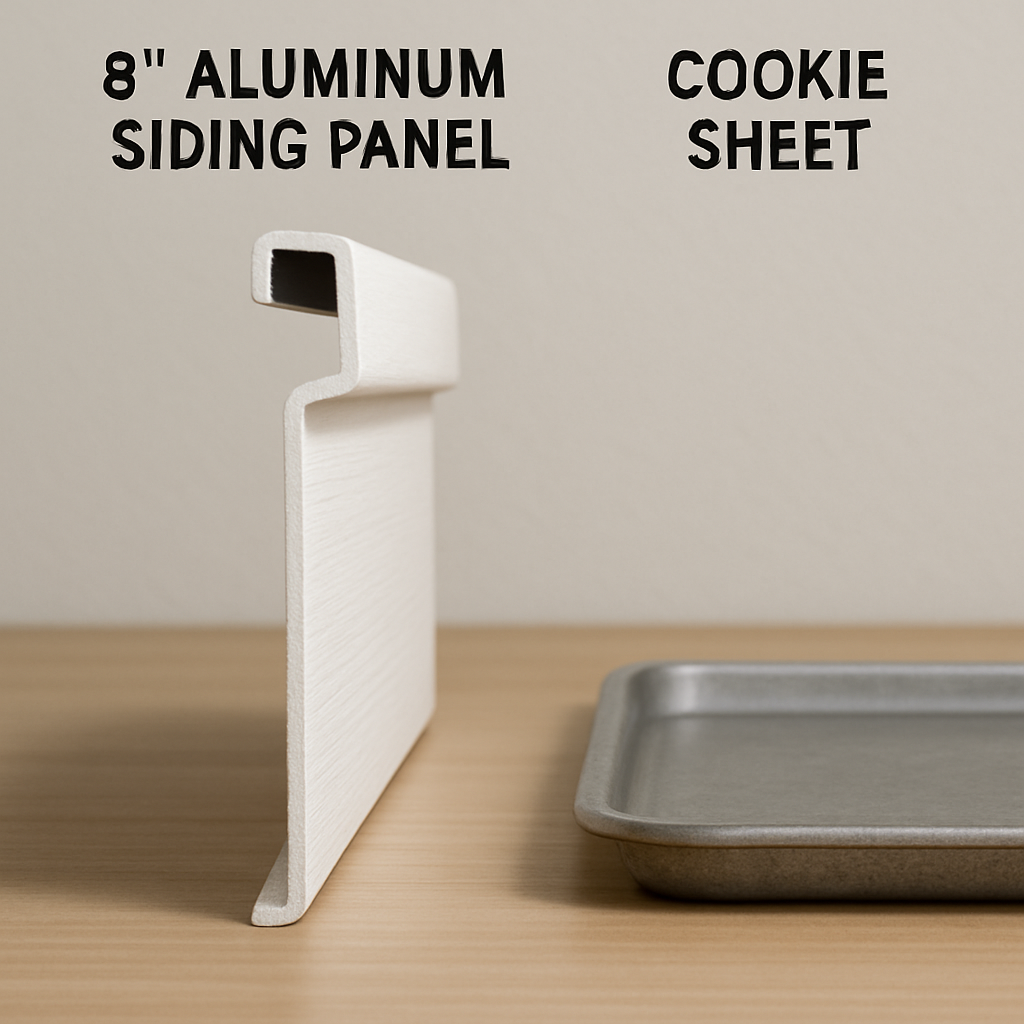
Industry data reveals that metal exteriors offer serious safety advantages, particularly fire resistance, which can actively lower your home insurance premiums. Modern aluminum house siding is manufactured in heavier gauges—think of the difference between a crushable soda can and a heavy-duty baking pan. These robust panels feature baked enamel finishes that resist harsh weather while offering remarkable sustainable exterior cladding benefits.
Securing a “set it and forget it” exterior is highly attainable once you understand the material’s physical properties. Metal naturally breathes through thermal expansion, meaning panels will slightly grow and shrink in the summer heat like a steel bridge. Installers simply leave a little wiggle room to prevent buckling, giving you a gorgeous, fireproof shield that never requires tedious scraping or repainting.
Beyond the ‘Tin Can’: Why 8-Inch Panels Beat the Elements
Modern 8-inch aluminum siding changes the classic “metal shed” aesthetic entirely. That measurement simply refers to the panel’s horizontal width, offering a wide, clean appearance that makes houses look stately. Today, you can choose a sleek, smooth finish or a realistic wood-grain texture that mimics traditional cedar.
Aesthetics won’t matter if an errant baseball leaves a permanent crater, which is why heavy gauge aluminum thickness is crucial. Gauge measures the metal’s thickness, and choosing the right level separates a flimsy exterior from a durable fortress:
Economy Grade (.019 inch): Similar to a soda can; dents easily.
Residential Standard (.024 inch): The minimum target for everyday dent resistance.
Architectural Grade (.032+ inch): Feels like a tough cookie sheet; built for extreme weather.
Upgrading to thicker aluminum siding panels ensures your home bounces back from minor accidents and hail storms alike. Beyond impact resistance, this material’s high heat tolerance during summer barbecues and its innate fire resistance provide critical safety benefits that protect your property.
Can Your Siding Survive a BBQ? Why Fire Resistance Saves Money
Pushing the grill too close to the wall often results in a melted mess. When comparing vinyl vs aluminum house cladding, heat tolerance is a major divider. Siding aluminium acts as a non-combustible cladding—meaning it simply won’t catch fire—so your backyard BBQ stays perfectly safe.
Beyond protecting your patio, this extreme heat resistance keeps your entire home secure. Aluminum earns a Class A fire rating, the industry’s highest safety classification. Unlike plastics that melt and release toxic fumes during emergencies, metal acts as a solid shield, making it one of the best fire-resistant exterior siding materials.
Upgrading to this defense can actually lower your annual homeowners insurance premiums, letting the investment quietly pay for itself over time. While surviving high heat is impressive, your home also needs protection against freezing winter weather, making the choice between aluminum, vinyl, and fiber cement crucial for long-term durability.
Aluminum vs. Vinyl vs. Fiber Cement: Choosing the Cladding That Won’t Crack
Winter weather provides a punishing test for any home exterior. When freezing temperatures hit, plastic materials often suffer from material fatigue, becoming brittle and shattering if struck by a stray snowball or errant baseball. In the battle of vinyl vs aluminum house cladding, metal holds a clear advantage because it ignores extreme cold and simply won’t snap under pressure.
Spring brings different challenges: relentless moisture and hungry bugs. If you live in a damp or heavily wooded climate, comparing a fiber cement vs aluminum exterior comes down to basic biology. While some composite materials can absorb water over time, metal offers total rot resistance. It acts as a completely pest-proof building material, leaving termites, carpenter ants, and woodpeckers hungry.
Consider how these popular choices stack up for your wallet:
Aluminum: High durability (40+ years), moderate cost, lowest maintenance (immune to pests and rot).
Vinyl: Moderate durability (20-30 years), lowest cost, low maintenance (vulnerable to freezing and cracking).
Fiber Cement: High durability, highest cost, moderate maintenance (requires periodic caulking and repainting).
Wrapping your home in aluminum siding creates a weatherproof shield that easily outlasts the alternatives. Maintaining that brand-new look over the decades simply requires basic management of oxidation and the protective enamel finish.
The Secret to 40-Year Longevity: Managing Oxidation and Enamel Finishes
Modern aluminum siding gets its vibrant color from a manufacturing process designed for baked enamel finish longevity. Factories use intense heat to fuse color directly onto the panels, creating a hardened, moisture-proof shield. Because of this high-tech bonding, you can comfortably skip the exhausting chore of scraping and repainting every few years.
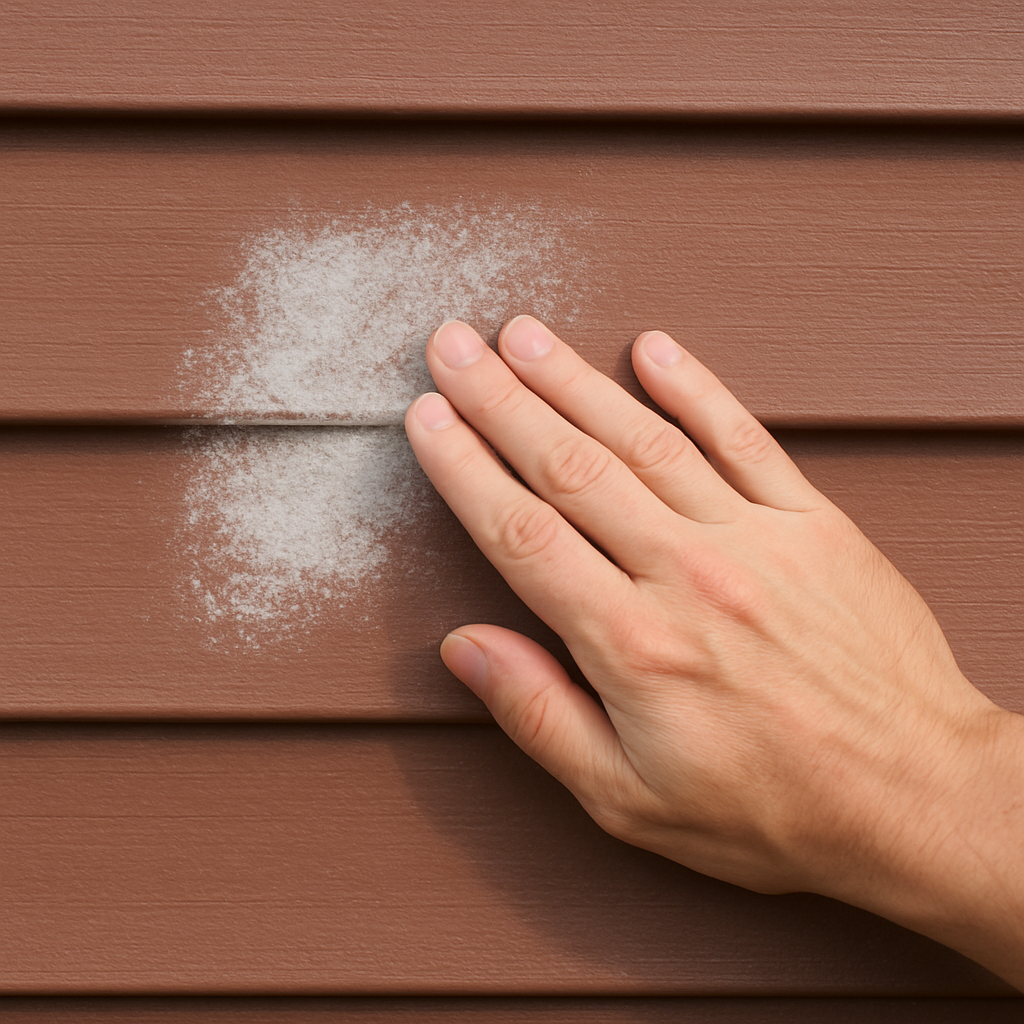
Even the toughest materials eventually show their age. Instead of rusting—which is impossible since aluminum contains no iron—the surface reacts to decades of sunlight by developing a fine, dusty powder. This natural “chalking” is completely harmless.
Restoring your home’s original curb appeal is a simple weekend project. Following standard maintenance tips for metal exteriors, just wash the walls like you would a dirty car. A gentle scrub with mild dish soap and a soft brush easily handles removing oxidation from metal surfaces. With your exterior looking pristine again, you can maximize your interior comfort by pairing your siding with insulated metal panel systems to actively lower utility bills.
Lowering Your Utility Bills with Insulated Metal Panel Systems
Slashing utility bills is a major perk of modern aluminum siding, offering incredible energy efficient renovation benefits for budget-conscious homeowners. By pairing metal panels with a rigid foam backing, you create a continuous thermal blanket around your house. This simple upgrade significantly boosts your home’s “R-value”—an industry rating that measures exactly how well a material stops heat from escaping through your walls.
Bare metal naturally conducts outside winter cold or summer heat directly into your living room through a process called thermal bridging. Fortunately, insulating behind exterior cladding stops this invisible energy leak in its tracks. The thick foam layer acts just like a premium insulated travel mug, trapping your costly heating and cooling inside where it belongs.
Just like concrete road bridges, metal breathes and grows in the summer heat, creating thermal expansion in wall systems. To prevent buckling, professional installers rely on expansion joints, which provide essential “wiggle room” at the ends of each panel. Once this energy-saving shell is securely installed, managing inevitable wear and tear like faded paint or minor dents remains a straightforward process.
Fix or Replace? How to Paint Faded Metal Panels and Repair Dents
Finding an errant baseball dent doesn’t automatically mean paying for a full aluminum siding replacement. Instead, use a simple “auto-body” trick: metal filler. Just like fixing a ding on a car door, you apply the filler into the depression, let it harden, and sand it flush. Spot-repairing is perfect for isolated dings, but if a falling branch crushes an entire section, replacing the panel becomes necessary.
Once smooth, learning how to paint faded metal panels correctly saves you from peeling disasters. Because metal expands and contracts in the heat, standard house paint will quickly crack. You must use 100% acrylic latex paint. This specific formula remains flexible after drying, stretching safely alongside your shifting siding so it never snaps.
Successfully repairing dents in metal paneling and adding fresh color relies on this straightforward process:
Clean: Wash away chalky oxidation with soap and water.
Sand: Scuff the filled areas for better grip.
Prime: Apply a rust-inhibiting, metal-safe primer.
Paint: Roll on your flexible acrylic latex finish.
Touching up weekend damage or planning a full exterior upgrade are both entirely manageable tasks when you understand the baseline costs and inspection requirements.
Planning Your Upgrade: From Residential Installation Costs to Final Inspection
You no longer need to view aluminum house siding as a nostalgic relic of the past. Start your upgrade by deciding on your aesthetic. Choose sleek vertical panels for a modern, contemporary finish, or stick with classic horizontal profiles for a traditional neighborhood feel.
Next, map out your project budget. Anticipate your total residential metal installation cost to land between $6 and $12 per square foot, a price that includes both materials and labor. This realistic baseline helps you compare contractor quotes confidently and avoid surprise expenses.
When hiring professionals, ask them to review their vertical metal installation guide or horizontal project plan with you to ensure they properly account for thermal expansion gaps. Once the project wraps up, complete a final homeowner inspection by walking the perimeter to verify smooth overlaps and perfectly sealed window trims.
This material upgrade immediately boosts your curb appeal and secures long-term resale value with true “set it and forget it” durability. Inspecting your current exterior for cracked walls, melted panels, or constant maintenance headaches can help you determine if it is time to make a lasting change.
Newsletter Updates
Enter your email address below and subscribe to our newsletter