Before You Go — Get BRAND BOA Updates Top Products, Shed Plans & Estimating Tips
Join homeowners, DIY builders & contractors
Subscribe to receive construction product recommendations, shed plan updates, BOQ tips, and useful buying guides for tools, materials, finishes, and building essentials. We’ll help you discover selected products from trusted USA suppliers and share practical ideas to plan, price, and build smarter.
The landscape of building and development is transforming at an unprecedented pace. Gone are the days when blueprints, clipboards, and rudimentary tools were the only assets on a job site. Today, the intersection of the construction industry and technology is creating a safer, more efficient, and highly sustainable environment for builders and developers alike.
Whether you are a project manager, an architect, or a real estate developer, keeping your finger on the pulse of current construction industry trends is essential for staying competitive. The rapid adoption of new construction technology is no longer just a luxury for top-tier firms; it is becoming the baseline standard for successful project delivery.
In this comprehensive guide, we will explore the core construction technology trends driving the market today, from digital project management tools to advanced robotics and eco-friendly materials.
The Digital Foundation: Software, AI, and Data Management
Before a single shovel hits the dirt, modern projects are built digitally. The integration of intelligent software solutions is fundamentally changing how teams plan, collaborate, and execute their work.
Smart Planning with BIM and Digital Twins
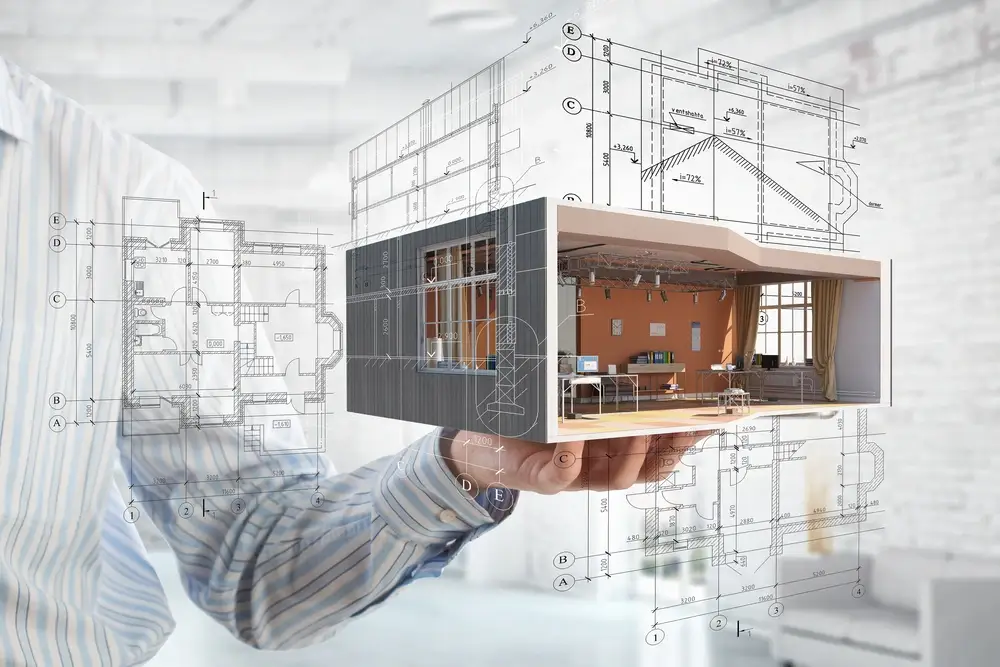
One of the most significant shifts in the sector involves how we visualize and manage project lifecycles. The Building Information Modeling benefits for project management are vast. BIM allows teams to create detailed 3D representations of a building’s physical and functional characteristics. This leads to vastly improved clash detection, highly accurate cost estimations, and seamless collaboration between architects, engineers, and contractors.
Taking BIM a step further, firms are increasingly adopting digital twin technology for lifecycle asset management. A digital twin is a living, breathing virtual replica of a physical building that updates in real-time using sensors. Long after the construction phase is over, facility managers can use the digital twin to predict maintenance needs, monitor energy efficiency, and optimize the building’s performance over decades.
To tie all these digital components together, companies rely on robust software platforms. Evaluating cloud-based construction management software features is critical for modern firms. The best platforms offer:
Real-time communication and messaging channels.
Centralized document and blueprint control.
Automated budget tracking and payroll integration.
Mobile accessibility for field-to-office collaboration.
AI and Automation on the Jobsite
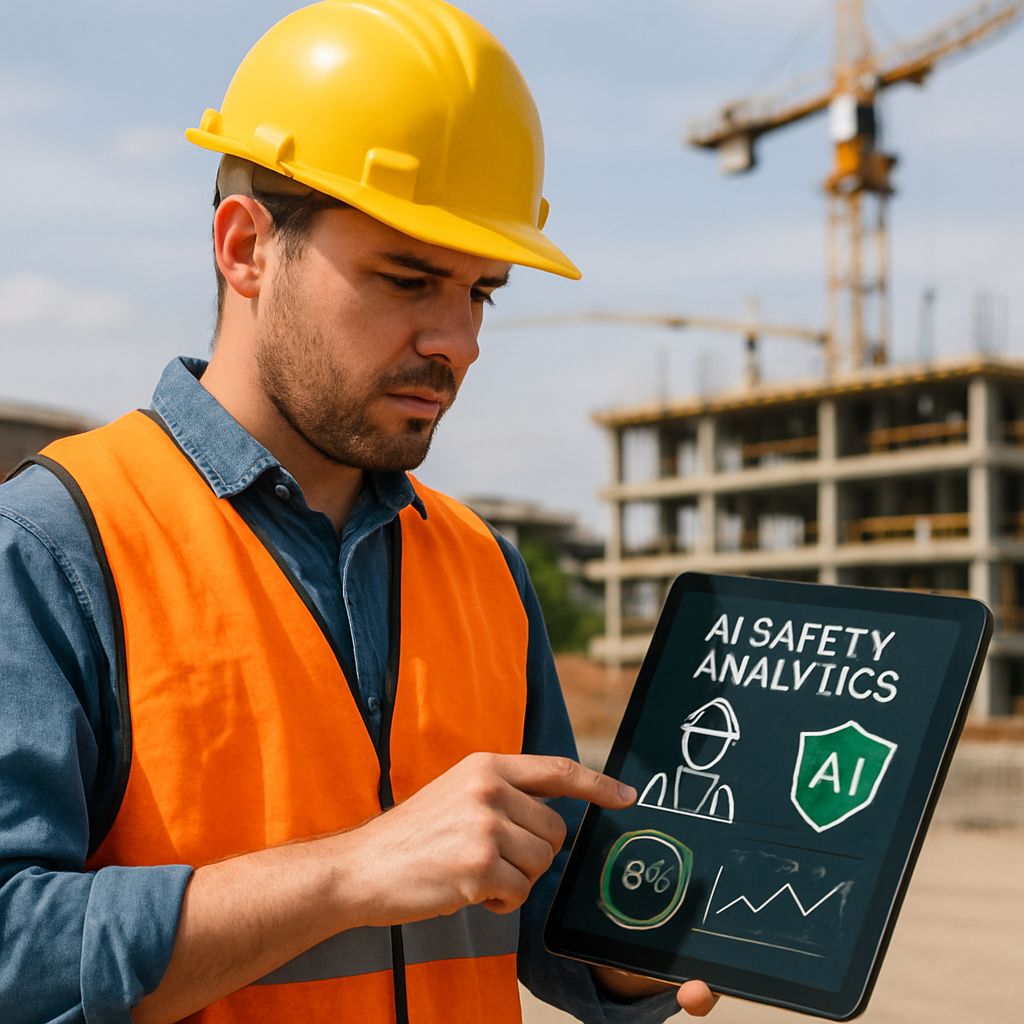
Artificial intelligence is rapidly moving from a theoretical concept to a practical tool on the jobsite. For instance, the impact of artificial intelligence on jobsite safety is truly life-saving. AI-powered cameras and computer vision software can monitor sites 24/7, instantly identifying safety hazards such as workers missing personal protective equipment (PPE) or heavy machinery operating too close to personnel.
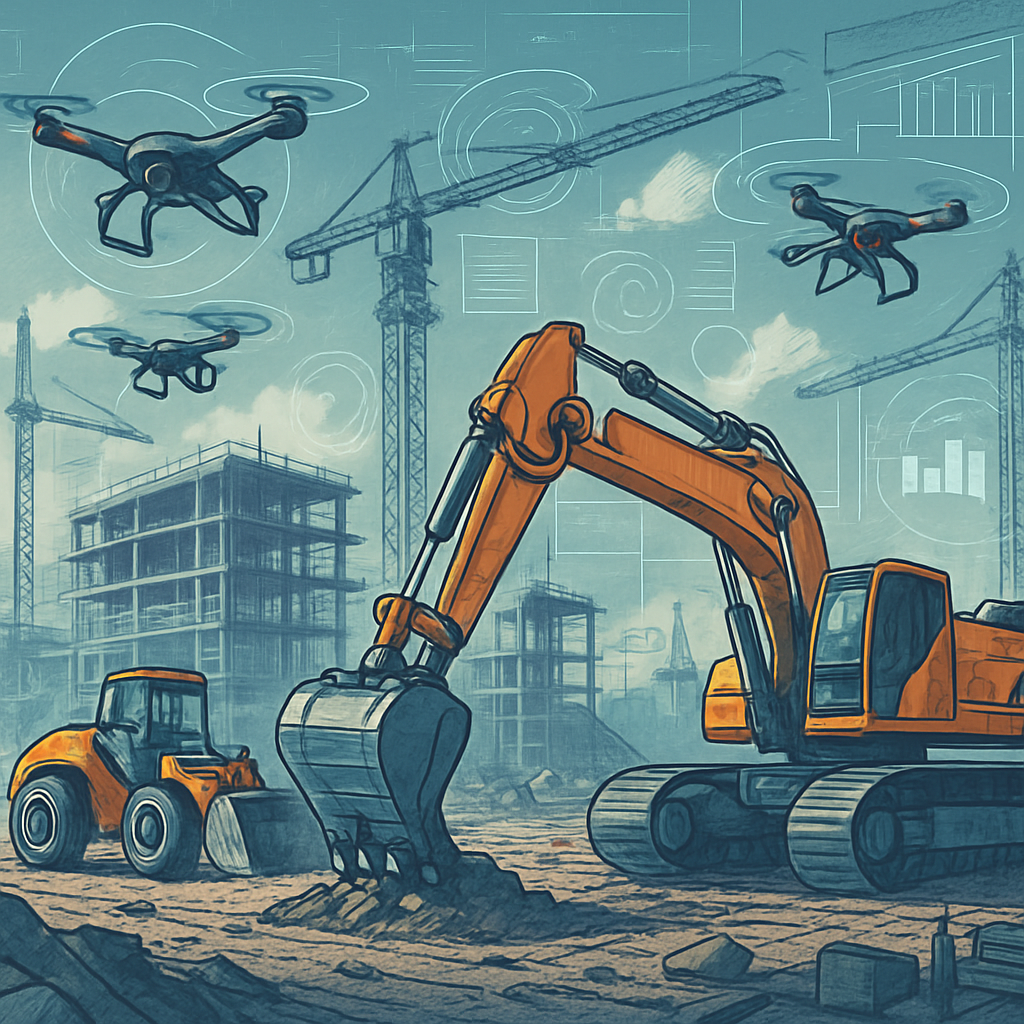
Furthermore, robotics and machine learning are proving instrumental in overcoming the skilled labor shortage with automation. With fewer young workers entering the trades, automated bricklaying robots, autonomous bulldozers, and robotic drywall installers are stepping in to handle repetitive and physically demanding tasks. This allows human workers to focus on complex problem-solving and quality control.
Advanced Building Methods: Rethinking How We Build
As we embrace new technology building construction methods, traditional stick-built homes and cast-in-place commercial structures are being challenged by faster, more efficient alternatives.
The Rise of Off-Site Construction
Off-site construction, including modular and prefab building, is taking center stage. When developers look at a modular vs traditional construction cost comparison, the advantages quickly become apparent. While the upfront design and manufacturing costs of modular units can be slightly higher, the dramatic reduction in project timelines—often up to 50% faster—results in massive savings on labor, financing, and site overhead.
Moreover, there are distinct prefabricated housing advantages for urban development. In dense urban environments, traditional construction creates noise, traffic congestion, and prolonged neighborhood disruption. Prefabricated sections are built in climate-controlled factories and delivered to the city site for quick assembly, minimizing local disturbances and reducing material waste.
Pushing Boundaries with 3D Printing
Another breakthrough in innovation in construction industry practices is additive manufacturing. While initially used for small-scale residential prototypes, we are now seeing the realities of using 3D printing in large scale commercial projects. Massive robotic arms can extrude specialized concrete mixtures layer by layer, erecting the walls of warehouses and office buildings in a matter of days. This technology drastically reduces material waste, allows for highly complex and curved architectural designs, and requires a fraction of the manual labor compared to traditional masonry.
The Green Shift: Sustainability and Eco-Friendly Materials
The built environment is responsible for a significant portion of global carbon emissions. As climate change becomes a pressing global concern, sustainable building is transitioning from a niche market trend to a strict regulatory requirement.
Navigating Net-Zero and Green Building
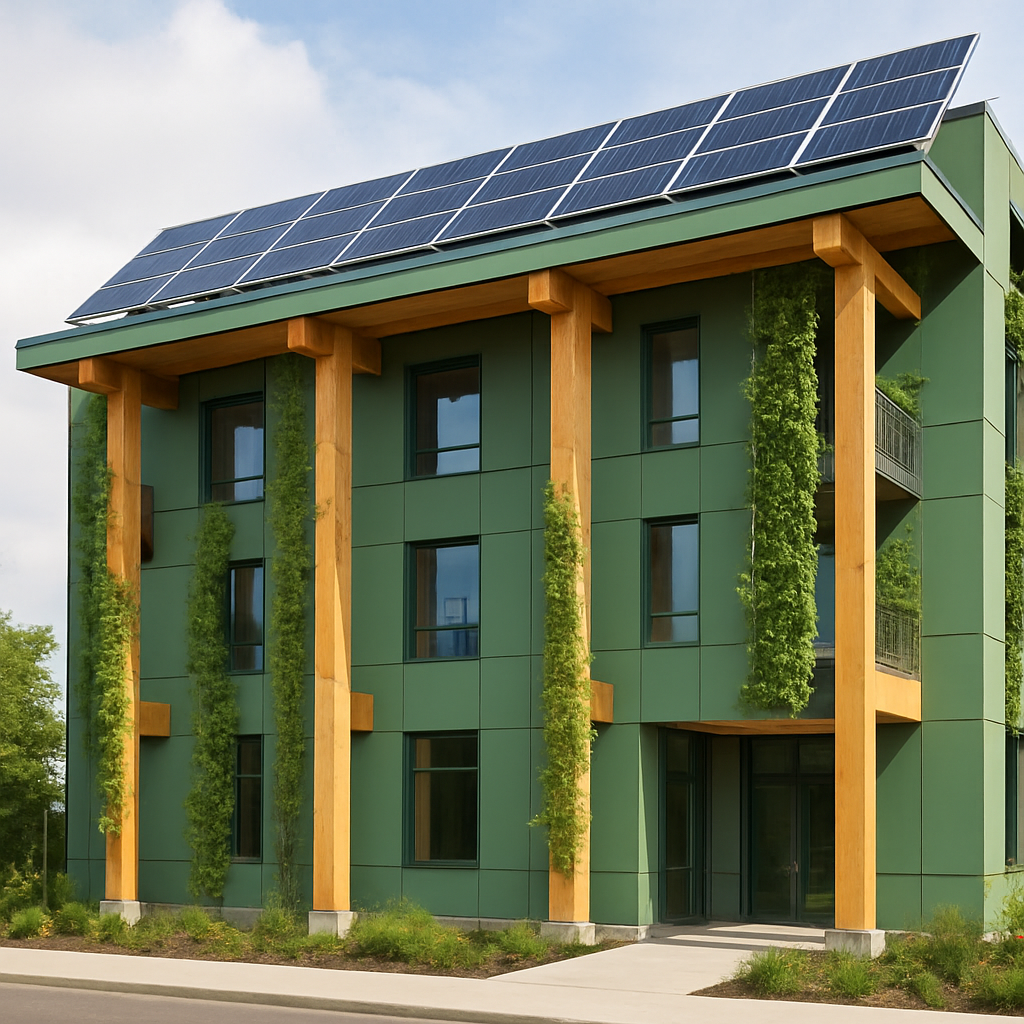
Understanding how to implement sustainable building practices is vital for today’s contractors. It starts in the design phase, prioritizing natural lighting, high-performance insulation, and renewable energy integration. Developers must increasingly comply with net-zero building standards and regulations, which mandate that a building produces as much energy as it consumes over the course of a year.
A critical step in this journey is adopting green building materials to reduce carbon footprint. Instead of relying solely on traditional cement and steel—both of which are highly carbon-intensive to produce—builders are turning to sustainable alternatives.
Modern Materials: Timber vs. Concrete
One of the most exciting material innovations is mass timber. When analyzing cross-laminated timber versus reinforced concrete durability, many industry professionals are surprised by the results. Cross-laminated timber (CLT) is engineered to be incredibly strong and has exceptional fire resistance, as the thick outer layer chars and protects the structural integrity of the core. CLT is lighter than concrete, sequesters carbon rather than emitting it, and offers excellent seismic resilience, making it a highly durable and eco-friendly choice for mid-rise commercial buildings.
Actionable Tip: If you want to green your next project, start small. Replace traditional Portland cement with lower-carbon alternatives, source recycled structural steel, and prioritize local material procurement to reduce transportation emissions.
Smart Infrastructure and Human-Centric Technology
Buildings do not exist in a vacuum; they are part of a broader urban ecosystem. As cities modernize, construction firms must adapt their builds to plug into smart infrastructures while prioritizing the humans building them.
Connecting the City
If you are wondering what are the latest innovations in smart city infrastructure, the answer lies in connectivity. Modern construction projects now incorporate Internet of Things (IoT) sensors directly into their foundations, roads, and utility grids. These sensors monitor traffic flow, water pressure, and structural integrity in real-time. By integrating these micro-technologies during the construction phase, builders are laying the groundwork for cities that can dynamically adapt to the needs of their populations, reduce energy consumption, and proactively request maintenance before critical infrastructure fails.
Protecting the Workforce
While smart cities protect the public, new innovations are protecting the workers. There has been a massive surge in the use of wearable technology for monitoring worker health on site. Smart hard hats, biometric vests, and connected boots can track a worker’s heart rate, body temperature, and physical location. If a worker in a high-heat environment begins to show signs of heat exhaustion, site safety managers are instantly alerted via their mobile devices. Wearables can also detect sudden falls or exposure to hazardous gases, ensuring rapid emergency response times that save lives.
Supply Chain Resilience and Future Preparedness
Even with the best technology, you cannot build without materials. Recent global disruptions have highlighted the fragility of traditional material sourcing. Consequently, implementing strong strategies for improving construction supply chain resilience is a top priority for construction management.
Firms are moving away from “just-in-time” delivery models that leave them vulnerable to shipping delays. Instead, they are utilizing AI-driven predictive analytics to forecast material shortages months in advance. Diversifying supplier networks, stockpiling critical materials, and utilizing local vendors are essential tactics to keep projects moving forward despite global economic turbulence.
Conclusion
The future of the built environment is digital, automated, and green. By actively embracing construction industry trends—from AI-driven safety protocols and BIM software to modular building and mass timber—firms can navigate the complexities of the modern market.
Keeping up with these trends in building construction is not just about adopting gadgets; it is about fundamentally rethinking efficiency, safety, and environmental responsibility. As innovation in construction industry practices continues to accelerate, the companies that lean into new technologies today will be the ones leading the skylines of tomorrow.
Newsletter Updates
Enter your email address below and subscribe to our newsletter