Before You Go — Get BRAND BOA Updates Top Products, Shed Plans & Estimating Tips
Join homeowners, DIY builders & contractors
Subscribe to receive construction product recommendations, shed plan updates, BOQ tips, and useful buying guides for tools, materials, finishes, and building essentials. We’ll help you discover selected products from trusted USA suppliers and share practical ideas to plan, price, and build smarter.
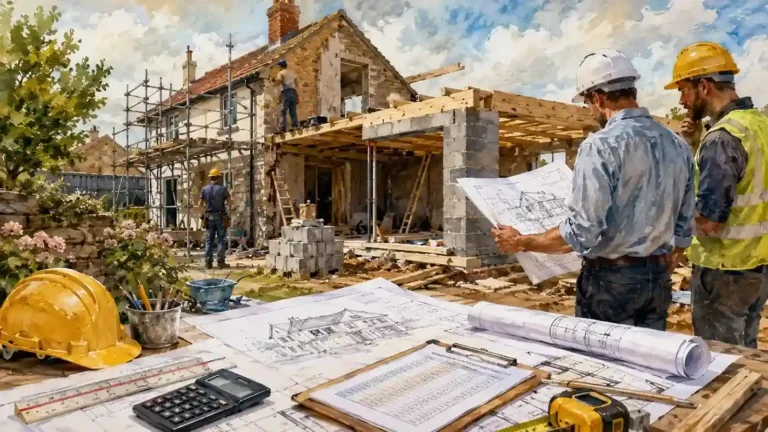
Before a single shovel hits the dirt or a concrete foundation is poured, every successful building initiative begins with an idea. But how do you know if that idea is actually viable?
Have you ever wondered why some developments are completed flawlessly while others turn into costly, abandoned nightmares? The secret usually lies in the planning phase. Savvy developers and investors rely heavily on a comprehensive feasibility study for a construction project. This vital assessment determines whether a vision can—and should—become a reality.
Let’s explore how a thorough evaluation ensures overall project feasibility, safeguards your investment, and provides a clear roadmap from concept to completion.
What is a Construction Feasibility Study?
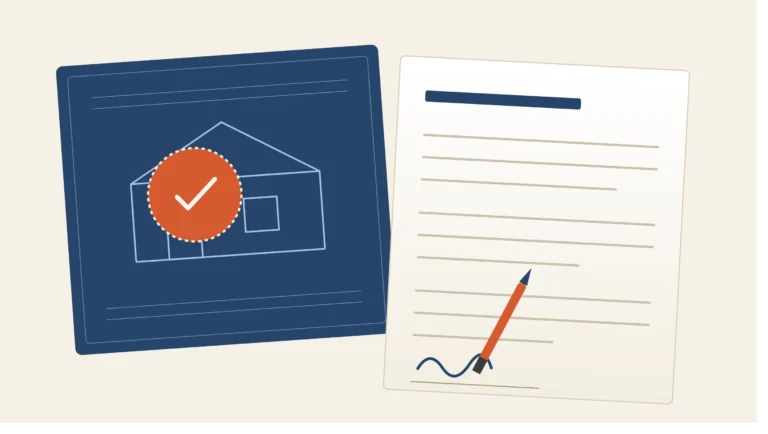
At its core, a construction feasibility study is an objective, data-driven assessment of a proposed project’s practicality. Think of it as the ultimate feasibility test of a project. It evaluates technical, financial, legal, and operational factors to determine if a build is practically and economically viable.
To fully grasp the process, it is important to understand the pre-feasibility vs detailed feasibility study differences.
Pre-feasibility Study: This is a preliminary, high-level review designed to rule out obvious dealbreakers early on. It relies on broad assumptions and helps developers decide if they should invest further resources into exploring the idea.
Detailed Feasibility Study: If the pre-feasibility check passes, you move into the detailed phase. This is a comprehensive, granular analysis of every project facet, ultimately culminating in a formal feasibility report construction stakeholders can review, critique, and use to secure funding.
When evaluating construction feasibility, you are essentially building the project on paper first. If it falls apart on paper, you save yourself the millions of dollars it would have cost to watch it fail in real life.
Key Components of Physical and Legal Feasibility
Assessing construction project feasibility requires a deep dive into the physical limitations of the land and the legal frameworks governing it.
Site Analysis and Environmental Factors
Choosing the right location is about much more than just a good zip code. Developing strict site selection criteria for commercial construction is paramount. You must consider accessibility, visibility, surrounding demographics, and topography.
Once a potential site is identified, knowing the exact steps to conduct site analysis for building ensures you don’t miss hidden red flags. This process generally involves:
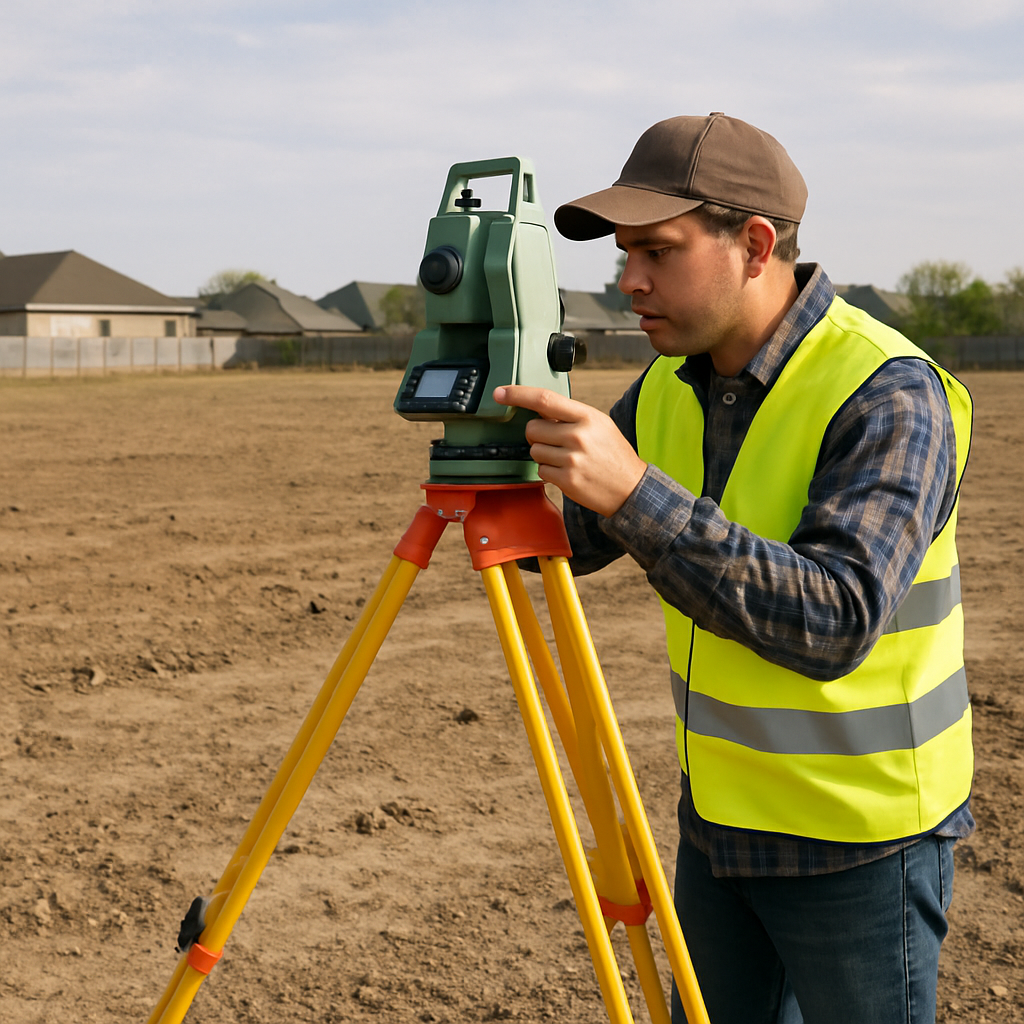
Topographical Mapping: Understanding the slopes, elevations, and natural drainage of the land.
Geotechnical Evaluations: Meeting strict geotechnical survey and soil testing requirements is vital. You must verify that the earth can physically support your structure’s load without risking subsidence or sinkholes.
Environmental Scrutiny: Today, an environmental impact assessment for new builds is non-negotiable. This step helps developers protect local ecosystems, manage stormwater runoff, and avoid hefty regulatory fines.
Infrastructure and Utilities
Even a perfectly stable piece of land is useless if you cannot power it. A thorough infrastructure and utility availability assessment guarantees your site has adequate, cost-effective access to municipal water, electricity lines, sewage systems, and modern telecommunications. If these utilities are not readily available, the cost to bring them to the site must be factored into your budget—which can drastically alter the project’s viability.
Legal and Regulatory Compliance
Even the most physically sound site can be derailed by red tape. Ensuring zoning laws and land use regulations compliance is a critical step.
Is the land zoned for commercial, residential, or mixed-use?
Are there height restrictions or density limits?
Are there historical preservation overlays?
If the land isn’t legally zoned for your intended use, you will have to undergo a rezoning process. This can take months or even years, with no guarantee of success.
Evaluating Financial and Market Viability
A solid feasibility study for a construction project must answer one key question: Does this make financial sense?
Market Demand and Profitability
Before building, you must confirm that end-users actually want what you are offering. Conducting a precise real estate market demand analysis tells you if the local market is saturated or if there is a gap you can fill. Are local businesses looking for Class A office space, or is there a desperate need for affordable multi-family housing?
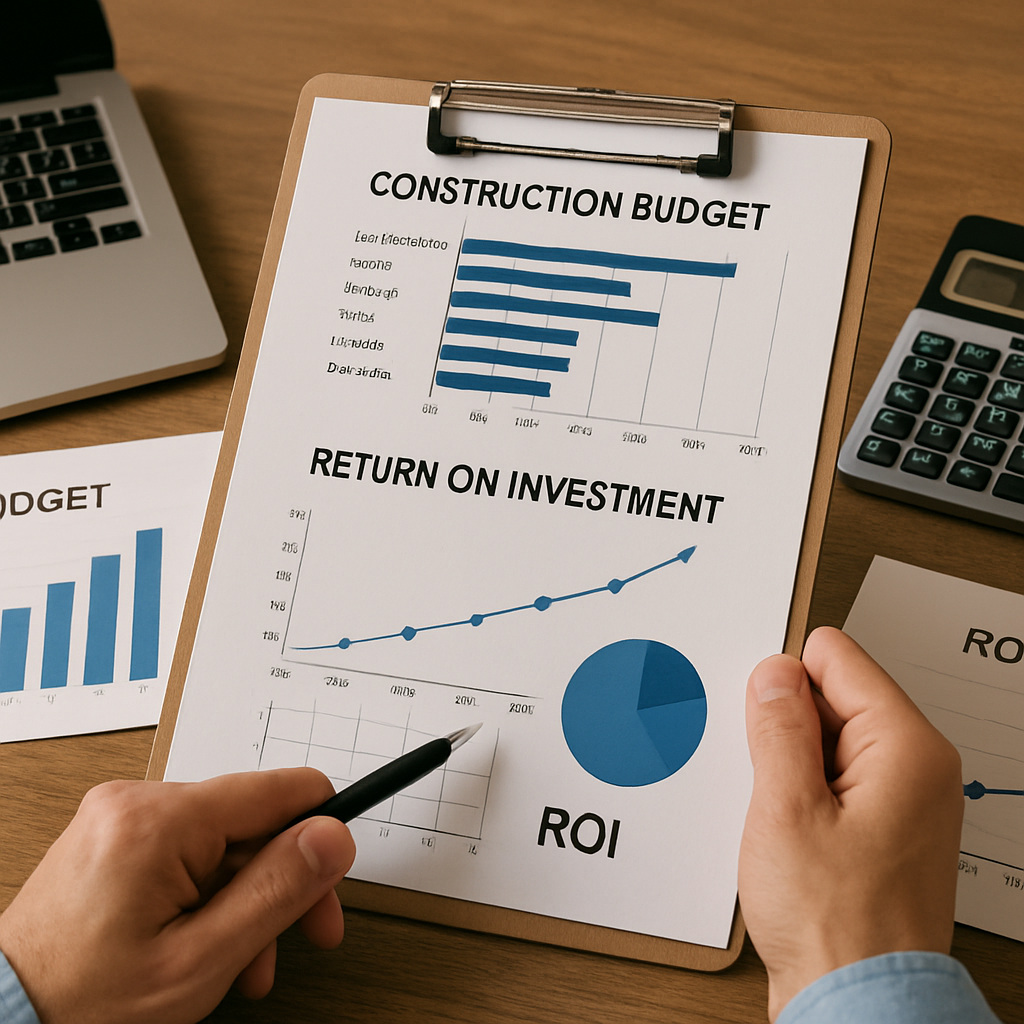
This data flows directly into your return on investment projections for real estate developments. Investors want to see realistic, data-backed numbers regarding expected rental yields, absorption rates, and overall asset appreciation.
Cost Analysis Framework
To prove profitability, you must establish a robust construction cost-benefit analysis framework. This framework weighs the total estimated costs against the projected economic benefits over the asset’s lifespan. Your cost analysis should include:
Hard Costs: Materials, labor, site excavation, and landscaping.
Soft Costs: Architectural fees, legal permits, insurance, and taxes.
Contingency Funds: An emergency buffer (usually 10-15%) for unforeseen expenses.
Actionable Tip: Don’t let optimism bias cloud your numbers. Always estimate costs slightly higher and revenues slightly lower to stress-test your financial model.
The Cost of Due Diligence
A common question among new developers is: How much does a construction feasibility report cost?
Generally, the cost ranges from 1% to 2% of the total estimated project budget. For a small commercial build, this might be $10,000 to $20,000. For a massive high-rise, it could run into the hundreds of thousands. While it might seem like a large upfront expense, it is an incredibly cheap insurance policy compared to the catastrophic cost of a failed multi-million dollar build.
Risk Management and Project Timelines
Successful developers don’t just hope for the best; they plan for the worst.
Mitigating Risks Early
Proactive planning is the bedrock of success. A major part of assessing viability involves mitigating construction risks during planning phase. By identifying threats early, you can develop contingency plans. Common risks include:
Supply Chain Disruptions: Material shortages can halt a project. Mitigate this by identifying backup suppliers and ordering long-lead items early.
Labor Shortages: A lack of skilled tradesmen can delay schedules. Mitigate by locking in general contractors with proven, reliable subcontractor networks.
Weather Events: Mitigate seasonal weather delays by scheduling groundwork during historically dry seasons.
Master Scheduling
Time is money in real estate. Accurate construction project scheduling and timeline estimation is a core component of your study. A detailed schedule helps secure financing, as lenders want to know exactly when a project will start generating revenue.
A good timeline breaks the project down into phases (design, permitting, procurement, construction, closeout) and highlights the “critical path”—the sequence of tasks that cannot be delayed without delaying the entire project.
The Final Verdict: To Build or Not to Build?
The culmination of all this hard work is the final decision. The strategic importance of project go-no-go decisions cannot be overstated. A proper feasibility study removes ego and emotion from the equation, relying purely on empirical data.
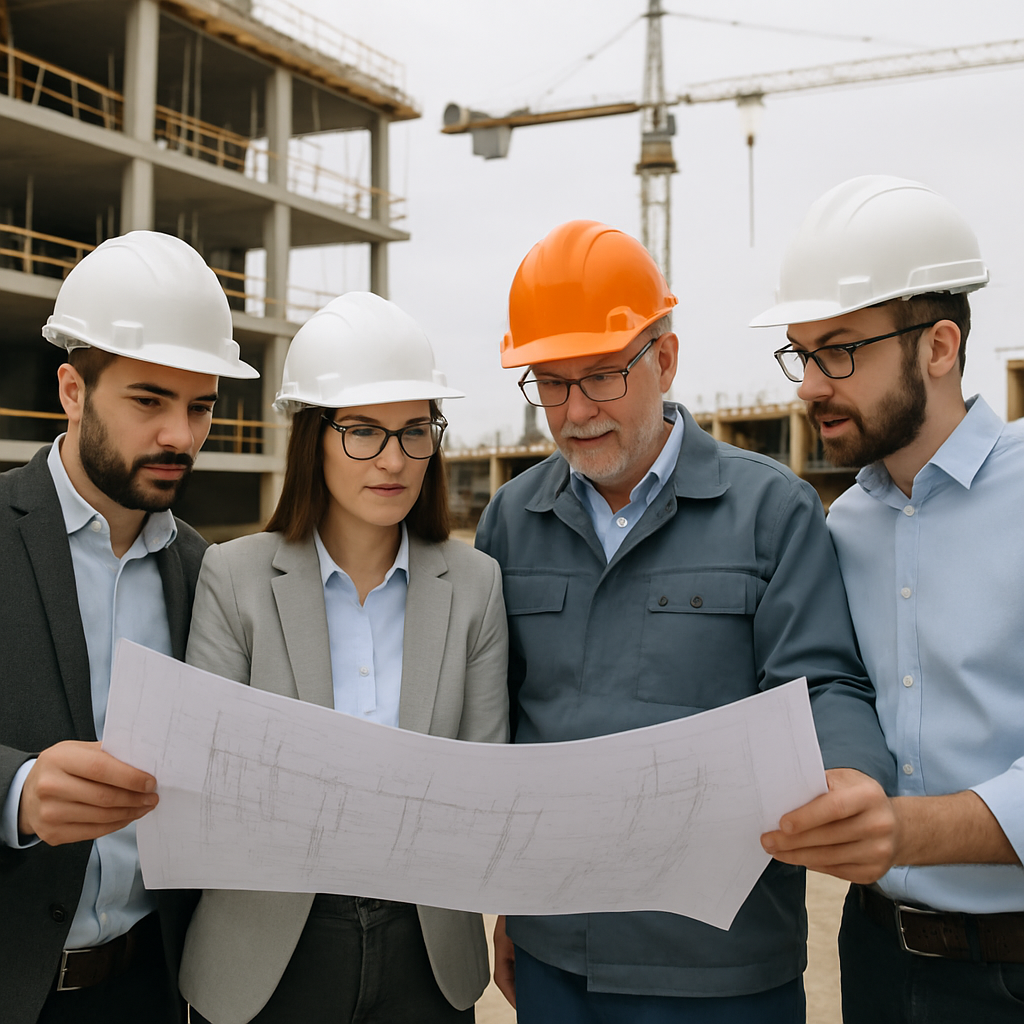
When it is time for presenting project viability to investors, a comprehensive, well-structured feasibility report is your greatest asset. It proves to lenders, partners, and stakeholders that you have done your due diligence, respected their capital, and possess a clear, actionable plan for success.
If the data says “Go,” you can move into the design and procurement phases with total confidence. If the data says “No-Go,” you have successfully avoided a financial disaster.
Conclusion
The importance of a feasibility study for a construction project goes far beyond ticking boxes for a bank loan. It is the foundational blueprint of your project’s success. From understanding soil conditions to projecting long-term real estate returns, every element of the feasibility phase is designed to protect your investment. By embracing these rigorous planning stages, you position your construction project for smoother execution, fewer costly surprises, and ultimately, a highly profitable conclusion.
Newsletter Updates
Enter your email address below and subscribe to our newsletter