Before You Go — Get BRAND BOA Updates Top Products, Shed Plans & Estimating Tips
Join homeowners, DIY builders & contractors
Subscribe to receive construction product recommendations, shed plan updates, BOQ tips, and useful buying guides for tools, materials, finishes, and building essentials. We’ll help you discover selected products from trusted USA suppliers and share practical ideas to plan, price, and build smarter.
The construction industry, historically known for its reliance on manual labor and traditional processes, is undergoing a massive transformation. We are witnessing a rapid evolution where brick and mortar meet code and data. Driven by a global demand for faster, safer, and more eco-friendly infrastructure, modern building construction technology is rewriting the rules of how we design, build, and maintain our physical world.
Whether you are a project manager looking to optimize your workflow, an architect designing the skyline of tomorrow, or a stakeholder keeping an eye on the latest construction trends, staying updated is no longer optional—it is critical for survival.
Let us dive deep into the innovations that are shaping the job sites of today and tomorrow.
The Digital Foundation: Software and Visualization
Before a single shovel hits the dirt, a project must be meticulously planned. Today, digital construction tools allow teams to build a structure virtually before they build it physically, saving time, reducing costly errors, and improving stakeholder collaboration.
Building Information Modeling (BIM)
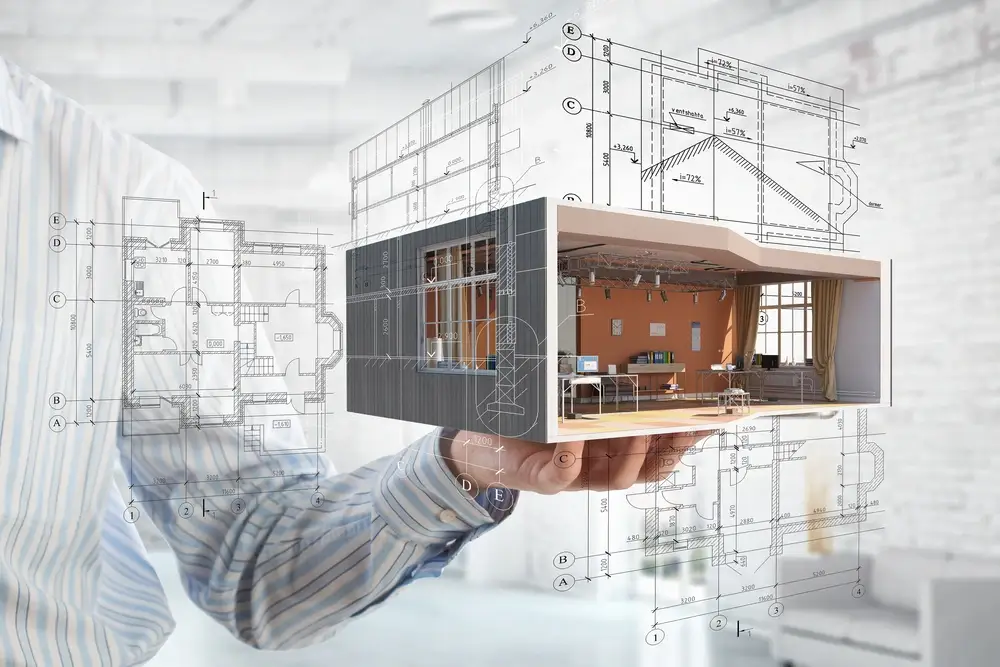
For those transitioning from 2D blueprints, you might ask: how does building information modeling work in practice? BIM is far more than just a 3D modeling tool. It is an intelligent, data-rich process that gives architecture, engineering, and construction (AEC) professionals the insight to plan, design, construct, and manage buildings efficiently. Every element in a BIM model contains metadata—such as material specifications, cost, and structural load—allowing teams to detect clashes (like a pipe intersecting a ventilation shaft) before physical construction begins.
Bringing Designs to Life with AR
Coupled with BIM, we are seeing a massive surge in the use of augmented reality for architectural visualization. By wearing an AR headset or using a tablet on-site, project managers can overlay a digital 3D model onto the physical job site. This allows clients to “walk through” a building and approve finishes before walls are erected, bridging the gap between imagination and reality.
Actionable Tip: If you are adopting digital tools, start by training a core “innovation team” within your firm to master BIM and AR integration. Let them pilot these tools on a small-scale project before rolling them out company-wide.
Modernizing the Build: Automation and Robotics
The push for higher productivity and precision has accelerated automation in the construction industry. Machines are no longer just tools; they are becoming intelligent partners on the job site.
The Rise of 3D Printing
One of the most visually stunning advancements is the integration of massive 3D printers on job sites. By extruding layers of specially formulated concrete, these machines can build the foundational walls of a home in a matter of hours. The 3D concrete printing efficiency is staggering—it drastically reduces material waste, requires fewer hands on deck, and allows for complex, curved architectural designs that would be prohibitively expensive using traditional formwork.
Intelligent Machinery
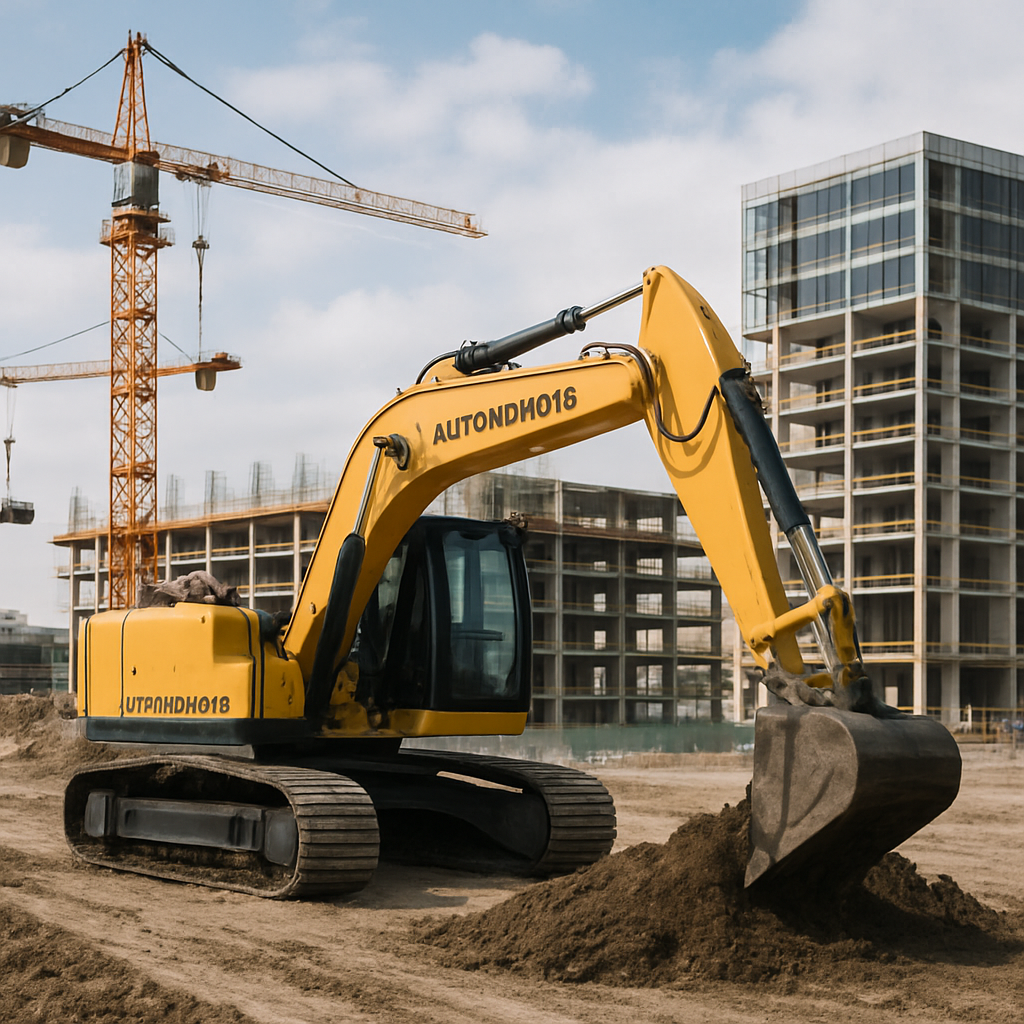
We are also witnessing the dawn of autonomous heavy equipment operation. Bulldozers, excavators, and compactors equipped with GPS, LiDAR, and advanced sensors can now perform repetitive tasks like site grading and trenching with pinpoint accuracy, without a human operator in the cab. This not only speeds up site prep but also reallocates human labor to more complex, decision-making tasks.
Shifting Paradigms: Off-Site Assembly and Lean Operations
The way we assemble buildings is fundamentally shifting from weather-dependent outdoor sites to controlled indoor environments.
Modular and Prefabricated Construction
When analyzing modular vs traditional construction methods, the advantages of going modular become crystal clear. In traditional construction, weather delays, scheduling conflicts, and site constraints often cause budget overruns. Conversely, modern methods of construction emphasize building components—or even entire rooms—in a climate-controlled factory.
Evaluating prefabricated vs on-site assembly reveals that prefabrication dramatically cuts down construction timelines. While the foundation is being poured on-site, the walls, plumbing, and electrical systems are being simultaneously assembled off-site. Once completed, they are transported and hoisted into place like giant building blocks.
Working Smarter, Not Harder
These off-site methods tie perfectly into adopting lean construction principles. Borrowed from the manufacturing sector, lean construction focuses on maximizing value while minimizing waste. By meticulously planning material deliveries (just-in-time inventory) and optimizing worker movement, contractors can slash overhead costs and significantly improve project delivery times.
The Green Frontier: Sustainability in Construction
The built environment is responsible for a significant portion of global greenhouse gas emissions. Consequently, transitioning to sustainable building practices is an environmental necessity and a strict regulatory requirement in many regions.
Rethinking What We Build With
To truly embrace green architecture, we must look at our building materials. The industry is moving away from carbon-heavy traditional concrete and steel, heavily investing in sustainable building materials innovations.
Cross-Laminated Timber (CLT): Engineered wood that is as strong as steel but acts as a carbon sink.
Self-Healing Concrete: Concrete mixed with dormant bacteria that activate when cracked, producing limestone to naturally seal the damage.
Mycelium Bricks: Organic bricks grown from the root structure of mushrooms, offering incredible insulation and full biodegradability.
These innovations are critical for reducing carbon footprint in construction and achieving net-zero energy goals in modern architecture.
Safety and Connectivity: AI, IoT, and Wearables
Construction has historically been a high-risk industry. Fortunately, modern construction tech is making job sites safer and more connected than ever before.
The Connected Job Site
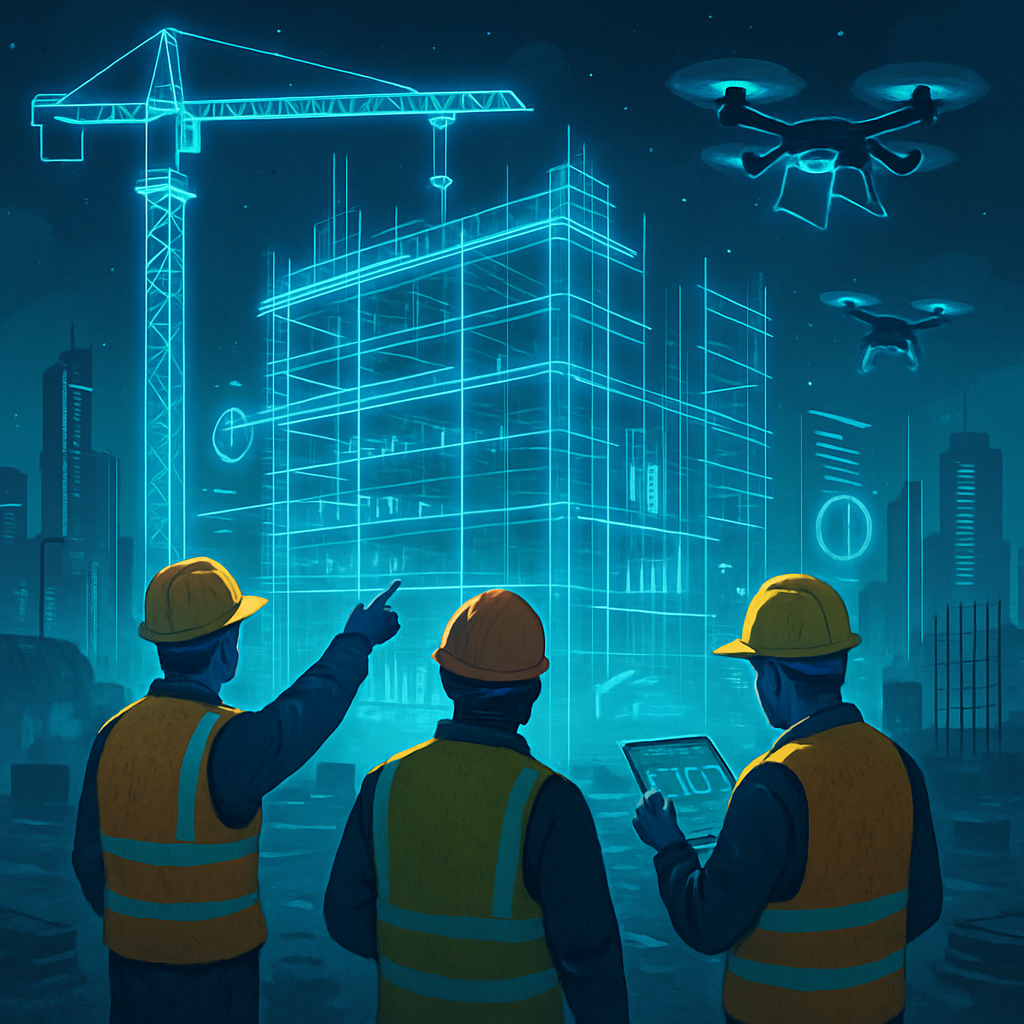
The integration of the Internet of Things for site monitoring has transformed static job sites into living, breathing data ecosystems. Sensors attached to machinery, materials, and temporary structures feed real-time data back to a central dashboard. Project managers can instantly track where a specific batch of steel is located, monitor the structural health of scaffolding, or measure on-site noise and dust levels to ensure environmental compliance.
AI-Powered Safety
Furthermore, companies are overcoming site safety challenges with AI. By running artificial intelligence algorithms on standard job site security cameras, AI can automatically detect safety violations in real-time. If a worker walks under a suspended load or enters a hazardous zone without a hard hat, the system can instantly alert site supervisors, preventing accidents before they happen.
Equipping the Workforce
Protecting the human element is also being revolutionized by implementing wearable technology for workers. Modern builders are now equipped with:
Smart Helmets: Featuring built-in visors that display vital project stats and track the wearer’s fatigue levels.
Sensor-Equipped Boots: Designed to detect slips, trips, or falls, automatically dispatching emergency services if a worker is unresponsive.
Exoskeletons: Bionic suits that assist workers in lifting heavy loads, vastly reducing the risk of musculoskeletal injuries.
Actionable Tip: Don’t overwhelm your crew with too much tech at once. Start by introducing one high-impact safety wearable, such as smart boots or fatigue-monitoring watches, and gather worker feedback before expanding your IoT ecosystem.
Looking Ahead: Building the Cities of Tomorrow
The impact of these innovations doesn’t stop once the keys are handed over. The ultimate goal of modern building construction technology is to create structures that live and breathe in harmony with their inhabitants and surroundings.
Once a project is completed using these advanced methods, it transitions into a smart building. These structures utilize centralized IoT networks to automate HVAC systems, adjust lighting based on natural sunlight, and optimize energy consumption based on occupancy levels.
Zooming out even further, these intelligent buildings serve as the foundational nodes for the future of smart city infrastructure. In the cities of tomorrow, buildings will communicate directly with autonomous traffic grids to manage commute flows, share excess solar energy with neighboring structures, and automatically alert municipal services about utility maintenance needs.
Conclusion
The construction industry is shedding its reputation as a slow-moving monolith. By embracing digital workflows, advanced robotics, eco-friendly materials, and data-driven safety protocols, the sector is entering a golden age of efficiency and sustainability.
Whether you are implementing lean methodologies, exploring the efficiency of 3D printing, or investing in virtual reality visualization, the message is clear: the future of building is already here. Those who adapt to and integrate these technological innovations will not only build faster and safer—they will be the ones shaping the skyline of the future.
Newsletter Updates
Enter your email address below and subscribe to our newsletter