Before You Go — Get BRAND BOA Updates Top Products, Shed Plans & Estimating Tips
Join homeowners, DIY builders & contractors
Subscribe to receive construction product recommendations, shed plan updates, BOQ tips, and useful buying guides for tools, materials, finishes, and building essentials. We’ll help you discover selected products from trusted USA suppliers and share practical ideas to plan, price, and build smarter.
Have you ever wondered why some commercial building projects finish perfectly on time and under budget, while others spiral into endless, costly delays? The secret rarely lies in the physical building process itself. Instead, a project’s success is forged long before the first shovel ever hits the dirt.
If you are entering the world of commercial development, real estate, or large-scale residential building, you might be asking yourself: what are pre construction services, and why are they absolutely critical to my project’s bottom line?
In the modern building industry, “winging it” is a recipe for disaster. Proper planning sets the foundation for a smooth build. In this comprehensive guide, we will explore exactly what these services entail, how they protect your investment, and how to effectively navigate the early stages of your next building endeavor.
The Basics: Pre-Construction vs Construction Phase
To truly grasp the importance of early planning, we first need to look at the pre-construction vs construction phase.
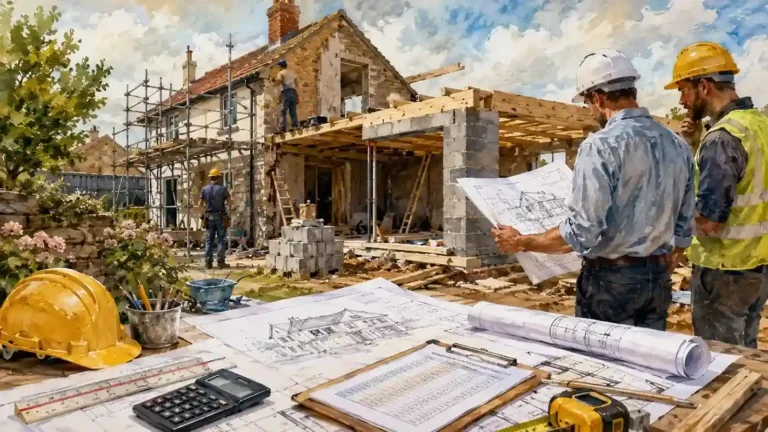
The construction phase is highly visible: it involves heavy machinery, pouring concrete, framing, and actual site labor. It is the execution of a plan. The pre-construction phase, on the other hand, is the formulation of that plan. It is a collaborative, analytical period where architects, engineers, and contractors work together to define the project’s scope, timeline, and budget.
Skipping or rushing this preparatory phase inevitably leads to mid-project design changes, material shortages, and budget overruns during the actual build.
So, What Are Pre Construction Services Exactly?
If you are still wondering, what are pre construction services in a practical sense? In simple terms, they encompass all the comprehensive construction planning services that take place before the actual building begins.
Whether you are utilizing a traditional design-bid-build model or highly integrated design build pre construction services (where the design and construction teams operate under a single contract), this phase is about answering the unknowns. It is the period where your vague concept translates into a tangible, actionable roadmap. The overarching goal is to define the project’s scope, create a reliable schedule, and establish a firm budget.
Key Components of the Project Planning Stages
Navigating the various project planning stages requires a highly structured approach. A top-tier pre-construction team will guide you through several distinct phases of preparation. Here is a breakdown of what that entails:
1. Site Analysis and Feasibility
Before you fall in love with a building concept, you must ensure the land can support it. The project feasibility study process evaluates if your vision is actually viable given the constraints of the property, local zoning laws, and environmental regulations.
This stage heavily involves schematic design and site evaluation. Planners will assess soil conditions, utility access, and topography. Identifying a major site issue now—rather than after you have purchased materials—can save hundreds of thousands of dollars.
2. Budgeting and Cost Control
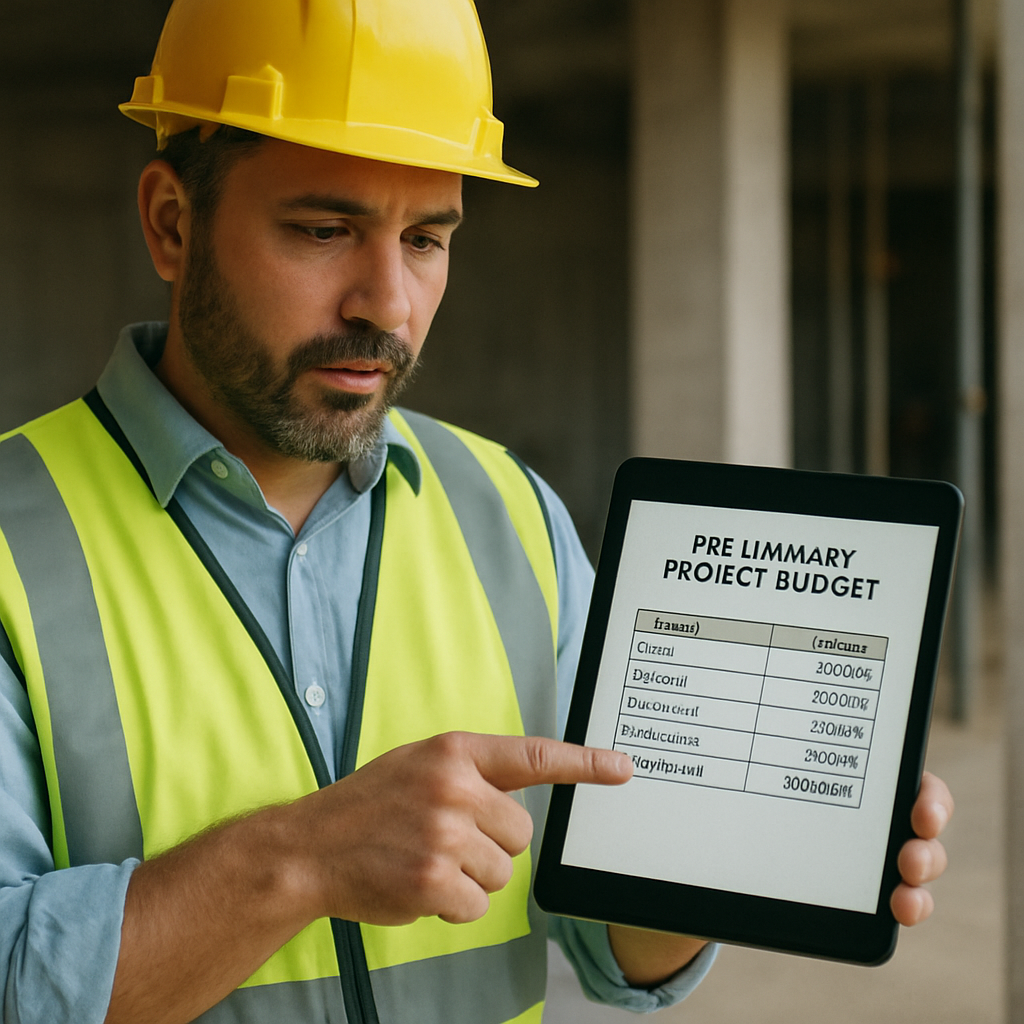
Finances dictate every project. The process begins with developing a preliminary project budget based on historical data and the initial schematic designs. However, this budget will evolve.
By utilizing professional cost estimation services, your contractor can break down the price of labor, materials, permits, and equipment. Achieving accurate construction cost estimation is the bedrock of a successful build, allowing owners to secure the right amount of financing and avoid mid-project funding crises.
3. Value Engineering and Design
Pre-construction is deeply intertwined with building design services. As the architectural drawings mature from basic schematics to highly detailed construction documents, the pre-construction team analyzes the plans for efficiency.
This is where value engineering in building design shines. Value engineering isn’t about cutting corners; it is about finding cost-effective alternatives that achieve the same (or better) functional results. For example, your team might suggest swapping a specific type of imported stone for a locally sourced alternative that looks identical but cuts material costs and delivery times in half.
4. Constructability and Risk Management
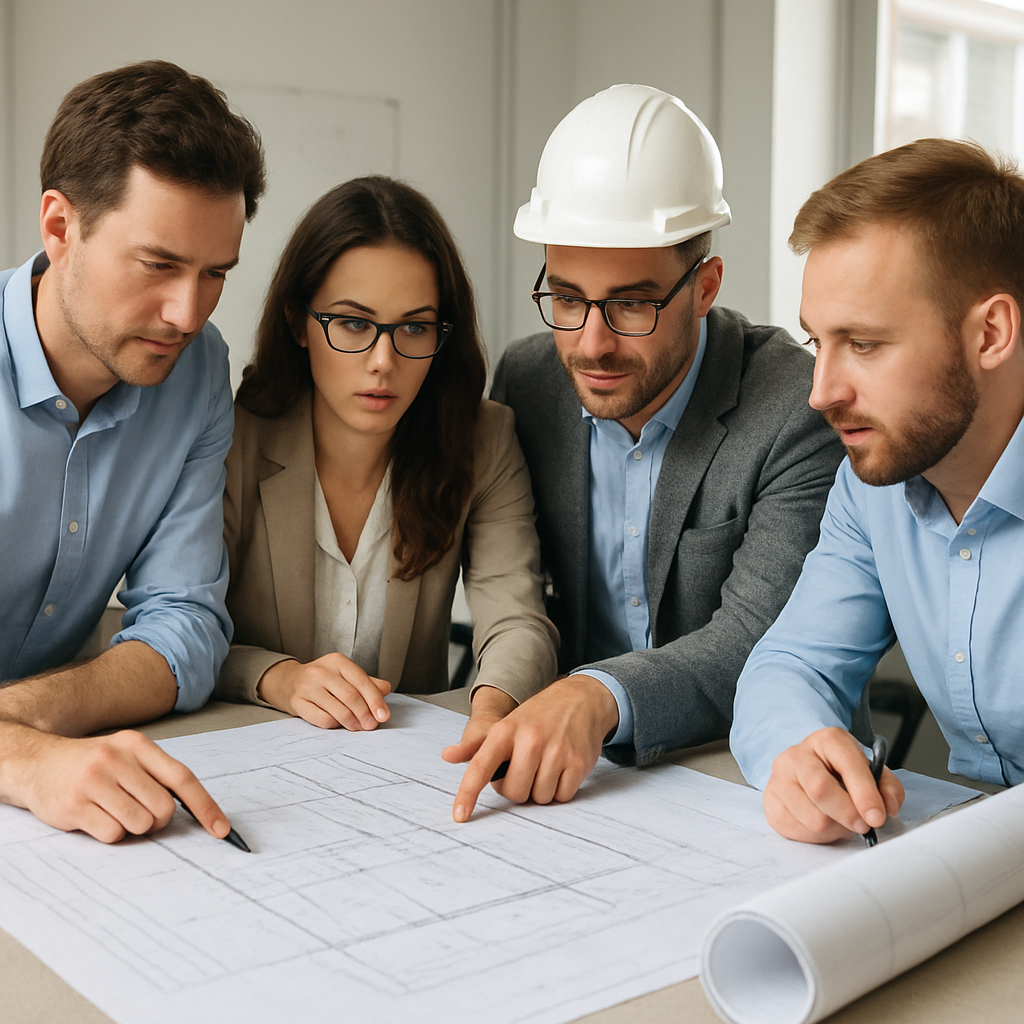
An architect can draw a beautiful structure, but can it realistically be built? A thorough construction project constructability review answers this question. Contractors review the blueprints to ensure the design can be safely and efficiently constructed in the real world.
Furthermore, this review is crucial for identifying potential construction risks early. Whether it’s a potential supply chain bottleneck for a specific material or a safety hazard related to the site’s layout, mitigating these risks on paper is infinitely easier than dealing with them on an active job site.
The Role of Technology in Planning
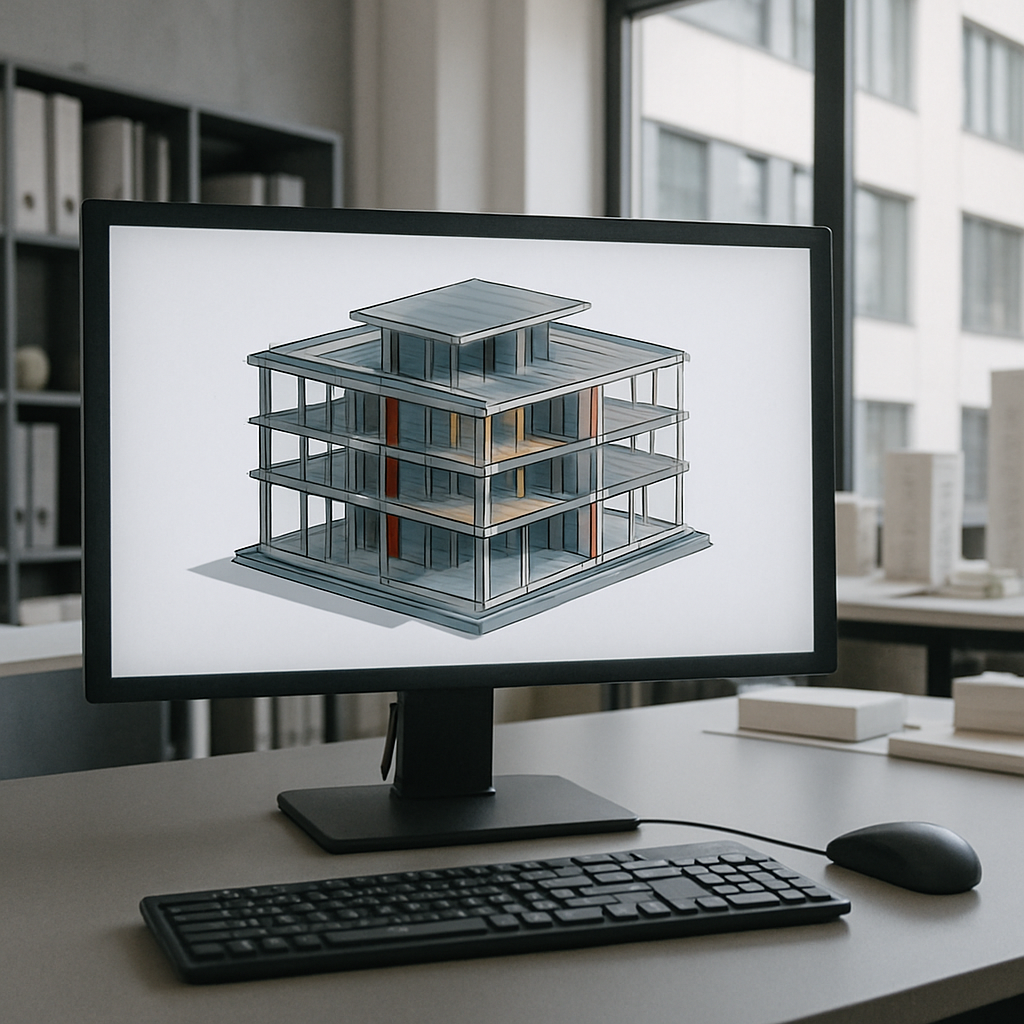
Modern pre-construction relies heavily on advanced technology. One of the most vital tools used today is building information modeling for pre-construction (BIM).
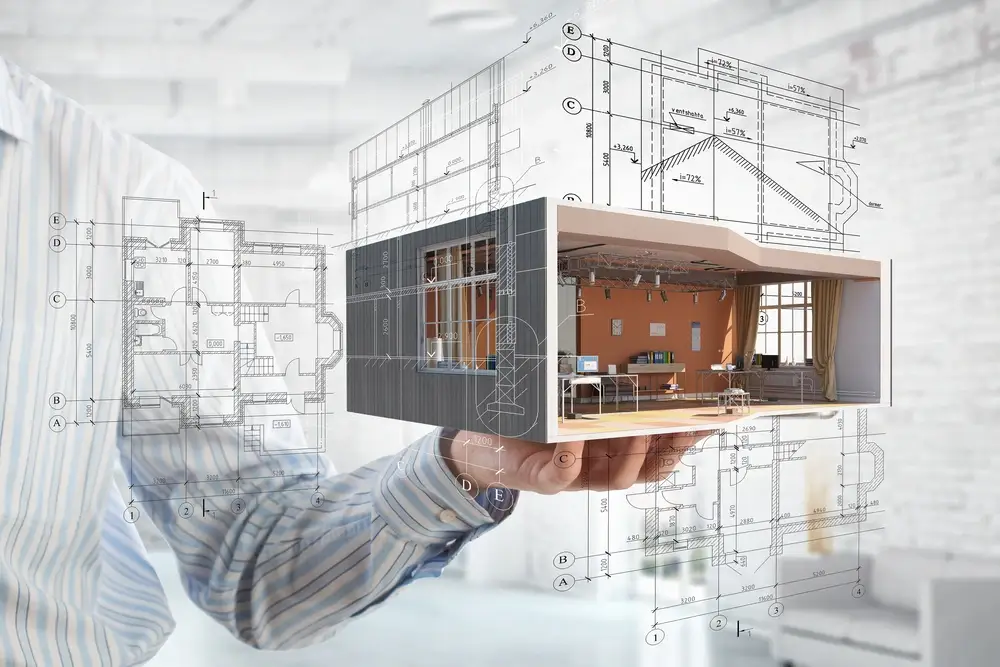
BIM goes far beyond traditional 2D blueprints. It creates a highly detailed, interactive 3D model of the building. This model includes data on the physical and functional characteristics of the space. By using BIM, the team can run “clash detections” (e.g., ensuring plumbing pipes don’t intersect with HVAC ducts) before construction begins, saving time and money.
Top Benefits of Hiring a Pre-Construction Manager
Some owners view the planning phase as an unnecessary expense, but the ROI is undeniable. The primary benefits of hiring a pre-construction manager include:
Cost Savings: Through value engineering and accurate bidding, managers often save owners significantly more money than the cost of their fees.
Time Efficiency: A well-laid plan is the number one factor in reducing project delays through planning. When materials are ordered early and schedules are aligned, the build progresses seamlessly.
Clear Expectations: Owners gain total transparency regarding what their project will look like, how long it will take, and exactly what it will cost.
Fewer Change Orders: Resolving design flaws before construction minimizes costly “change orders” that historically plague unprepared projects.
Understanding the Financials: How Much Do Pre-Construction Consulting Fees Cost?
A common and understandable question for developers is: how much do pre-construction consulting fees cost?
While it varies depending on the region, the complexity of the design, and the size of the project, pre-construction fees generally run between 1% to 3% of the total estimated project cost. Sometimes, this is billed as a flat fee; other times, it is billed hourly with a capped maximum.
Actionable Tip: If you end up hiring the same firm to execute the actual build, many construction companies will roll a portion (or all) of the pre-construction fee into the final construction contract, essentially making the planning phase a complimentary value-add.
Navigating the Paperwork: What is Included in a Pre-Construction Agreement?
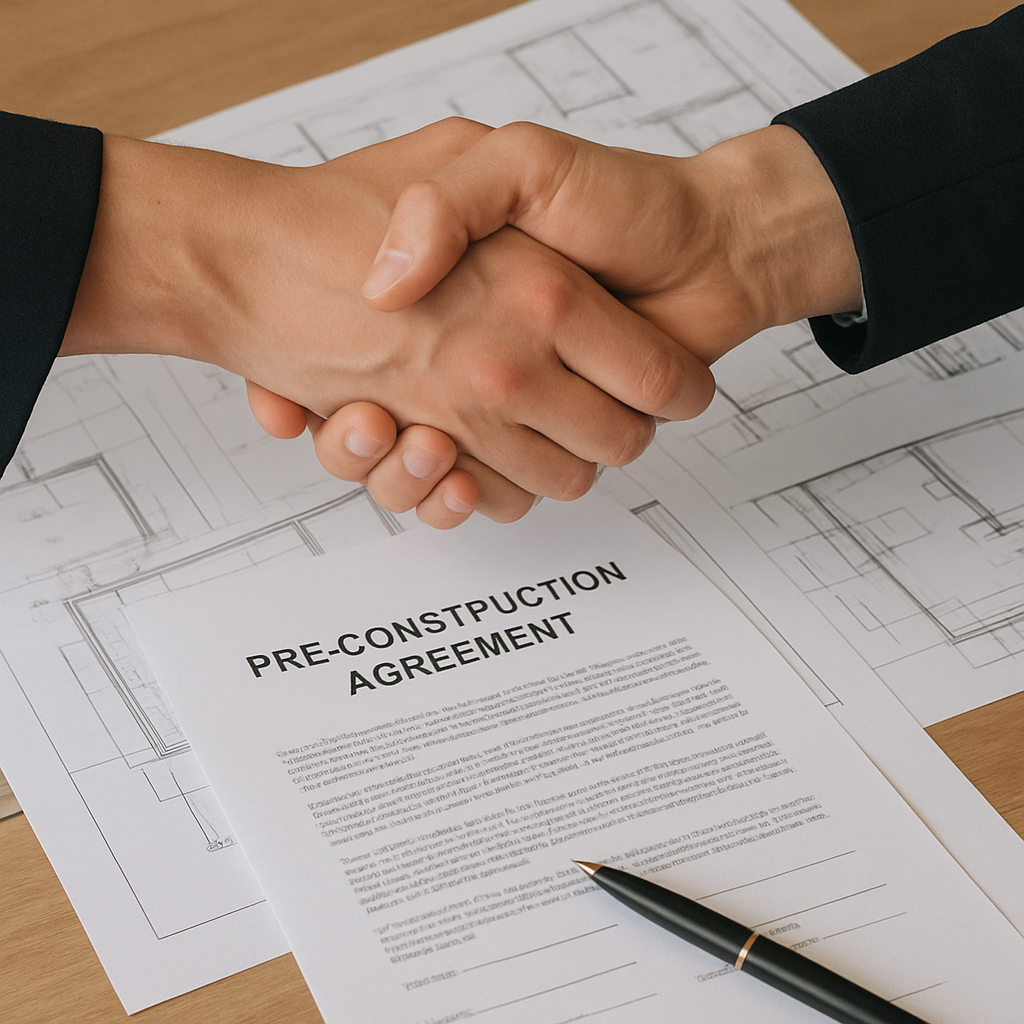
Before work begins, you will need to sign a contract. But what is included in a pre-construction agreement?
A standard agreement should clearly outline the specific deliverables the contractor will provide. Generally, it covers:
A finalized, highly detailed project budget.
A master project schedule detailing milestones.
A site logistics and safety plan.
Completed constructability and value engineering reports.
A final bid package for subcontractors.
Clear terms regarding the consultant’s compensation and the expected timeframe for the planning phase to be completed.
Tips for Choosing a Pre-Construction Contractor
The success of your planning phase rests entirely on the shoulders of the team you hire. When choosing a pre-construction contractor, you need a firm that prioritizes communication, transparency, and collaboration.
Hiring a general contractor for planning phase activities means you are essentially hiring a consultant. Look for contractors who have specific experience building your type of project (e.g., don’t hire a residential expert for a high-rise commercial medical facility).
Here are a few essential construction management tips to keep in mind during your selection process:
Ask for Case Studies: Request examples of past projects where the contractor’s early involvement saved the client time and money.
Evaluate their Tech Stack: Ensure they utilize modern software, including BIM and sophisticated estimating programs.
Assess Subcontractor Relationships: A great general contractor will have a deep pool of reliable, vetted subcontractors to draw upon for accurate early bidding.
Look for Transparency: Your contractor should be willing to show you exactly how they arrived at their cost estimates. Open-book estimating builds necessary trust.
Conclusion
Pre-construction is not just a preliminary hoop to jump through; it is the most critical phase of your entire project lifecycle. By investing time and resources into proper planning, site evaluation, value engineering, and risk management, you effectively immunize your project against the costly surprises that derail unprepared developers.
Ultimately, understanding the true value of these planning services empowers you to make informed decisions, hire the right professionals, and watch your architectural vision come to life smoothly, safely, and profitably.
Newsletter Updates
Enter your email address below and subscribe to our newsletter