Before You Go — Get BRAND BOA Updates Top Products, Shed Plans & Estimating Tips
Join homeowners, DIY builders & contractors
Subscribe to receive construction product recommendations, shed plan updates, BOQ tips, and useful buying guides for tools, materials, finishes, and building essentials. We’ll help you discover selected products from trusted USA suppliers and share practical ideas to plan, price, and build smarter.
Most devastating construction errors never show up in the final paint color; they hide silently behind the drywall. According to industry data from building inspectors, structural repairs required after walls are sealed cost significantly more than fixing issues during the early framing stages. Surface-level beauty often masks expensive, invisible flaws like improperly routed plumbing, unlevel floors, or missing insulation.
Think of a building project like preparing for a long cross-country road trip. Planning the route and buying the exact right grade of oil is your construction quality assurance—the proactive strategy that sets you up for success. Actually pulling the dipstick to verify the oil level before driving away is how to ensure quality control on a construction site. It represents the physical, hands-on act of confirming that the daily execution matches your careful plan.
Professional quality control in construction projects ultimately boils down to doing the job right when no one is looking. Rather than waiting for a final walkthrough to admire the new countertops, a true quality program systematically tests those unseen layers. Catching these hidden risks early guarantees long-term peace of mind and keeps your budget from collapsing under the weight of preventable mistakes.
Quality Assurance vs. Quality Control: The Difference Between a Recipe and a Taste Test
Think of a construction project like baking a wedding cake. Writing a flawless recipe is your Quality Assurance (QA), while tasting a slice before serving is your Quality Control (QC). When comparing quality control vs quality assurance in construction, the same practical logic applies. QA is the proactive planning designed to prevent a leaky roof entirely; QC is the reactive physical inspection confirming the shingles were actually nailed down correctly.
Building reliably requires strict guidelines, often modeled on international benchmarks like ISO 9001 standards for construction firms. This foundational framework acts as a master rulebook, separating site work into two distinct buckets:
QA Activities (The Recipe): Training work crews, vetting raw materials, and writing standard operating procedures for field engineers.
QC Activities (The Taste Test): Testing concrete strength, measuring wall framing, and conducting final walkthroughs.
Spotting this subtle difference reveals exactly where a project might be failing. If a builder constantly installs crooked cabinets, they don’t just need more reactive inspections; they need better proactive training. A solid proactive plan naturally leads to a structured approach for spotting errors before they are permanently buried.
Master the Three Phases of Quality Control to Spot Errors Before They Are Buried
Imagine discovering a leaky pipe only after the brand-new drywall is painted. The ultimate goal of quality control in construction work is catching those exact mistakes before they disappear behind walls or under floors. Professional builders prevent these hidden disasters by breaking their inspections into a strict timeline, ensuring nothing gets covered up until it is proven correct.
Professional sites follow a simple, chronological rhythm for their quality control phases:
Preparatory Phase (Before work starts): Checking that the right materials arrived and reviewing the plan. It is like making sure you have the exact ingredients before turning on the oven.
Initial Phase (The first piece): Inspecting the very first section of work completed to ensure the crew fully understands the standard.
Follow-up Phase (Daily checks): Ongoing walk-throughs verifying the remaining work matches that perfect first piece.
Applying this rhythm allows you to handle critical moments safely, such as running through a pre-pour concrete inspection checklist to verify wooden forms are tight and steel bars are spaced properly. Once the wet mix flows, any foundational errors are permanently buried. Properly timing these inspections relies on a formal blueprint: the construction quality control plan.
Building Your Blueprint for Perfection: The Construction Quality Control Plan
Knowing the three inspection phases is an excellent start, but you still need a roadmap. Successful projects rely on a formal construction quality control plan—a master playbook keeping contractors accountable. This document guarantees the work meets local safety rules through regular building code compliance inspections. Rather than hoping a framed wall is strong enough, a structured plan ensures it passes mandatory municipal safety checks before the drywall ever goes up.
You don’t need to be a commercial developer to benefit from this system; developing a construction project quality plan template for your own renovation is surprisingly simple. Your personal blueprint should include four essential elements:
Scope: What specific work is being reviewed (like framing or plumbing).
Responsibilities: Who builds it and who inspects it.
Inspection Schedule: When the daily walk-throughs happen.
Reporting: How you document the final results.
Mistakes will naturally happen, which is where Non-Conformance Reports (NCRs) become your best tool. An NCR is simply a formal “fix-it” ticket—a written record proving a mistake was caught and must be corrected before moving forward. Documenting these errors ensures accountability so verbal promises aren’t forgotten. Properly organized paperwork forms the foundation for accurate, physical on-site material testing.
From Concrete Slumps to Level Joists: Conducting On-Site Material Testing
Even with a perfect paper plan, the actual materials arriving at your site must be physically ready for the job. Good quality control construction involves checking raw supplies before they ever become part of your home. Take structural wood, for example. If a builder installs lumber that just sat through a rainstorm, that wet wood will eventually dry, shrink, and warp behind your finished walls. Using a simple handheld tool called a moisture meter, inspectors can check the water content of the wood, ensuring it is dry enough to frame straight, sturdy walls that won’t bow over time.
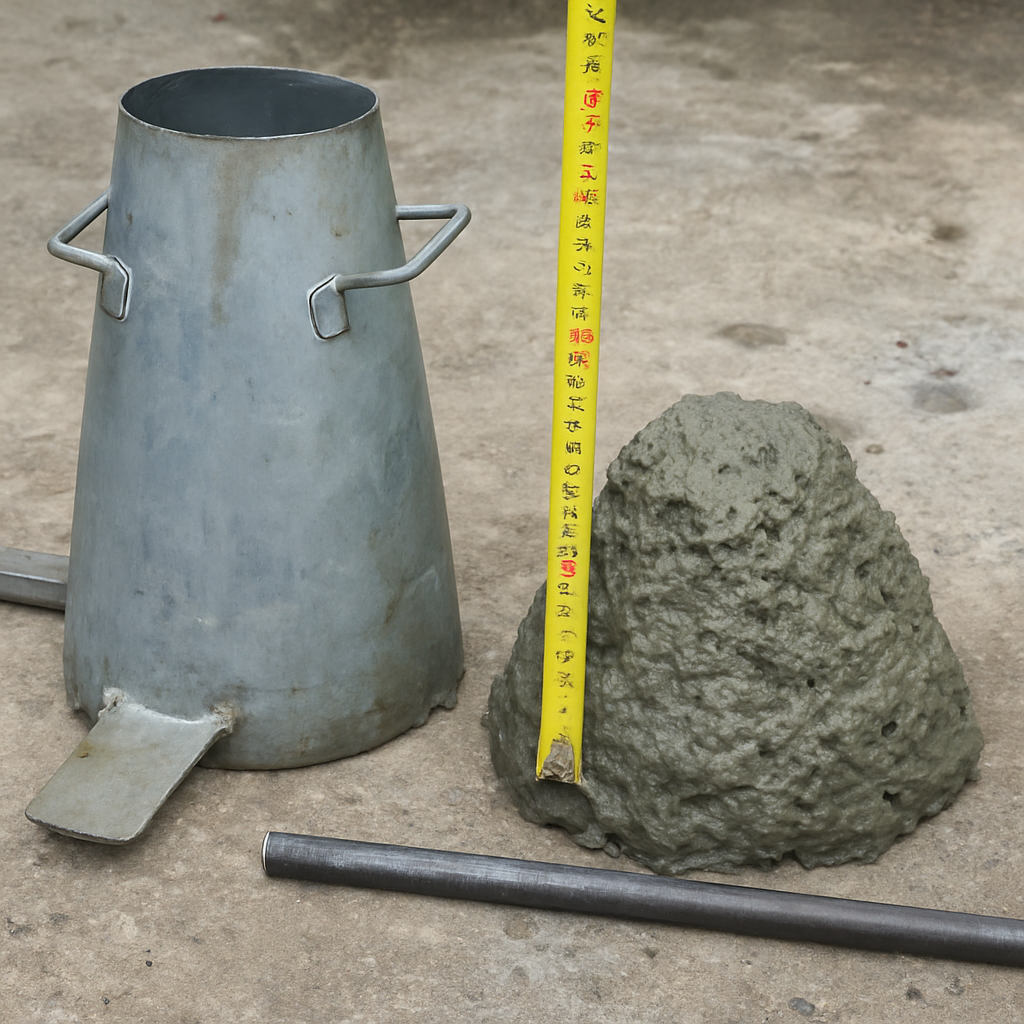
Pouring a foundation requires a similar mindset, acting much like a baker checking cake batter consistency. When concrete arrives in a mixer, workers perform what is known as a slump test. They fill a metal cone with wet concrete, pull the cone away, and measure how far the wet mound sags, or “slumps.” Conducting on-site material testing procedures like this verifies the mix isn’t too watery, which would make the final dried foundation weak and prone to cracking.
Catching these material inconsistencies early is the absolute best method for preventing structural defects during building construction. A foundation poured with soupy concrete or walls framed with damp lumber might look fine on day one, but they will inevitably cause thousands of dollars in future repairs like cracked drywall and sticking doors. Confirming the physical integrity of your materials acts as an insurance policy for your home’s skeleton.
Of course, even perfectly mixed concrete and bone-dry lumber are only as reliable as the hands installing them. Ensuring the crew meets these same high standards requires strict evaluation of subcontractor performance and responsibility.
Who Watches the Watchmen? Managing Subcontractor Performance and Responsibility
Figuring out who is responsible for quality control on a construction project can feel overwhelming for anyone outside the industry. Effectively managing subcontractor performance and compliance requires a “Responsibility Matrix”—a straightforward playbook assigning specific duties:
Subcontractor (Execution): The specialists (like plumbers or electricians) doing the physical labor.
Foreman (Supervision): The daily manager ensuring crews follow the blueprints.
Inspector (Verification): The independent expert grading the final results.
Clear expectations prevent sloppy work from slipping through the cracks. Near the end of the job, accountability relies on a “Punch List.” Think of this as the project’s final exam—a checklist of minor fixes, like poorly painted trim or a missing outlet cover, that workers must resolve before receiving final payment. A proper implementation of construction quality management systems guarantees these defects are meticulously documented and corrected before you move into the space.
Tracking all these moving parts and punch list items used to require mountains of messy clipboards. Today, modern builders rely on digital software to keep everyone honest, accountable, and on schedule.
The Digital Hard Hat: How Software Prevents $10,000 Rework Disasters
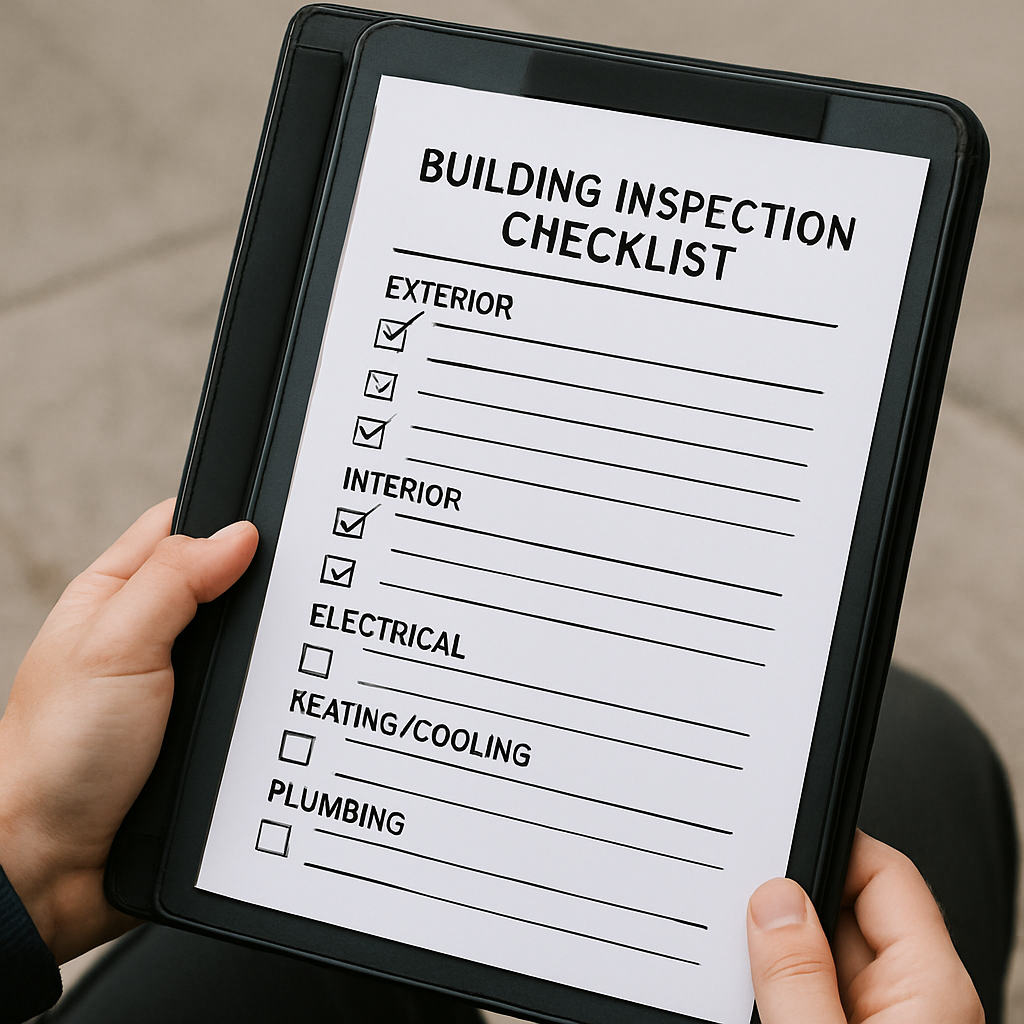
Imagine drywalling over a leaky pipe because a paper note blew away. Tearing down finished work to fix buried mistakes drains budgets fast. The benefits of using construction quality control software become obvious when builders swap clipboards for tablets. By keeping inspections in a centralized app, modern teams are reducing construction rework costs by at least 20 percent. This digital safety net ensures errors are caught before drywall goes up.
Furthermore, these platforms turn smartphones into accountability tools. When a window is crooked, a supervisor snaps a picture, instantly starting the non-conformance report documentation process to flag the specific problem. This visual proof eliminates arguments over who caused the issue and ensures it gets fixed. With the hidden layers safely recorded, the focus shifts to evaluating the visible finishes during structured site walks.
Your Project’s Final Exam: Turning Site Walks into Quality Results
A building site doesn’t have to be a chaotic puzzle. Proper implementation of construction quality management systems actively ensures long-term building longevity. Successful quality control happens long before the final coat of paint, especially when applied during routine site walks:
Check cleanliness: Ensure the site is tidy to prevent hazards and protect supplies.
Verify materials: Confirm that delivered goods match your expected standards.
Review the plan: Compare the physical progress directly against the blueprints.
Ask for tests: Request proof of material consistency and structural readiness.
Sign off: Document completed, correct work before the next phase begins.
Each time you apply these steps, you build confidence as an empowered observer. Quality control is a practical tool to create a culture of quality and stop costly errors in their tracks.
Newsletter Updates
Enter your email address below and subscribe to our newsletter