Before You Go — Get BRAND BOA Updates Top Products, Shed Plans & Estimating Tips
Join homeowners, DIY builders & contractors
Subscribe to receive construction product recommendations, shed plan updates, BOQ tips, and useful buying guides for tools, materials, finishes, and building essentials. We’ll help you discover selected products from trusted USA suppliers and share practical ideas to plan, price, and build smarter.
You’ve likely seen them on the sleek exterior of your local tech hub or that new high-end car dealership downtown—smooth, metallic surfaces that never seem to age. Those flawless modern exterior building facades are created using aluminum wall panels. In the construction world, this outer skin is known as “cladding,” serving as a structure’s primary raincoat against the elements.
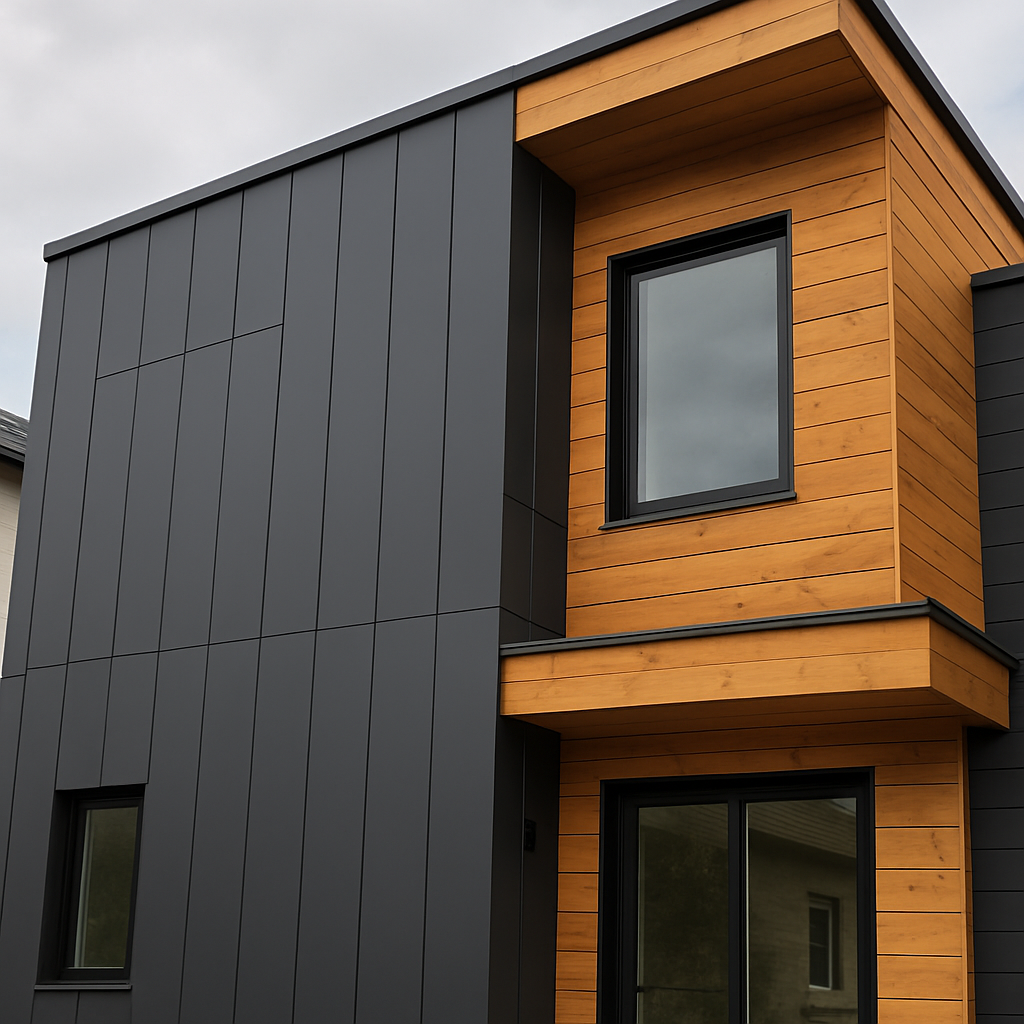
While you might assume metal walls would make a residential house look like a cold industrial warehouse, the reality is entirely different. According to current residential design trends, architects are increasingly bringing this resilient skyscraper material into suburban neighborhoods. When installed as aluminum siding, these panels dramatically upgrade your home’s “building envelope”—the critical protective boundary separating your cozy indoor living space from harsh outdoor weather.
Imagine finally reclaiming your summer weekends from the endless cycle of exterior scraping and painting. Unlike traditional wood that absorbs water like a sponge, or vinyl that often warps under intense sunlight, aluminum acts as a permanent shield against rot. In practice, homes wrapped in this metal significantly reduce long-term repair costs, granting you a durable, maintenance-free lifestyle without sacrificing curb appeal.
The ‘Oreo Cookie’ Secret: Why Aluminum Composite Materials Beat Solid Metal
When looking at large, flawless metal wall panels on modern homes or local storefronts, you might assume they are heavy, thick slabs of metal. In reality, builders use a clever design trick to keep the weight down while maintaining incredible strength over large surfaces.
Instead of using a heavy, single piece of metal—known as a solid plate—manufacturers created Aluminum Composite Material (ACM). Think of ACM like an Oreo cookie: it features two thin “skins” of aluminum tightly bonded to a solid center core made of a lightweight, rigid material. This sandwich design prevents the wavy, warped look that large metal sheets often suffer from in the hot sun. When choosing between aluminum composite material vs solid plate, consider these practical differences:
Weight: ACM is significantly lighter, reducing structural strain on your home and cutting down installation time.
Cost: Solid plate requires much more raw metal, making ACM a more budget-friendly option for covering large areas.
Best Use: Reserve solid plates for high-impact zones right at ground level, but use ACM for sweeping, flawlessly flat exterior walls.
Because this lightweight sandwich structure is so versatile, manufacturers can do incredible things with those outer layers, moving far beyond a basic silver finish to effortlessly mimic the warmth of natural building materials.
Ditching the Industrial Look: Mimicking Wood and Stone with High-Performance Coatings
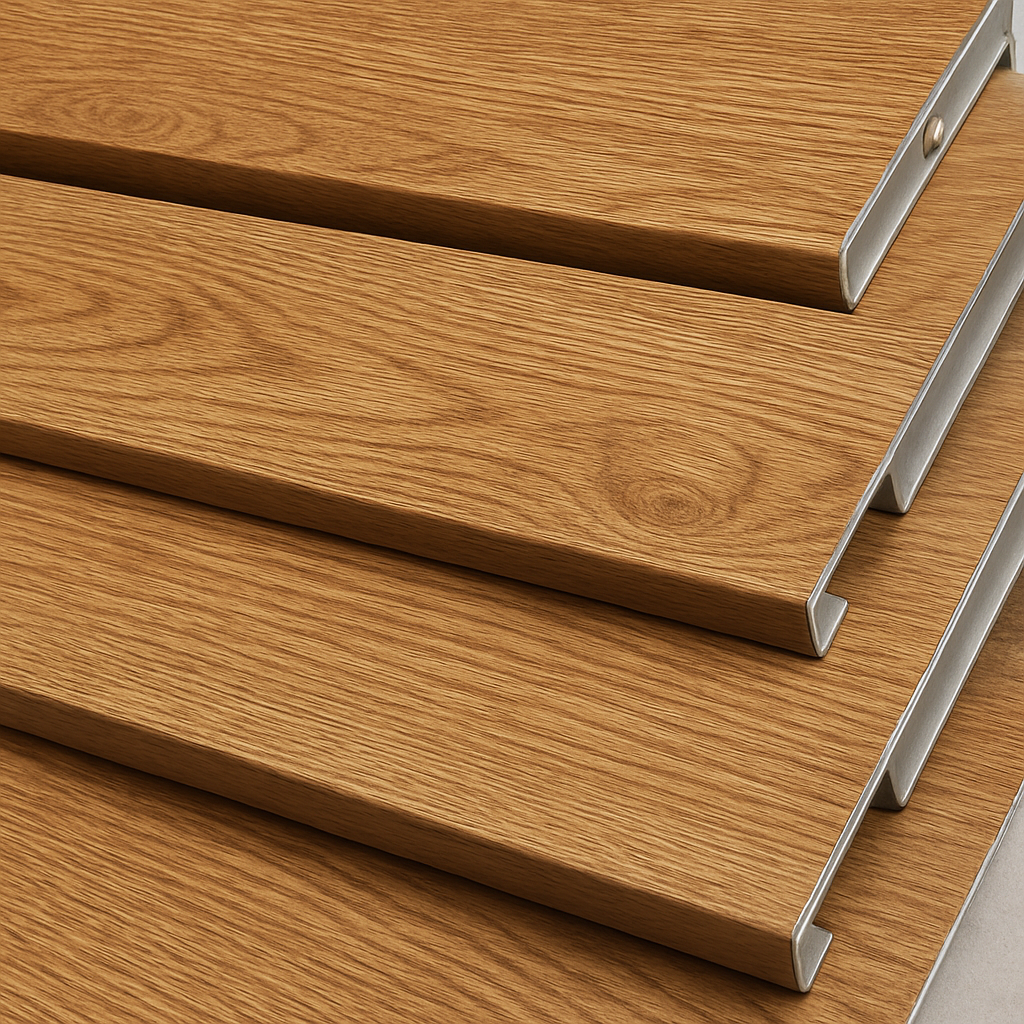
Many people picture a cold, silver warehouse when they think of metal siding, but modern decorative metal panels completely erase that industrial stereotype. Using an innovative heat-transfer process called sublimation, manufacturers can permanently bake hyper-realistic oak, cedar, or granite patterns directly into the aluminum. You get the inviting warmth of organic materials without ever worrying about termites, rotting wood, or costly annual staining.
Keeping those beautiful patterns from fading under relentless UV exposure requires something much stronger than standard house paint. When weighing pvdf coating vs powder coating, you are choosing between two heavy-duty factory finishes that easily outperform traditional liquid paints. Powder coating is applied as a dry dust and baked into a tough, scratch-resistant armor, making it ideal for high-traffic zones. Meanwhile, PVDF is a high-performance resin that acts like an industrial-strength sunscreen. It chemically bonds to the metal to ensure dark colors and rich wood tones stay vibrant for decades without turning chalky.
Bringing these natural textures indoors is just as impactful, as interior decorative metal surfacing creates stunning lobby walls or residential room accents that never require repainting. Whether mimicking a smooth marble slab or a rustic timber plank, the underlying metal acts as an impenetrable shield. This defense also holds up remarkably well when pushed to the absolute limits by harsh, salty coastal winds.
Surviving the Salt Air: How Anodized Surfaces and PVDF Coatings Kill Corrosion
Harsh coastal winds require a completely different defense strategy than simply applying a tough paint. While you already know that iron turns to flaky red rust when exposed to moisture, aluminum reacts to oxygen by instantly forming an invisible, microscopically thin oxide layer. This natural shield completely seals the metal underneath, stopping decay in its tracks. Because this barrier self-heals if scratched, choosing aluminum cladding means you permanently eliminate the expensive cycle of scraping and sealing, keeping thousands of maintenance dollars in your pocket over the life of the building.
To survive highly corrosive environments like a beachfront property, that natural armor needs an artificial boost. Through an electrical bath process called anodizing, manufacturers force the metal to grow an oxide shell thousands of times thicker than normal. One of the greatest anodized surface treatment benefits is how this diamond-hard layer acts as sacrificial protection, effortlessly preventing corrosion on architectural cladding when battered by salty ocean spray. Beyond shielding against harsh weather, modern exteriors must also intelligently regulate indoor environments when extreme temperatures soar or flames threaten.
The ‘Living Building’ Strategy: Managing Heat and Fire with Insulated Systems
You might think wrapping a home in metal creates a giant oven in summer or an icebox in winter. The reality is the exact opposite when using insulated wall panels. Think of these systems like a heavy-duty cooler: two tough aluminum skins securely bonded to a thick, insulating foam core. This sandwich design drastically boosts the wall’s R-value—a simple measurement of how well a material stops heat from escaping. By efficiently locking in your indoor climate, these panels keep energy bills low regardless of the weather outside.
Just like human skin reacts to heat, a metal exterior “breathes.” As sunlight hits the facade, the material naturally expands. Engineers measure this stretch using a thermal expansion coefficient to predict exactly how much the metal moves as temperatures change. Managing thermal expansion in metal walls requires installing panels with tiny, deliberate gaps between them. These hidden spaces give the aluminum room to safely flex, ensuring the smooth surface never warps or buckles on a scorching afternoon.
Safety is equally crucial, prompting the common homeowner question: are metal surfaces fire rated? Modern systems utilize a non-combustible core to create a highly protective barrier against unexpected emergencies. When selecting non-combustible building materials, you can easily verify their safety through standard industry tests:
ASTM E84: Proves the exterior panel won’t easily catch fire or spread flames.
NFPA 285: Ensures the overall wall assembly prevents a fire from traveling upward.
Getting these protective panels onto your walls relies on a simple process that functions almost like snapping together toy blocks.
The ‘Lego’ for Buildings: Simplifying Installation with Z-Clip and Rainscreen Systems
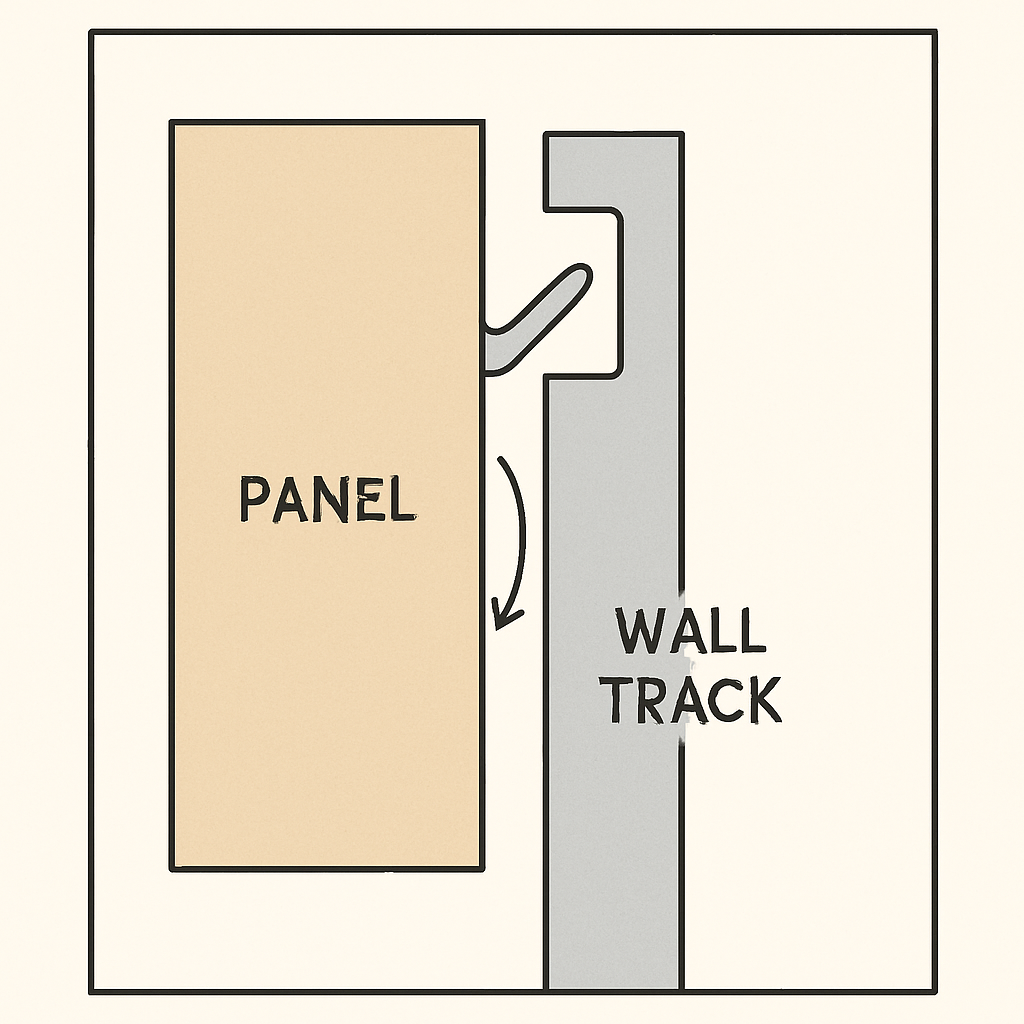
Installing metal siding systems does not require an engineering degree. The secret is a z-clip mounting system installation. Imagine hanging a heavy mirror using interlocking wooden cleats. Z-clips work similarly on a larger scale: one metal track securely fastens to your wall studs, and a matching clip on the back of the aluminum panel simply hooks right onto it. This interlocking hardware firmly holds the facade in place, creating a surprisingly DIY-friendly project for confident homeowners upgrading an exterior accent wall.
Beyond holding the metal securely, this hardware setup creates a crucial gap between the new siding and your home’s walls. This tiny space forms the foundation of a rainscreen system design. When harsh storms hit, a small amount of water inevitably sneaks behind any exterior cladding. Instead of soaking into wood and causing devastating rot, the rainscreen acts as a drainage plane. Gravity pulls trapped moisture down through the air gap, keeping your home’s structural bones completely dry.
Knowing your home naturally sheds water brings incredible peace of mind to any exterior renovation. You gain a sleek, modern aesthetic backed by a protective framework designed to easily outlast traditional materials, creating a durable foundation for long-term, low-maintenance living.
Your 30-Year Siding Plan: Making the Switch to Low-Maintenance Aluminum
You no longer have to view your exterior as a constant chore of scraping and painting. By understanding the true value of aluminum wall panels, you can now evaluate building materials based on their total cost of ownership rather than just the initial price tag. Ready to upgrade? Start your project by checking local building codes, requesting color samples, and comparing the long-term savings against traditional vinyl. As you plan these sustainable building envelope systems, keeping them pristine requires only a simple 3-step architectural metal panel maintenance guide:
Rinse: Gently wash away surface dust with a standard garden hose.
Inspect: Look closely for any scratched paint or loose trim once a year.
Clear: Remove leaves or debris from the bottom edges to maintain proper drainage.
Ultimately, choosing this highly recyclable material is an investment in both your free time and the environment. Transforming a basic exterior into a modern, weather-resistant shield effortlessly protects your home for decades.
Newsletter Updates
Enter your email address below and subscribe to our newsletter