Before You Go — Get BRAND BOA Updates Top Products, Shed Plans & Estimating Tips
Join homeowners, DIY builders & contractors
Subscribe to receive construction product recommendations, shed plan updates, BOQ tips, and useful buying guides for tools, materials, finishes, and building essentials. We’ll help you discover selected products from trusted USA suppliers and share practical ideas to plan, price, and build smarter.
The construction industry has historically been viewed as slow to adopt new technologies, relying heavily on clipboards, manual labor, and traditional blueprints. However, that narrative is rapidly changing. If you follow construction technology news today, you will immediately notice a massive, industry-wide shift toward digitization, automation, and data-driven decision-making.
From artificial intelligence managing site risks to robots laying bricks, the modern job site looks vastly different than it did even five years ago. Staying updated on construction tech news is no longer just for IT departments; it is essential for project managers, general contractors, and developers who want to remain competitive, cut costs, and improve safety.
In this comprehensive guide, we will explore the breakthrough innovations reshaping the built environment, highlighting the tools and strategies that are moving the industry forward.
The Dawn of a New Era: Emerging Contech Trends for 2026
As we look at the landscape of the industry, the emerging contech trends for 2024 are defined by connectivity and intelligent automation. The silos that once separated the design phase from the actual build phase are being torn down by integrated software platforms.
If you are keeping an eye on construction technology news updates, you know that the focus has shifted from merely adopting technology to integrating it. Companies are no longer buying isolated software for estimating, scheduling, and risk management. Instead, they are investing in unified ecosystems where data flows seamlessly from the architect’s desktop to the foreman’s tablet.
Actionable Tip for Leaders
Audit your tech stack: Before buying new software, evaluate your current tools. Ensure they feature open APIs that allow them to communicate with one another, preventing data silos.
Elevating Site Safety and Workforce Management
Safety remains the highest priority on any job site. Fortunately, recent construction tech news updates highlight incredible advancements in how we protect workers.
AI-Powered Risk Mitigation
One of the most fascinating developments is how artificial intelligence improves site safety. Today, AI-powered computer vision can integrate with site cameras to continuously monitor the environment. These systems can instantly detect if a worker is missing a hard hat or safety vest, or if they are standing too close to the edge of a trench. By catching near-misses and hazardous behaviors in real-time, safety managers can proactively train their crews rather than reacting after an incident occurs.
Smart Wearables
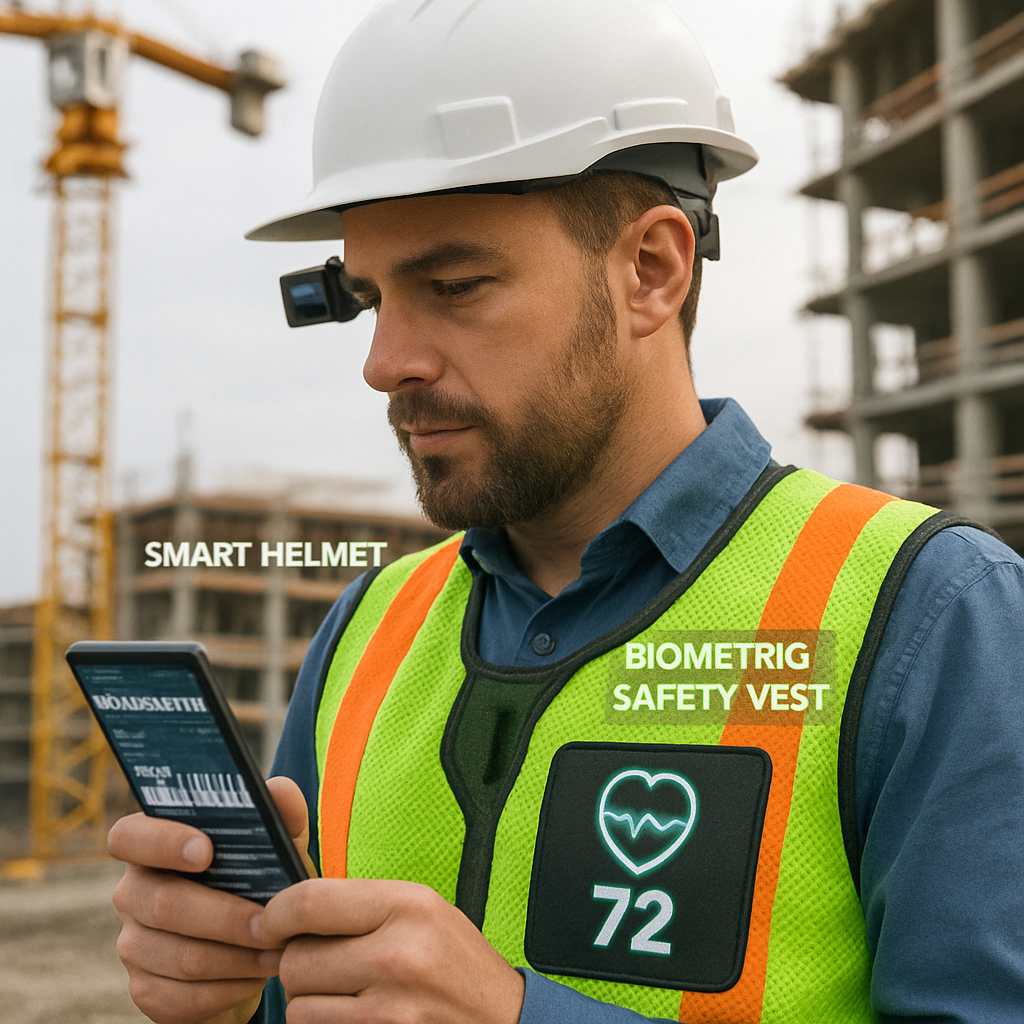
Alongside AI, smart wearable devices for field workers are becoming a staple on progressive job sites. These include:
Smart Helmets: Equipped with sensors that can detect impacts, falls, and even dangerous gas leaks.
Biometric Vests: Capable of tracking a worker’s heart rate and body temperature to prevent heat stroke during the grueling summer months.
Exoskeletons: Wearable mechanical suits that reduce the physical strain of repetitive heavy lifting, protecting workers from long-term musculoskeletal injuries.
Overcoming Challenges: Robotics and Automation
The construction sector has been battling a severe skilled labor shortage for years. However, technological interventions are providing viable solutions to keep projects on schedule.
Bridging the Labor Gap
The impact of robotics on labor shortages cannot be overstated. We are now seeing commercially viable robots capable of performing repetitive, physically demanding tasks such as tying rebar, hanging drywall, and laying bricks. While robots aren’t replacing human workers, they are acting as “co-bots”—taking over the exhausting tasks so that human workers can focus on complex problem-solving and quality control.
Traditional vs. Automated Methods
When comparing traditional vs automated building methods, the differences in speed and accuracy are staggering. Traditional methods rely on manual measurements and human stamina, which naturally fluctuate. Automated methods, however, deliver consistent output. For example, automated layout robots can print architectural plans directly onto the concrete floor at a millimeter level of accuracy, reducing human error and speeding up the framing process exponentially.
Heavy Duty Automation
Furthermore, autonomous heavy equipment developments are making waves in earthmoving and site grading. Self-driving excavators, bulldozers, and compactors use GPS and 3D models to move dirt with absolute precision. This not only speeds up the excavation phase but also significantly reduces fuel consumption and machine wear-and-tear.
Smart Job Sites: IoT and Software Integrations
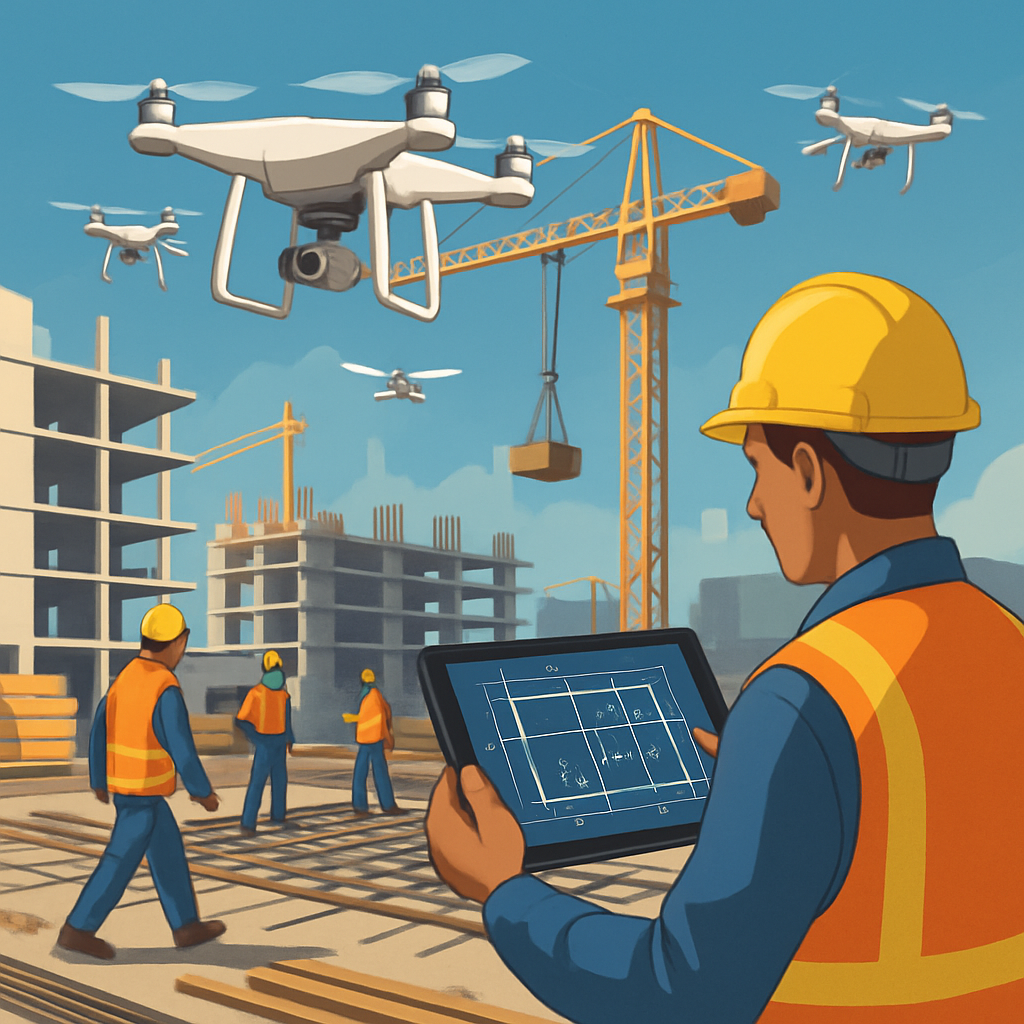
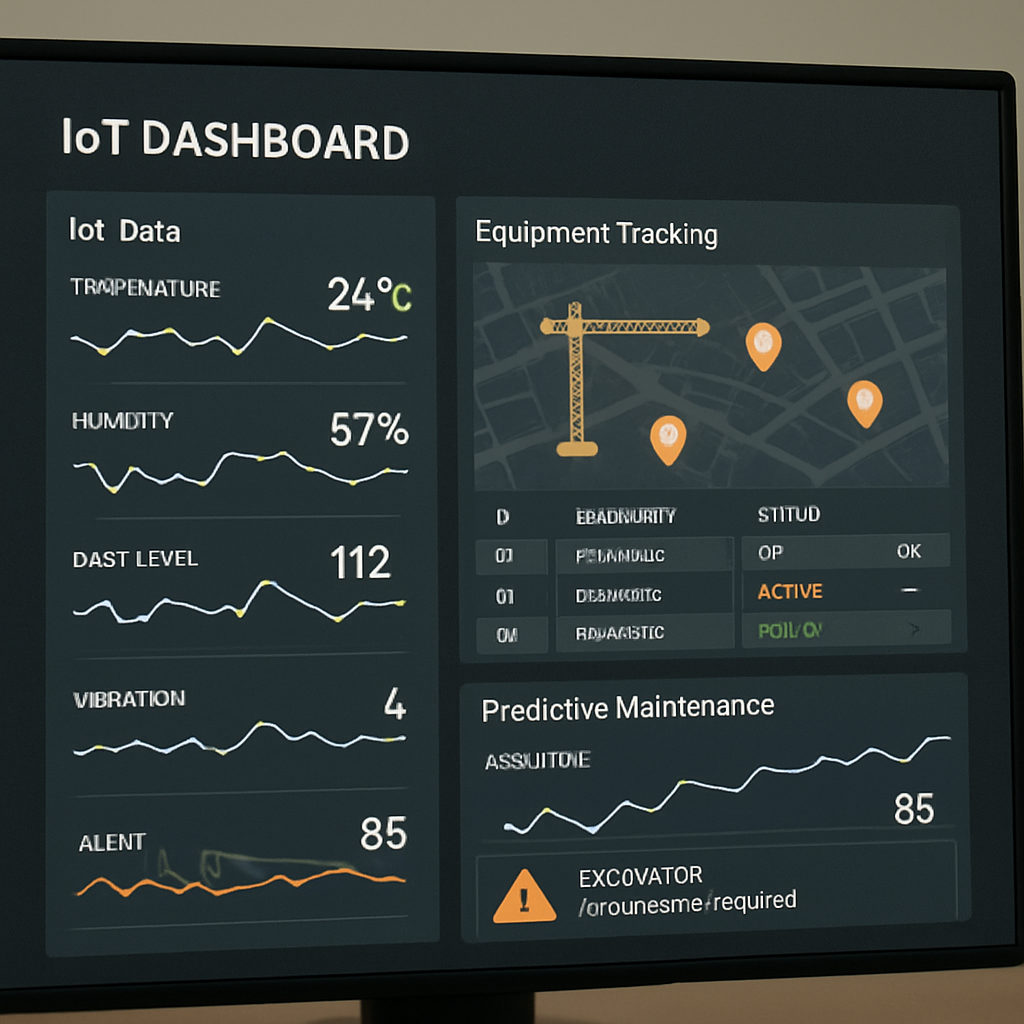
To run a truly efficient site, project managers need visibility into every moving part. This is where the internet of things for site monitoring comes into play. By embedding internet-connected sensors into materials, tools, and machinery, contractors can gain a bird’s-eye view of their operations.
Connecting the Field
If you read the latest construction software news today, you will see a massive push toward IoT dashboards. These platforms allow managers to track the exact location of expensive tools, monitor the curing temperature of concrete in real-time, and track the flow of materials entering the site.
Actionable example: Using IoT tags on high-value materials (like custom steel beams) allows project managers to track delivery times precisely, ensuring the crane and crew are ready exactly when the truck arrives, eliminating costly waiting times.
Proactive Machine Maintenance
Another massive benefit of IoT is predictive maintenance for machinery. Instead of waiting for a bulldozer to break down—which halts production and costs thousands in emergency repairs—sensors monitor engine temperatures, fluid levels, and vibration patterns. The software then alerts mechanics to perform maintenance before a catastrophic failure occurs.
Next-Level Planning: BIM, 3D Scanning, and Digital Twins
Before a single shovel hits the dirt, technology is already hard at work ensuring the project’s success. The planning and design phases have been completely revolutionized by spatial technologies.
BIM and Laser Scanning
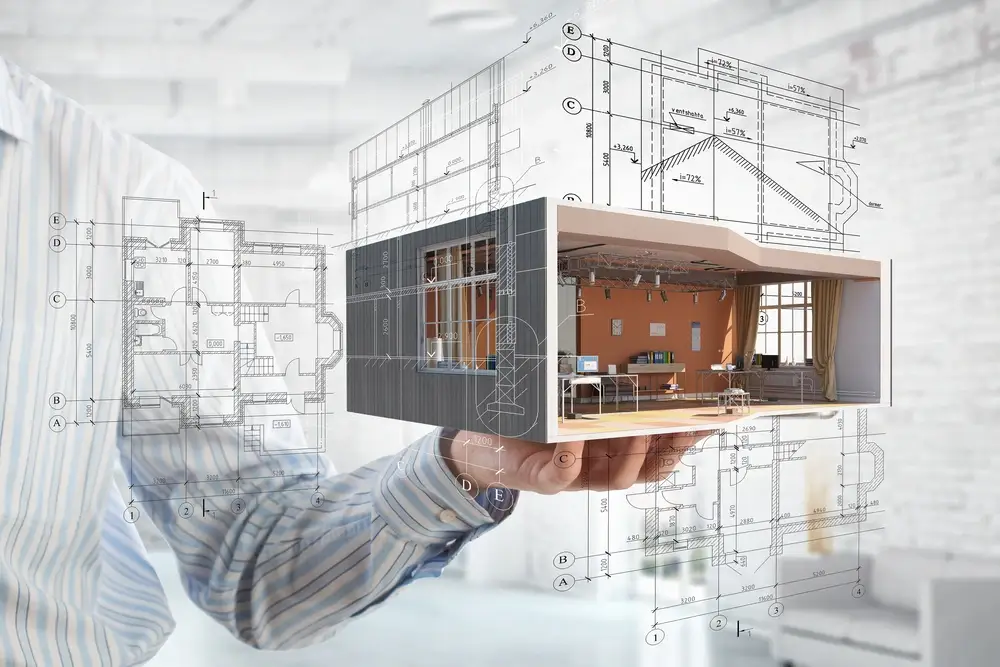
Implementing building information modeling workflows is no longer a luxury; it is a standard requirement for most commercial and government projects. BIM allows architects, engineers, and contractors to collaborate on a single 3D model, identifying “clashes” (e.g., a plumbing pipe intersecting an HVAC duct) long before construction begins.
To ensure the physical build matches the digital model, contractors are leveraging the benefits of real-time 3D laser scanning. By scanning the site daily or weekly, teams can compare the “as-built” reality with the BIM model. This catches slight deviations early, preventing incredibly expensive rework later in the project.
The Rise of Digital Twins
Taking BIM a step further, we are seeing incredible digital twin applications in infrastructure projects. A digital twin is a living, breathing digital replica of a physical asset. By connecting IoT sensors from a newly built bridge to its digital twin, engineers can monitor stress, traffic loads, and weather impacts in real-time, extending the lifespan of public infrastructure drastically. As seen in recent construction tech news today, digital twins are becoming the gold standard for lifecycle facility management.
Sustainability and Modern Building Materials
With the construction industry accounting for a significant portion of global carbon emissions, the push for greener building practices is stronger than ever. Sustainability is a recurring theme in top construction technology news platforms, highlighting a shift toward eco-friendly methodologies.
Minimizing the Footprint
One of the most immediate ways companies are going green is by reducing construction waste through digital tools. Advanced estimating software ensures that project managers order the exact amount of drywall, lumber, and steel needed, minimizing the scrap that ends up in landfills. Additionally, digital inventory tracking prevents materials from being lost or damaged on site.
Eco-Friendly Materials and Fabrication
There is also exciting progress regarding the latest sustainable building material innovations. We are seeing the rise of self-healing concrete, which uses bacteria to seal its own cracks, and cross-laminated timber (CLT), which offers the strength of steel with a fraction of the carbon footprint.
Furthermore, forward-thinking manufacturers are adopting carbon-neutral fabrication techniques. By utilizing renewable energy in their factories and recycling industrial waste into new building components, manufacturers are helping contractors meet strict green building certifications (like LEED).
The Future of Housing
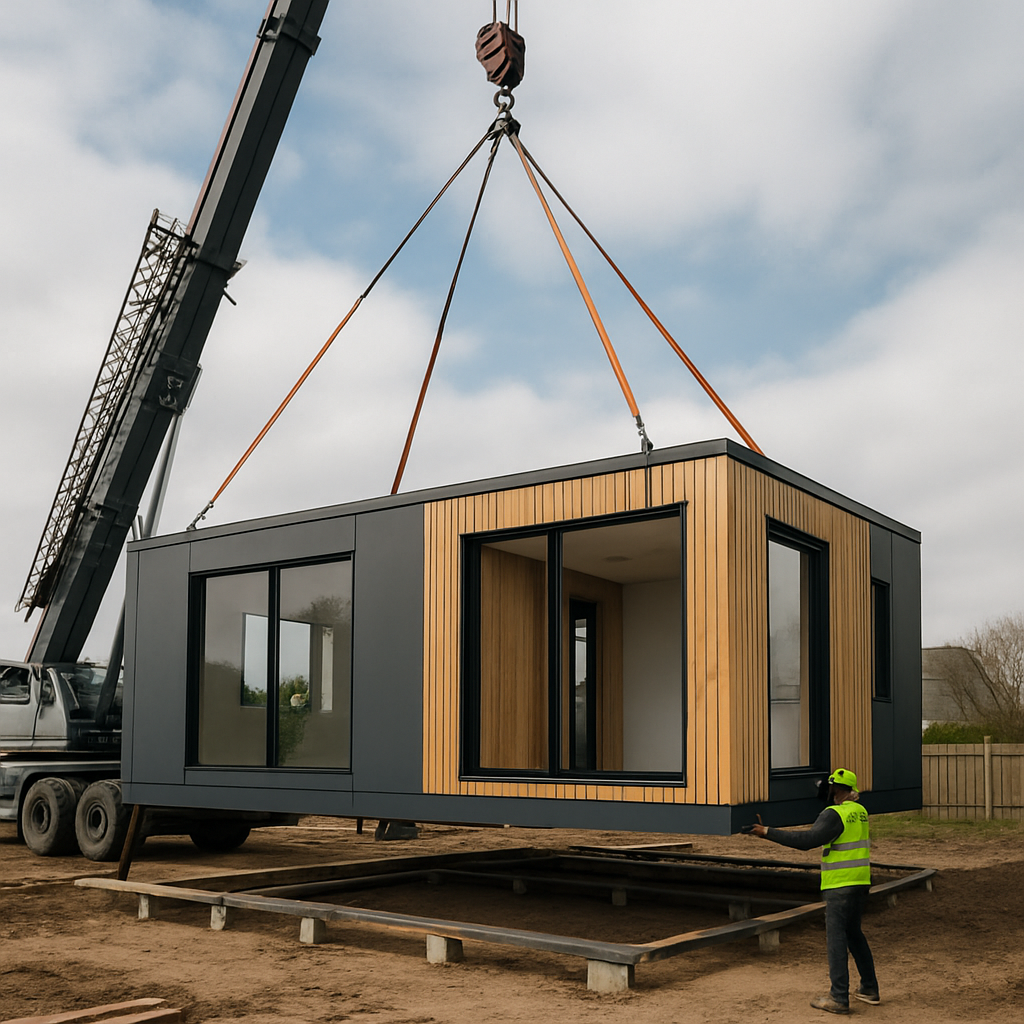
Finally, we must look at the future of modular and prefabricated housing. By moving the construction of housing units into a controlled, factory environment, builders can assemble homes faster, safer, and with nearly zero waste. Entire rooms—complete with plumbing, wiring, and paint—are built off-site and then stacked together on the property like Lego blocks. This approach not only slashes emissions but provides a highly scalable solution to global housing shortages.
Conclusion
The pace of innovation in the built environment is breathtaking. From the deployment of predictive AI to the integration of living digital twins, the tools at our disposal are more powerful than ever before. Anyone searching for construction technology news today will find an industry that is actively shedding its outdated reputation and embracing a safer, faster, and more sustainable future.
To stay competitive, construction firms must foster a culture of continuous learning. You don’t need to adopt every piece of tech simultaneously, but strategically implementing targeted solutions—whether that involves updating your BIM workflows or testing out safety wearables—can yield a massive return on investment. Keep a close watch on construction technology news, stay curious, and be ready to adapt. The future of construction is already here, and it is entirely di
Newsletter Updates
Enter your email address below and subscribe to our newsletter