Before You Go — Get BRAND BOA Updates Top Products, Shed Plans & Estimating Tips
Join homeowners, DIY builders & contractors
Subscribe to receive construction product recommendations, shed plan updates, BOQ tips, and useful buying guides for tools, materials, finishes, and building essentials. We’ll help you discover selected products from trusted USA suppliers and share practical ideas to plan, price, and build smarter.
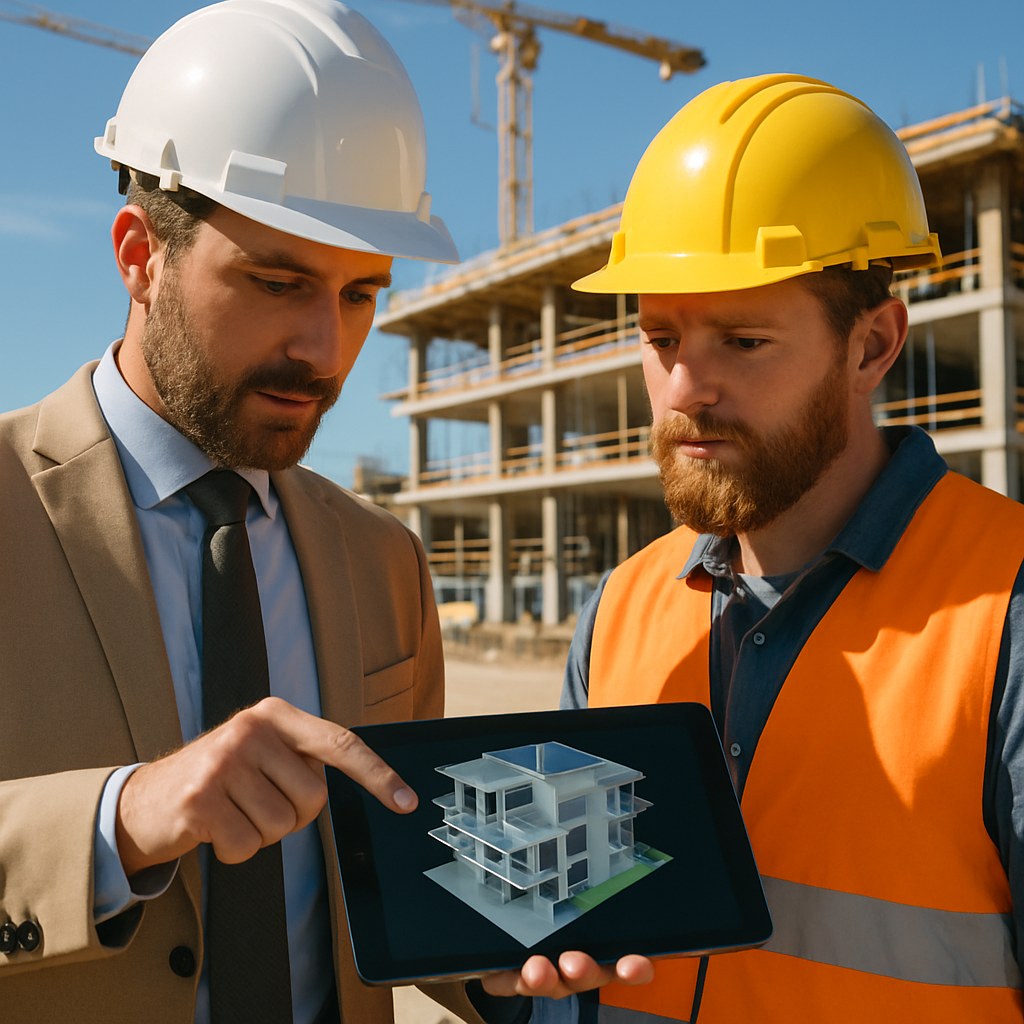
The image of a bustling job site used to be defined exclusively by the rhythmic pounding of hammers, the roar of diesel engines, and project managers clutching rolled-up paper blueprints. Today, that picture looks remarkably different. Drones survey the skies above, workers consult 3D models on rugged tablets, and autonomous machinery grades the earth with pinpoint accuracy.
The digital transformation in building industry practices has officially moved from a futuristic concept to an everyday reality. For contractors, developers, and engineers, understanding this shift is no longer optional—it is a critical component of staying competitive and profitable.
In this comprehensive guide, we will explore the core concepts of this industry shift, examine the innovative tools available today, and provide actionable advice on how to bring your job site into the future.
What Exactly is Building Tech? Exploring the Core Concept
To start, let’s establish a clear construction technology definition. In its simplest form, construction technology refers to the collection of innovative tools, machinery, software, and methods used during the planning, design, and building phases of a project.
Often referred to as building tech or construction tech, this broad ecosystem is designed to advance traditional building processes. It encompasses everything from the physical machinery moving dirt to the backend building technology networks that facilitate team communication.
In the era of modern construction, this technology is deployed to solve the industry’s most pressing challenges: labor shortages, stagnant productivity, squeezed profit margins, and strict environmental regulations. It is not just about having the latest gadgets; it is about leveraging construction innovation to build faster, safer, and smarter.
The Paradigm Shift: How is Technology Changing Construction Sites?
If you ask a veteran project manager, “how is technology changing construction sites?”, they will likely point to the sheer speed of communication and the unprecedented level of precision.
Historically, the construction sector was notoriously slow to adopt digital tools, often lagging behind manufacturing and agriculture. However, the last decade has seen an explosion of development. Today, site managers can monitor progress from thousands of miles away, architects can test the structural integrity of a building in a virtual environment before breaking ground, and physical labor is being optimized by intelligent machines.
1. The Digital Foundation: Software and Artificial Intelligence
The backbone of any modern project is robust construction software. We have moved far beyond basic spreadsheets into deeply integrated, cloud-based ecosystems.
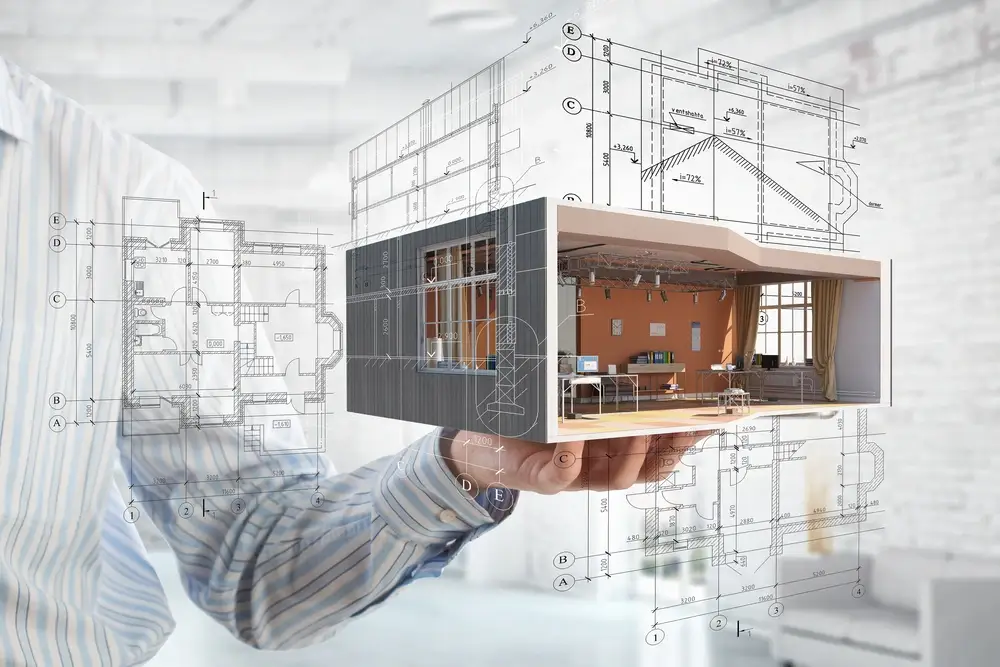
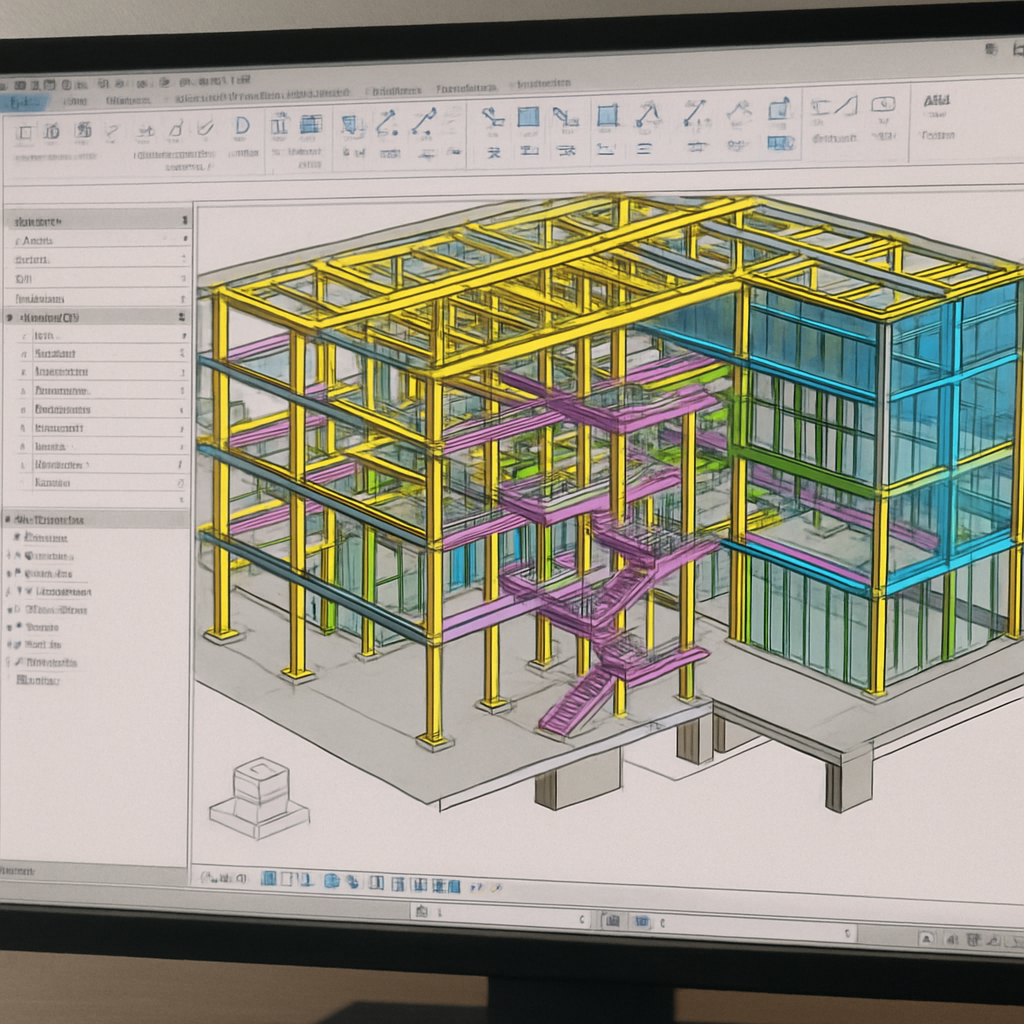
The Power of BIM: One cannot discuss digital building without highlighting the immense benefits of building information modeling (BIM). BIM goes beyond standard 3D design; it creates highly detailed, data-rich models that include electrical, plumbing, and structural frameworks. This allows teams to identify spatial clashes virtually, preventing costly rework during the physical build.
Smarter Planning: The role of artificial intelligence in preconstruction is rapidly expanding. AI algorithms can analyze decades of past project data to predict potential delays, optimize supply chain logistics, and generate highly accurate cost estimates.
Project Management Evolution: Utilizing new contech innovations for project management, teams can centralize communications, track daily logs, and manage RFIs (Requests for Information) instantly from mobile apps, ensuring that everyone from the stakeholder to the subcontractor is on the same page.
2. Physical Automation: Robotics and 3D Printing
While software plans the project, a new wave of physical construction tools is executing it.
Shifting the Labor Dynamic: The ongoing conversation regarding manual labor vs robotic construction is shifting from fear of job replacement to an embrace of collaboration. Robotic bricklayers, automated rebar-tying tools, and self-driving bulldozers are taking over highly repetitive or physically exhausting tasks. This allows human workers to focus on complex problem-solving and quality control, effectively mitigating the current skilled labor shortage.
Printing the Future: The impact of 3D printing on structural design is nothing short of revolutionary. Large-scale 3D printers can extrude specialized concrete mixtures to build load-bearing walls, foundations, and even entire homes in a matter of days. This technology allows architects to design complex, curved structures that would be prohibitively expensive to build using traditional formwork.
3. Next-Generation Materials
Technology isn’t limited to electronics; it also applies to what we are physically putting into the ground. The use of modern building methods and materials is changing the durability and lifecycle of buildings. Self-healing concrete (which uses bacteria to seal cracks), translucent wood, and cross-laminated timber (CLT) are making structures lighter, stronger, and significantly more resilient.
Safety and Sustainability: The Dual Benefits of Construction Tech
Beyond efficiency and cost savings, two of the most vital areas impacted by technology are environmental sustainability and human safety.
Building Green and Clean
The construction sector is historically a massive consumer of energy and generator of waste. Thankfully, sustainable green building technologies are turning the tide. Advanced software allows for dynamic energy modeling, helping architects design buildings that maximize natural light and retain heat. Furthermore, digital supply chain tracking ensures that materials are sourced ethically and waste is minimized through precise ordering.
Protecting the Workforce
Construction remains one of the most hazardous industries in the world, but tech is actively saving lives.
Automating Danger: We are drastically improving site safety through automation. Instead of sending a human worker up a precarious scaffold to inspect a roof, contractors can deploy a high-resolution drone to do the job safely from the ground.
Smart Wearables: The integration of wearable technology for field worker protection is a game-changer. Smart hard hats can detect impacts and instantly alert supervisors to a fall. High-visibility vests equipped with biometric sensors can monitor a worker’s heart rate and body temperature, sending alerts to prevent heatstroke before it happens.
The Power of Connectivity: IoT and Real-Time Data
A modern job site is a connected ecosystem. Through the deployment of smart sensors and internet of things in engineering (IoT), physical objects are now capable of collecting and sharing data.
Sensors attached to heavy machinery can monitor engine health, alerting mechanics to a failing part before the machine breaks down and halts the project. Sensors embedded in drying concrete can transmit real-time curing data directly to a smartphone.
This level of connectivity allows for real-time data monitoring for contractors. Instead of relying on weekly progress reports, site managers have a live dashboard showing where equipment is located, how much material has been used, and exactly how many hours have been logged by the crew. This eliminates guesswork and empowers data-driven decision-making.
Navigating the Shift: Implementation on the Job Site
Understanding the technology is only half the battle; bringing it into your organization requires strategy.
Recognizing the Roadblocks
It is important to acknowledge the challenges of adopting new construction software and hardware. The primary hurdles usually include:
High Initial Costs: Advanced technology requires an upfront capital investment.
The Learning Curve: Training a workforce that is accustomed to traditional methods takes time and patience.
Integration Issues: Ensuring that a new piece of software communicates properly with your existing accounting or HR systems can be technically complex.
A Quick Guide to Implementing Digital Tools On-Site
To successfully transition your team and reap the rewards of these innovations, follow this actionable guide to implementing digital tools on-site:
Start with a Pain Point, Not a Product: Don’t buy software just because it looks impressive. Identify your biggest bottleneck—is it equipment tracking? RFI delays? Safety incidents?—and find a specific technology that solves that exact problem.
Run a Pilot Program: Roll out the new technology on a single, manageable project first. Gather feedback from the field workers using it daily before deploying it company-wide.
Appoint Tech Champions: Identify tech-savvy employees within your crews and make them the “champions” of the new tool. Peers are much more likely to embrace a new system if they are being trained by a fellow field worker rather than an IT executive.
Prioritize Mobile-Friendly Interfaces: If the tool isn’t easily accessible on a smartphone or rugged tablet in the middle of a muddy site, it won’t be used. User experience is critical.
Measure and Celebrate ROI: Track the time or money saved by the new technology and share those wins with the team. Showing the tangible benefits encourages further adoption.
The Bottom Line
The definition of a hard day’s work in the building sector is evolving. As we look to the future, the reliance on building tech will only deepen. From AI-driven planning and the precision of 3D printing to the life-saving capabilities of wearable sensors, the tools at our disposal are more powerful than ever.
Embracing this digital revolution does not mean abandoning the foundational skills of the trade. Rather, it means giving skilled builders the ultimate tools to do their jobs safer, faster, and with unparalleled excellence. The construction companies that recognize this and strategically implement these technologies today will be the ones dominating the skylines of tomorrow.
Newsletter Updates
Enter your email address below and subscribe to our newsletter