Before You Go — Get BRAND BOA Updates Top Products, Shed Plans & Estimating Tips
Join homeowners, DIY builders & contractors
Subscribe to receive construction product recommendations, shed plan updates, BOQ tips, and useful buying guides for tools, materials, finishes, and building essentials. We’ll help you discover selected products from trusted USA suppliers and share practical ideas to plan, price, and build smarter.
Managing a modern construction site is a massive logistical puzzle. Between coordinating labor, procuring materials, and navigating tight deadlines, project managers already have their hands full. But one of the most significant variables determining a project’s profitability is the machinery itself. If you have ever lost track of a skid steer, dealt with a sudden excavator breakdown, or noticed sky-high diesel bills, you are likely asking: how does construction tech impact equipment management?
The short answer is that it transforms fleet operations from reactive, guesswork-driven tasks into precise, data-backed strategies. Modern tech in construction bridges the gap between the field and the office, providing unprecedented visibility into how, when, and where machinery is used.
Let’s dive into exactly how these digital innovations are revolutionizing fleet operations, boosting productivity, and protecting your bottom line.
The Evolution of Fleet Oversight: Leaving the Spreadsheet Behind
For decades, fleet managers relied on whiteboards, phone calls, and endless paper trails to keep track of their assets. Today, the debate of cloud-based asset management vs manual spreadsheets is officially over.
Manual tracking is highly prone to human error. A forgotten oil change or a misplaced piece of equipment can cost thousands of dollars in delays. By adopting modern construction management software, contractors can centralize their entire fleet operations into one accessible dashboard.
Using specialized equipment management tools, fleet managers can now log in from a smartphone or desktop to view comprehensive asset profiles. These platforms store digital warranties, compliance certificates, and repair histories, ensuring that anyone on the team can access vital information instantly. This single source of truth eliminates communication silos and allows for seamless handoffs between project managers, mechanics, and operators.
Unleashing the Power of Tracking and Telematics
One of the most immediate benefits of modernizing your fleet is gaining total visibility over your assets.
Real-Time Visibility and Security
Losing a piece of heavy machinery on a sprawling, multi-acre jobsite—or worse, having it stolen—is a nightmare. Implementing real-time heavy equipment tracking systems completely neutralizes this threat.
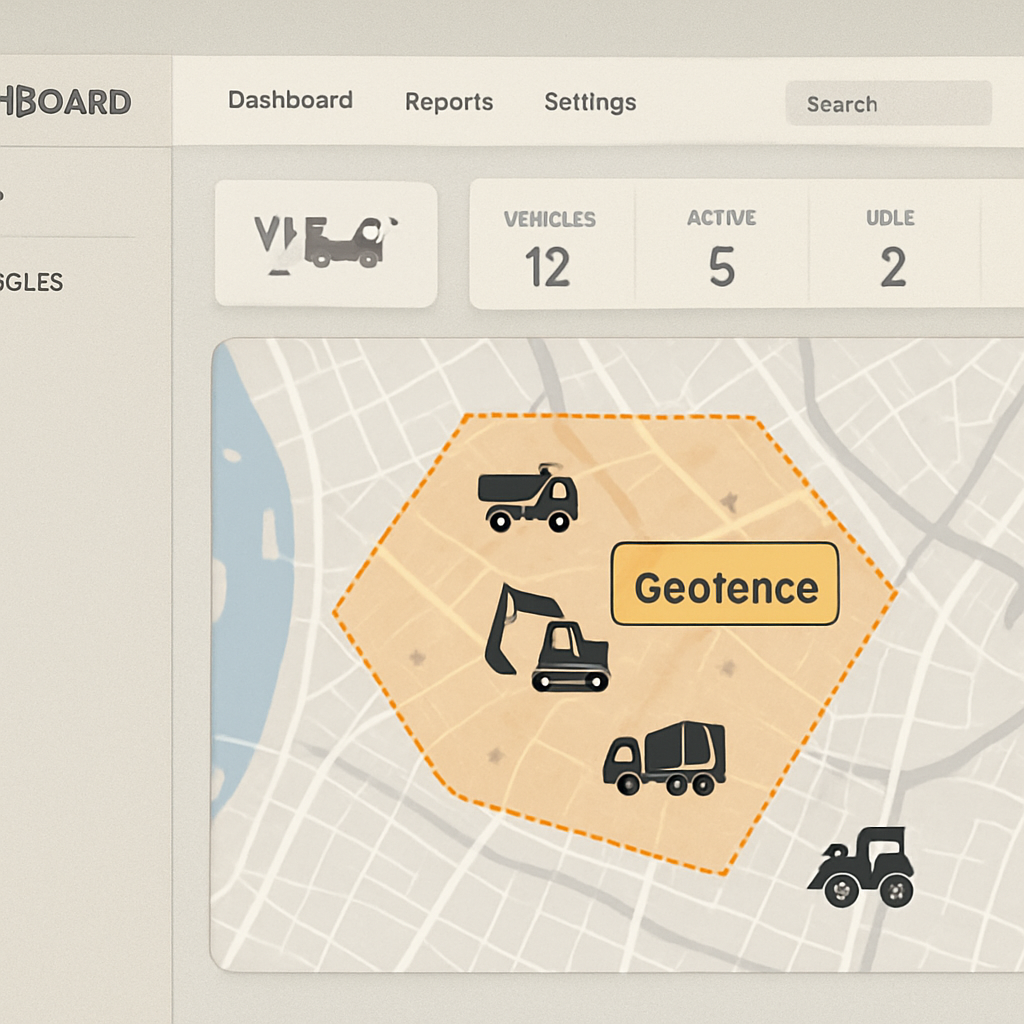
By utilizing the best GPS solutions for earthmoving equipment, contractors can pinpoint the exact coordinates of loaders, bulldozers, and cranes 24/7. But modern tracking goes far beyond simple location dots on a map. Fleet managers are heavily focused on minimizing unauthorized machine use with geofencing. By drawing digital boundaries around a jobsite, the software instantly triggers an alert if an asset crosses that invisible line, preventing theft and ensuring machinery isn’t used for unauthorized side jobs over the weekend.
Fuel Savings and Fleet Optimization
Fuel is one of the largest operating expenses for any construction company. To combat this, managers are leaning heavily on telematics data for fleet optimization.
Telematics devices plug directly into a machine’s diagnostic port, beaming data back to your equipment tracking solutions. This data reveals the critical difference between engine-on time and actual working time. By identifying machines that are left idling for hours, managers can coach operators on better practices, significantly lowering fuel consumption through construction technology.
Actionable Tip: Set up customized reports to flag equipment with idle times exceeding 20%. Targeting these specific machines can slash your monthly fuel bills and reduce unnecessary carbon emissions.
Proactive Maintenance: Stopping Breakdowns Before They Happen
Nothing halts a project’s momentum quite like an unexpected mechanical failure. Historically, maintenance was either reactive (fixing what broke) or strictly scheduled (changing parts based on calendar days, whether needed or not). Today, the paradigm has shifted.
The Rise of IoT and Smart Sensors
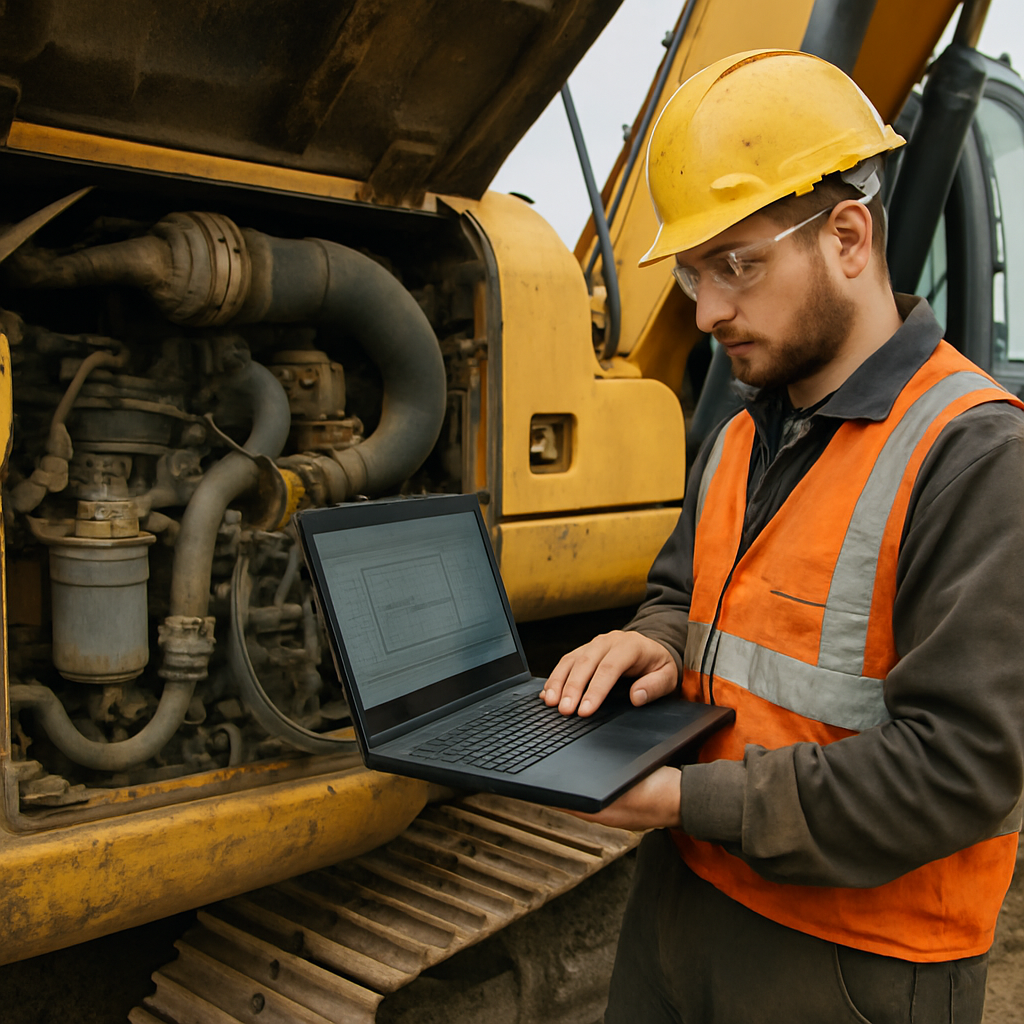
If you want to understand exactly how IoT reduces equipment downtime, look no further than the shift toward proactive fleet health. Internet of Things (IoT) devices act as a machine’s nervous system. By installing smart sensors for monitoring engine health, mechanics can track real-time variables like hydraulic pressure, coolant temperatures, and engine vibrations.
When these sensors detect anomalies—like an engine running slightly too hot—they trigger automated service alerts for heavy plant machinery. This allows your maintenance team to address a minor issue before it escalates into a catastrophic, expensive failure.
Remote Diagnostics and Predictive Maintenance
Taking this a step further, the industry is widely adopting predictive maintenance for construction machinery. Using machine learning algorithms, modern software analyzes historical performance data to predict exactly when a part is likely to fail.
When a warning light does illuminate on the dashboard, mechanics don’t necessarily have to drive to the site immediately. Using remote diagnostic tools for jobsite machinery, a technician can read the fault codes from the office, diagnose the problem, and ensure they pack the exact right replacement parts before ever dispatching a service truck. This drastically reduces the time a machine spends out of commission.
Enhancing Safety, Scheduling, and Lifecycles
Beyond maintenance and location tracking, the broad construction technology impact on equipment management extends into project planning, operator wellbeing, and long-term financial strategy.
Smart Scheduling and BIM Integration
On complex commercial builds, spatial planning is vital. We are now seeing the immense value of integrating BIM with equipment scheduling. Building Information Modeling (BIM) allows project managers to visualize the 3D construction process over time.
By linking your equipment management software to your BIM models, you can determine exactly when and where a massive crawler crane or a fleet of concrete mixers is needed. This prevents bottlenecks, ensures the site isn’t overcrowded, and massively boosts overall construction equipment efficiency. You no longer pay rental fees for machinery sitting idle waiting for its phase of the project to begin.
Protecting the Workforce
A well-managed machine is a safe machine. Technology is playing a major role in improving operator safety with site tech. Modern telematics track harsh braking, aggressive acceleration, and erratic operation, allowing managers to identify operators who may need additional safety training. Furthermore, integrating proximity sensors and 360-degree camera systems prevents jobsite collisions, ensuring both the operator and the ground workers go home safely every day.
Maximizing Asset ROI
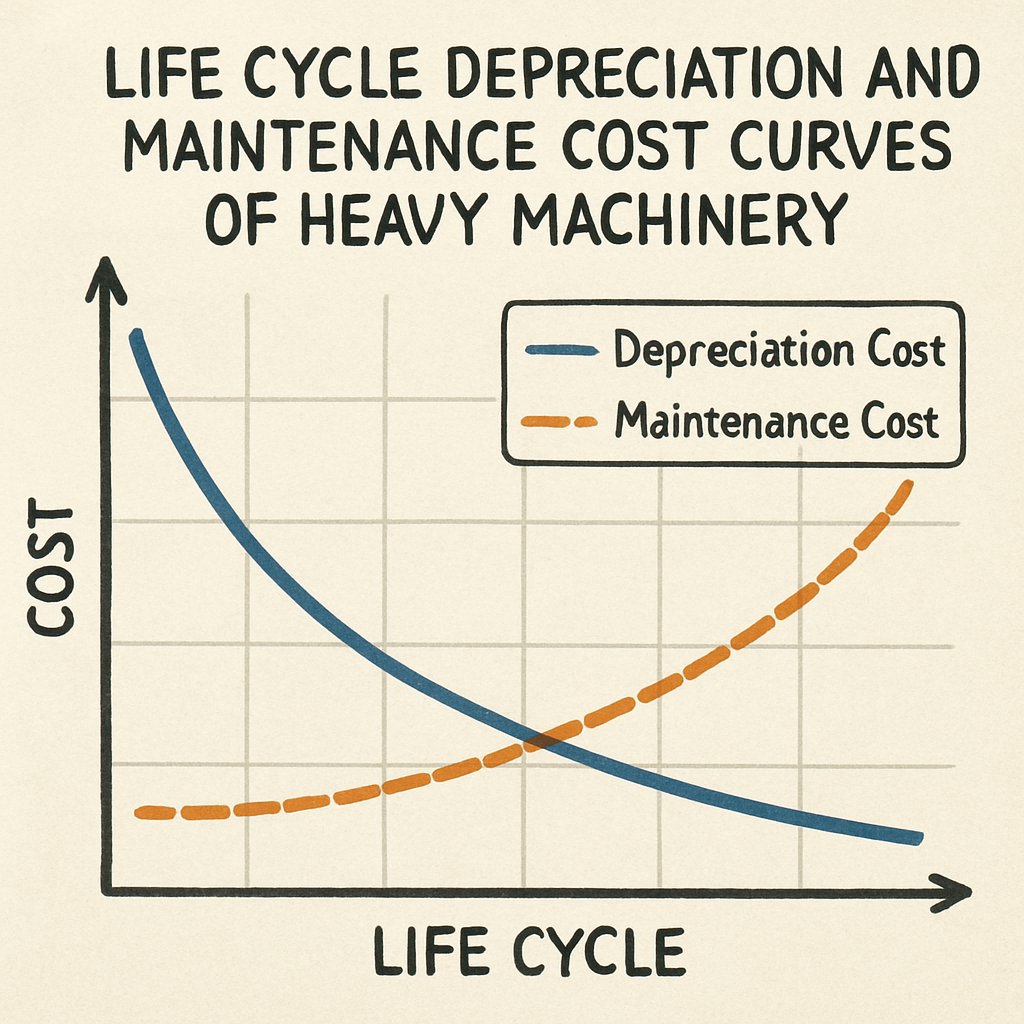
Every machine has a lifespan. Effective construction equipment life cycle management requires knowing the precise moment when a machine costs more to maintain than it generates in revenue. Because modern tech tracks every drop of fuel, every replaced hose, and every hour of utilization, fleet managers have the exact data required to make confident decisions about when to rebuild, sell, or scrap an asset.
Measuring the Value: Is the Investment Worth It?
Upgrading your fleet with sensors, software, and GPS trackers requires an upfront investment. However, conducting a thorough heavy equipment telematics ROI analysis usually paints a very clear picture of profitability.
Consider the financial returns:
Reduced Insurance Premiums: Many insurers offer discounts to companies utilizing anti-theft GPS and geofencing.
Lower Maintenance Costs: Catching a $200 hydraulic leak before it causes a $15,000 engine failure pays for the software instantly.
Increased Utilization: Moving underutilized machinery to sites that actually need them prevents unnecessary third-party rentals.
Fuel Efficiency: Cutting down idle time directly translates to thousands of dollars saved on diesel per month.
So, how does construction tech impact equipment management in the grand scheme? It turns your fleet from a chaotic cost center into a predictable, strategic advantage.
Conclusion
The construction industry is shedding its reputation as a technological laggard. The integration of software, telematics, and smart sensors into heavy machinery has forever changed the way contractors build.
From ending the reliance on manual spreadsheets to leveraging real-time data for predictive maintenance, the benefits are undeniable. By embracing these digital solutions, you empower your team to work safer, faster, and smarter. If you want to remain competitive in today’s fast-paced market, adopting advanced equipment management tech isn’t just an option—it’s the blueprint for future success.
Newsletter Updates
Enter your email address below and subscribe to our newsletter