Before You Go — Get BRAND BOA Updates Top Products, Shed Plans & Estimating Tips
Join homeowners, DIY builders & contractors
Subscribe to receive construction product recommendations, shed plan updates, BOQ tips, and useful buying guides for tools, materials, finishes, and building essentials. We’ll help you discover selected products from trusted USA suppliers and share practical ideas to plan, price, and build smarter.
If someone were to ask you, “what color is a brick,” your mind would likely jump straight to a classic, fiery crimson or a deep terracotta. But if you take a stroll through any historic neighborhood or modern architectural development, you will quickly realize that this question does not have a single answer. So, what is the color of a brick, really?
To accurately answer “what is brick colour” in today’s construction landscape, we have to look far beyond basic red. The true color of a brick is the result of a fascinating combination of geology, chemistry, and manufacturing techniques. Whether you are building a new home, restoring an old property, or simply curious about architectural design, understanding the vast brick color palette can completely transform the way you view these fundamental building blocks.
The Science Behind the Shade: What Determines Brick Color?
The final hue of a brick is never an accident. It is a carefully orchestrated result of natural elements and human engineering. Three primary factors dictate the final visual outcome of a newly manufactured brick.
1. The Mineral Composition of the Clay
The foundational element of any clay brick is the earth from which it is formed. The mineral composition of brick clay varies drastically from region to region, meaning that local geology plays the most significant role in a brick’s base color.
The most important factor is the iron oxide content in clay. When clay is rich in iron, it naturally leans toward warmer, reddish tones when fired. Conversely, clay that contains higher amounts of calcium (chalk) will fire to a lighter, yellowish-white hue.
2. The Firing Process and Temperature
The kiln is where the magic happens. A brick’s color is heavily influenced by the thermodynamics of the baking process.
Kiln firing temperature effects: As a general rule, the hotter the kiln, the darker the brick. Standard red bricks baked at extremely high temperatures will begin to take on deep purple, maroon, or even brown undertones.
Does kiln oxygen level affect brick shade? Absolutely. The amount of oxygen present in the kiln during the firing process dictates how the minerals in the clay react. A process called “flashing” involves intentionally restricting oxygen (creating a reducing atmosphere) at the end of the firing cycle. This prevents the iron from fully oxidizing, resulting in darker, blackened, or blueish bricks that add incredible character to a wall.
3. Additives and Enhancements
When natural clay does not produce the desired aesthetic, manufacturers introduce specific minerals before firing. The use of manganese and lime additives is incredibly common. Adding manganese dioxide can turn a standard red brick into a rich chocolate brown or even a stark architectural black. Lime, on the other hand, is often used to lighten the brick, pushing it toward pale yellows and whites.
Why Are Bricks Traditionally Red?
Despite the endless variations available today, if you ask a child “what color is a brick,” they will still hand you a red crayon. But why are bricks traditionally red?
The answer lies in historical convenience and chemistry. Throughout history, early brickmakers simply used the clay that was most abundant and accessible to them. Across much of the world, surface-level clay is incredibly rich in iron oxide (essentially rust). When this iron-rich clay is exposed to heat and oxygen in a kiln, it oxidizes, solidifying into that unmistakable, durable red color. Red bricks were historically the easiest, cheapest, and most reliable to produce, cementing their place as the global standard for centuries.
Exploring the Brick Color Chart
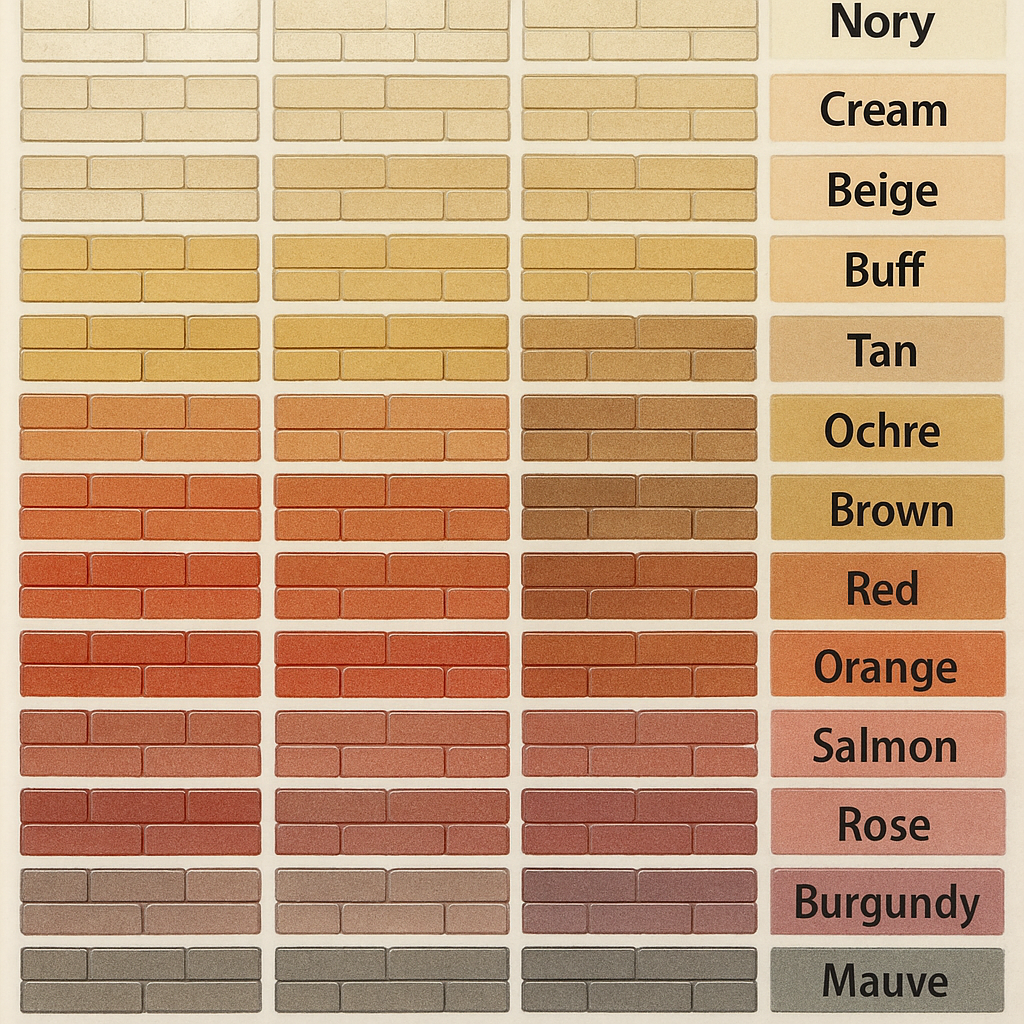
Today, architects and homeowners have access to an incredibly diverse modern brick color palette. When planning a build, professionals often consult a brick color chart to select the perfect aesthetic.
Here is a look at some common brick colors and their origins:
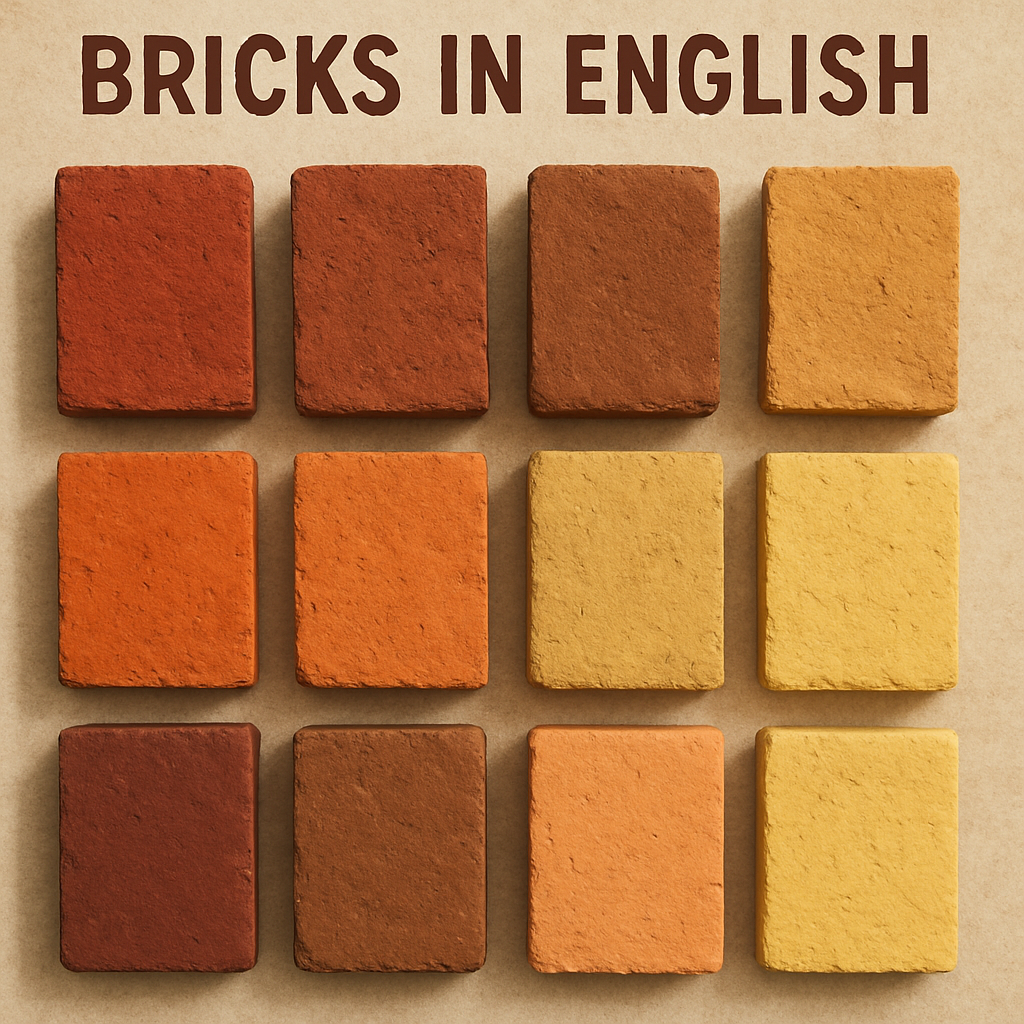
Classic Red: The standard, resulting from iron-rich clay fired in an oxygen-rich environment.
The London Stock Brick Yellow Hue: Walk through London, and you will notice the buildings are largely yellow. This iconic London stock brick yellow hue is due to the specific chalk-heavy clay found in the Thames basin, combined with the historical use of combustible ash in the brick mixture.
Brown and Chocolate: Often achieved by introducing manganese to iron-rich clay or by firing the bricks at substantially higher temperatures.
White and Cream: Created using clays with almost zero iron oxide, or by heavily integrating lime additives.
Black and Grey: A staple of the modern brick color palette, these are created through oxygen-deprived firing (flashing) or by adding high concentrations of dark mineral colorants.
Appreciating historical brick shade variations is also crucial. A brick made in the 1800s in Chicago will look vastly different from a brick made during the same era in Boston, simply because the local earth was chemically different.
Material Matters: Clay vs Concrete Brick Colors
When discussing types of bricks, it is vital to distinguish between traditional clay and modern concrete. The difference in manufacturing creates a distinct divide in clay vs concrete brick colors.
Clay Bricks:
Color is integral, meaning it runs all the way through the brick.
Hues are natural, earthy, and warm.
Colors are highly resistant to fading because they are baked into the material’s chemical structure.
Concrete Bricks:
Made from a mixture of cement, sand, and aggregate.
Color is entirely artificial, achieved by adding synthetic pigments to the concrete mix.
Can be manufactured in virtually any color imaginable, including unnatural bright blues or greens.
The color may fade slightly over time if the pigments are not highly UV resistant.
How Environmental Factors Affect Brick Appearance
Even after a brick is laid, its color is not entirely static. Environmental factors can alter how your masonry looks over the decades.
UV Resistance
One of the greatest advantages of traditional clay masonry is the incredible UV resistance of natural brick pigment. Because the color is a permanent chemical state achieved through intense heat, sunlight will not bleach or fade a natural clay brick. Concrete bricks, however, may slowly lose their vibrancy under harsh, direct sunlight if cheaper synthetic pigments were used during manufacturing.
Efflorescence
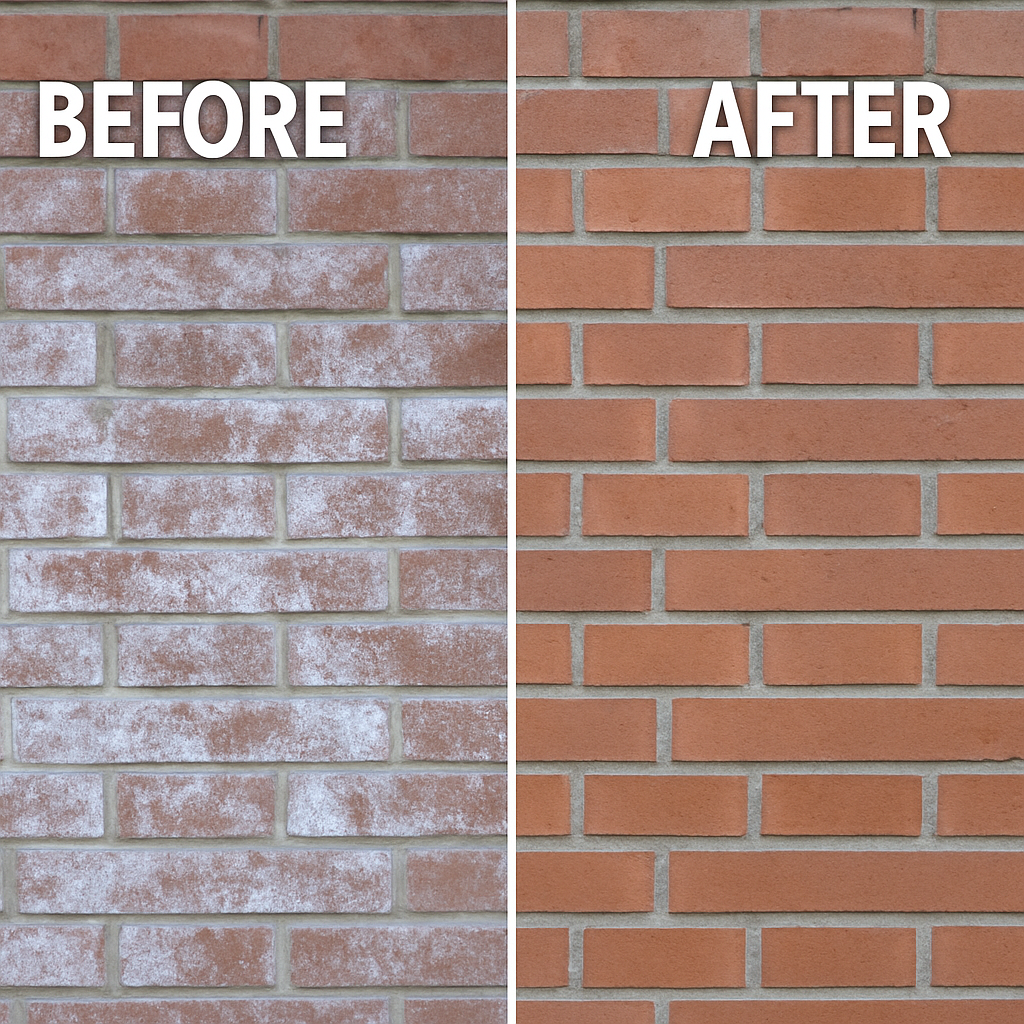
Have you ever noticed a chalky, white powdery substance on the outside of a brick building? This is known as efflorescence. The efflorescence impact on brick appearance can be quite dramatic, making rich red or dark brown bricks look faded, stained, or aged. Efflorescence occurs when water infiltrates the brick, dissolves natural salts hidden within the masonry or the mortar, and then evaporates on the surface, leaving the white salt deposits behind. While it drastically changes the color temporarily, it is usually harmless and can be brushed or washed away.
Fixing Discoloration
When it comes to fixing discolored exterior masonry, gentle restoration is key.
For dirt and pollution: Use a low-pressure wash with a mild masonry detergent.
For efflorescence: Use a stiff bristle brush (non-metallic) to dry-brush the salts away. If persistent, a heavily diluted white vinegar solution can neutralize the salts.
Avoid high-pressure power washing: This can strip the protective fired face off the brick, exposing the softer interior and permanently altering both the color and structural integrity of the brick.
Renovation and Restoration: Changing and Matching Colors
Homeowners often face two distinct challenges: trying to match an old wall, or wanting to completely change the color of an ugly one.
How to Match Existing Brick Colors
If you are building an extension or repairing a damaged wall, knowing how to match existing brick colors is a highly valuable skill.
Clean the existing wall first: Years of grime can make a red brick look brown. Always match your new bricks to a newly cleaned section of the old wall.
Look closely at the variation: A brick wall is rarely one solid color. It is a blend. You need to match the range of colors, not just a single brick.
Don’t forget the mortar: The color of the mortar dictates up to 20% of the wall’s visual surface area. A dark brick with white mortar looks entirely different than the same brick with dark grey mortar.
Consult a brick matching service: Many modern brick suppliers offer bespoke matching services, using their deep knowledge of historical brick shade variations to source reclaimed bricks or custom-fire new ones to blend seamlessly with your property.
Painted Versus Stained Brick Finishes
If you are entirely unhappy with your current masonry, you have options. But understanding the difference between painted versus stained brick finishes is critical for the health of your home.
Painting Brick: Painting coats the surface of the brick in an opaque film. While it gives you total control over the color (you can paint a house bright white or deep navy), it traps moisture. Bricks need to “breathe.” If you use standard latex or acrylic paint, moisture can get trapped behind the paint layer, leading to peeling, flaking, and even the eventual crumbling of the brick itself (spalling). If you must paint, always use a specialized, breathable mineral silicate paint.
Staining Brick: Staining is widely considered the superior option for changing brick color. Unlike paint, brick stain penetrates the pores of the clay, permanently dyeing the material without suffocating it. It maintains the natural texture and breathability of the brick. Staining is excellent for taking lighter bricks to a darker shade, or for unifying a wall where the bricks are mismatched.
The Final Takeaway
So, the next time someone asks you, “what color is a brick,” you will know that the answer is far more complex than just a simple color swatch.
From the specific mineral composition of the earth and the intense heat of the kiln, to regional historical trends and modern manufacturing enhancements, a brick’s color tells the story of how it was made. Whether you are admiring the iconic London stock yellow, a sleek architectural black, or the warm, traditional reds that have built civilizations, understanding the beautiful variations in masonry allows you to make smarter, more aesthetic choices for your own home projects.
Newsletter Updates
Enter your email address below and subscribe to our newsletter