Before You Go — Get BRAND BOA Updates Top Products, Shed Plans & Estimating Tips
Join homeowners, DIY builders & contractors
Subscribe to receive construction product recommendations, shed plan updates, BOQ tips, and useful buying guides for tools, materials, finishes, and building essentials. We’ll help you discover selected products from trusted USA suppliers and share practical ideas to plan, price, and build smarter.
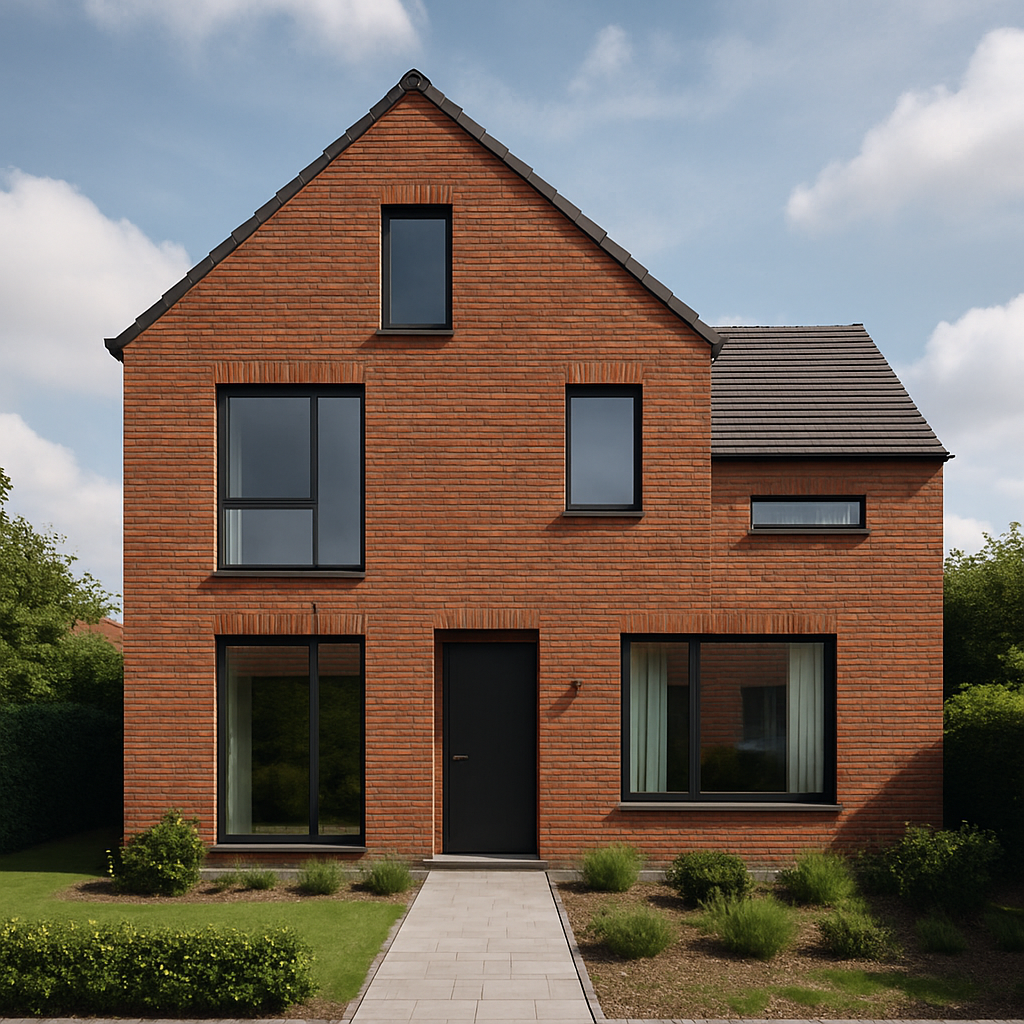
Whether you are planning to build your forever home, design a stunning garden wall, or construct a cozy outdoor fireplace, brick remains one of the most timeless and durable materials you can choose. However, before you break ground, you need a clear understanding of your budget. The global supply chain, regional manufacturing, and labor markets have all shifted recently, making it crucial to understand the current trends in bricks price.
In this comprehensive guide, we will break down exactly how much do bricks cost, explore the hidden fees of masonry, and provide practical tips for estimating your project accurately.
The Basics: How Much Do Bricks Cost?
When mapping out a construction budget, the first question on most homeowners’ minds is simply: how much does brick cost?
The answer depends heavily on how you are purchasing them. When you break down the raw cost, a brick might seem incredibly inexpensive—often ranging between $0.40 and $0.90 for a basic clay unit. However, unless you are doing a tiny repair, you will never buy bricks one by one. Masonry projects require volume.
Buying in Bulk
Suppliers typically price bricks in large quantities. Here is how bulk pricing generally breaks down:
Cost per thousand red bricks: In the masonry industry, pricing is frequently quoted per 1,000 units (often abbreviated as “per M”). Depending on the style and quality, you can expect the cost per thousand red bricks to range from $400 to $900.
Pallet pricing: If you are tackling a mid-sized project, you might wonder, how much does a pallet of bricks cost? A standard pallet usually holds around 500 to 530 standard-sized bricks. Therefore, a pallet will typically cost between $200 and $450, not including delivery.
Analyzing Brick Cost Per Square Foot
While buying by the thousand is how suppliers sell, homeowners and contractors usually plan their projects by area. Understanding the brick cost per square foot is the easiest way to estimate your total material budget.
For standard-sized building bricks, it takes about 6.5 to 7 bricks to cover one square foot of wall space (including the mortar joints). Based on this coverage, the brick cost per sf usually lands between $4 and $8 for the materials alone.
Keep in mind that this brick price per square foot only covers the clay units. It does not include the mortar, wall ties, vapor barriers, or the labor required to install them.
Types of Bricks and Their Pricing Variations
Not all bricks are created equal. The specific type, size, and function of the masonry unit will dramatically impact your overall bricks price.
Face Bricks vs. Common Bricks
When pricing out a wall, understanding the face bricks vs common bricks cost difference is essential.
Common Bricks: Also known as building bricks, these are used for structural purposes where they will be hidden from view. They are rougher, less uniform, and generally cheaper.
Face Bricks: These are manufactured with aesthetics in mind. They feature specific textures, sharp corners, and consistent color profiles. Because they are designed to be the visible “face” of your home, face bricks carry a premium price tag.
Sizing and Dimensions
The standard brick dimensions and cost go hand in hand. A standard modular brick in the U.S. measures roughly 3 5/8″ x 2 1/4″ x 7 5/8″. If you opt for “king” or “engineer” bricks, which are larger, they cost more per unit. However, because larger units require fewer bricks (and less labor) to cover a square foot, they can sometimes lower your overall project cost.
Specialty Bricks
If your project requires specific aesthetics or functional capabilities, you will need to look at specialty bricks:
Reclaimed Bricks: Vintage or salvaged bricks offer unmatched historical charm. However, the reclaimed bricks cost per square foot is often significantly higher (sometimes $10 to $20+ per sq ft) because they must be manually sourced, cleaned, and sorted from old demolition sites.
Fire Bricks: If you are building a pizza oven or a chimney, you need refractory bricks that can withstand extreme heat. A durable fire brick cost breakdown usually shows these units costing anywhere from $1.50 to $3.00 per brick, making them strictly for high-heat zones rather than entire homes.
Insulating Bricks: Modern green building practices have introduced energy efficient insulating brick types. These bricks are designed with air pockets or specialized materials to provide higher thermal resistance (R-value). While they save on HVAC costs in the long run, they require a higher initial investment.
Comparing Alternatives: Are Bricks Your Best Option?
As material costs fluctuate, savvy builders often compare traditional masonry against modern alternatives.
AAC Blocks vs Red Clay Bricks
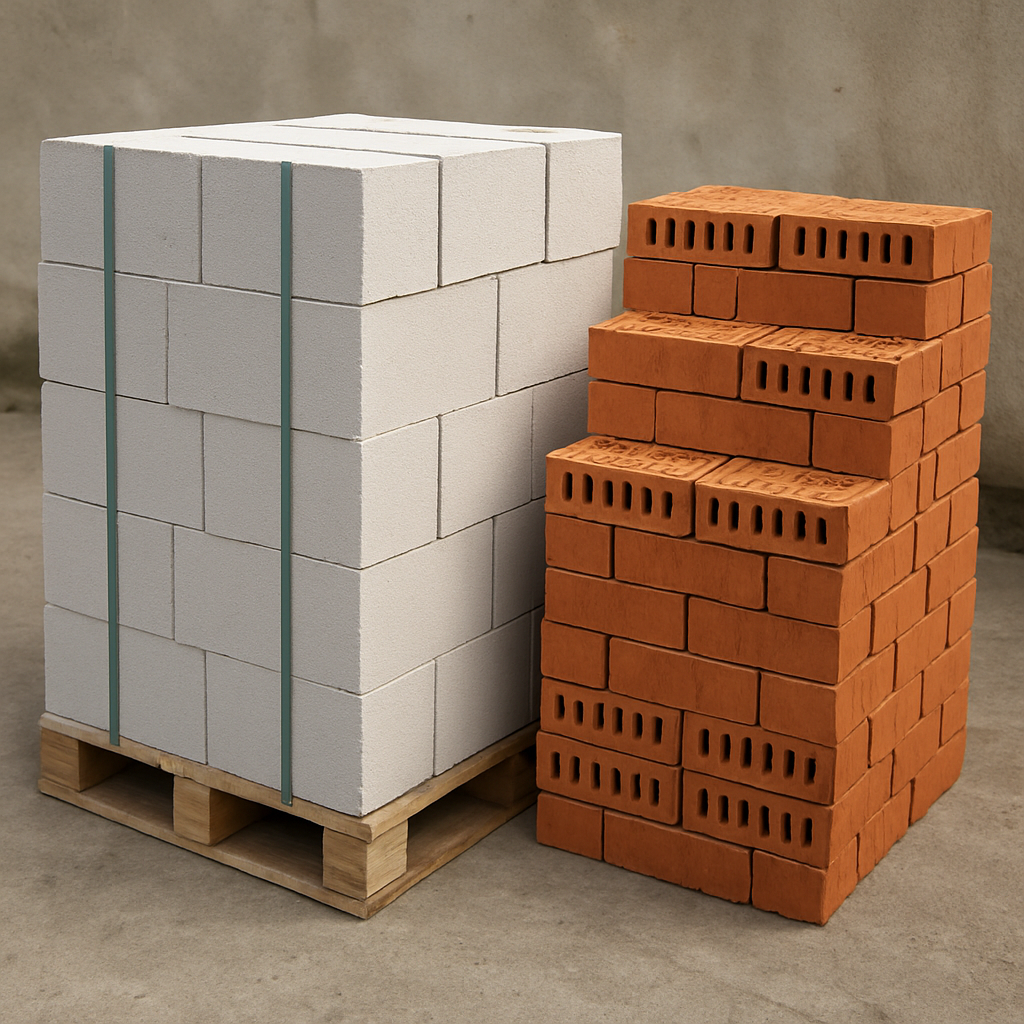
In recent years, the debate of AAC blocks vs red clay bricks has become increasingly common in residential construction. Autoclaved Aerated Concrete (AAC) blocks are large, lightweight, precast building materials that offer excellent insulation.
Pros of AAC: They are up to three times lighter than red clay bricks, which speeds up construction and lowers labor costs. They also offer superior insulation.
Pros of Clay Bricks: Traditional red clay offers better compressive strength, unmatched aesthetic appeal, and extreme longevity.
Siding Alternatives
If you find that the total bricks price exceeds your budget, you might need to explore budget friendly siding alternatives. Vinyl siding, engineered wood, and fiber cement boards can offer beautiful exteriors at a fraction of the cost of full masonry. Alternatively, you can use brick veneer—thin slices of real brick applied like tile—to achieve the look of a solid brick wall without the heavy structural requirements and costs.
What Factors Affect Masonry Material Expenses?
When wondering what factors affect masonry material expenses, it is important to look beyond the factory price. Several logistical and market elements will influence your final bill.
Geographic Location: Bricks are manufactured from local clay. If you live far from a brick kiln, the price will automatically be higher.
Color and Dye: Natural red clay is the most abundant and affordable. Bricks that are dyed white, gray, or black require additional manufacturing steps and cost more.
Wholesale Masonry Supply Discounts: If you are building an entire home, never pay retail prices. Contractors and savvy homeowners can negotiate wholesale masonry supply discounts, saving 10% to 20% by ordering materials by the truckload.
Delivery Fees: Do not underestimate logistics. Delivery fees for heavy building materials can be exorbitant. A single pallet of bricks weighs over 2,000 pounds. Transporting several tons of masonry requires specialized flatbed trucks and forklifts, which can add hundreds of dollars to your overall materials budget.
Planning Your Build: Estimates and Quantities
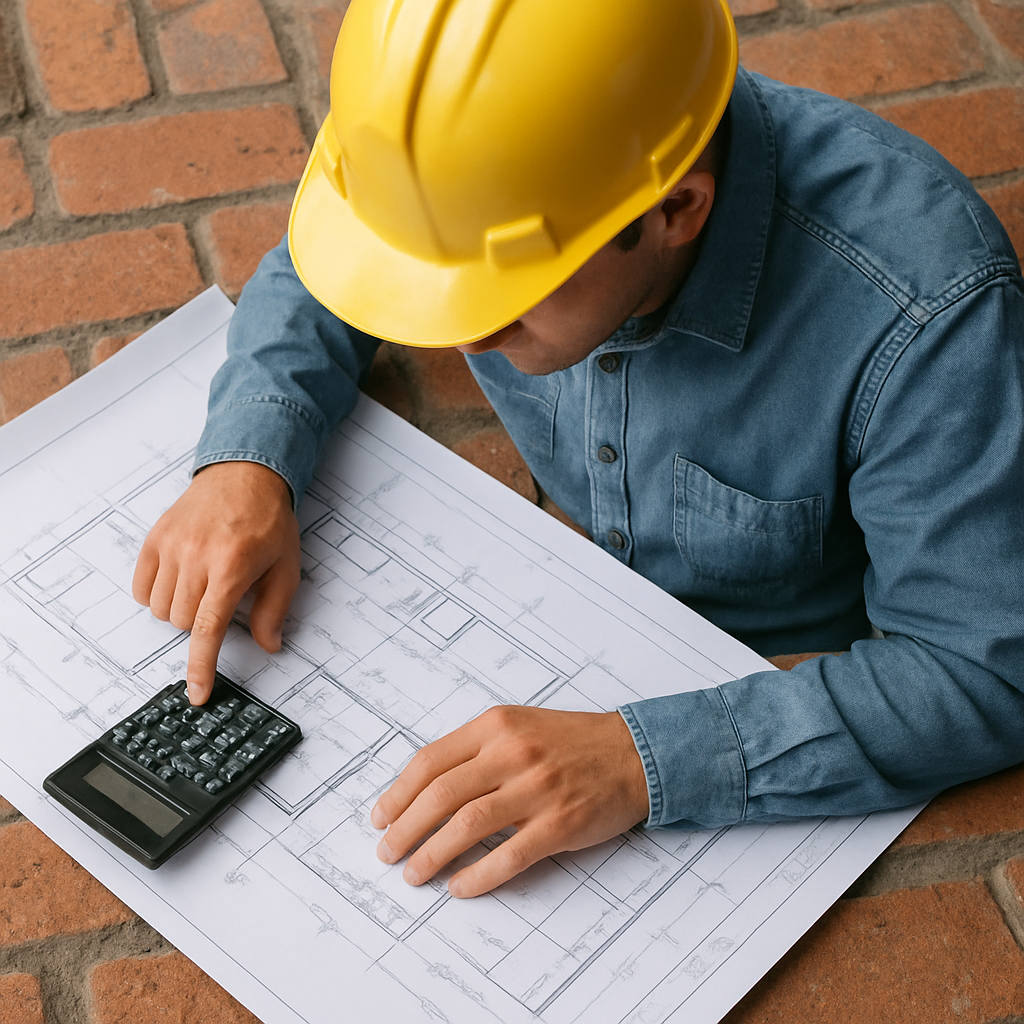
Accurate planning prevents mid-project delays and overspending. If you are serving as your own general contractor, you must master the art of the estimate.
Calculating Your Bricks
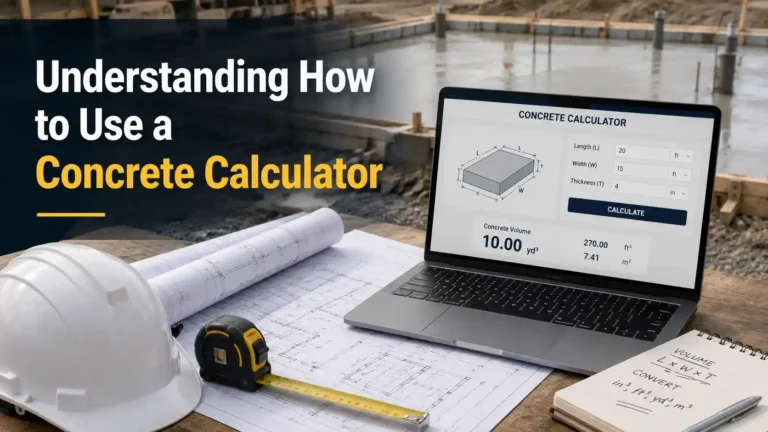
Calculating brick quantity for house exteriors involves some basic geometry.
Measure the total perimeter of the house.
Multiply the perimeter by the height of the walls to get the gross square footage.
Calculate the square footage of all doors and windows, and subtract this from the gross square footage.
Multiply your final net square footage by the number of bricks per square foot (usually 7 for standard modular bricks).
Pro Tip: Always add a 5% to 10% waste factor to account for breakages and cuts.
Don’t Forget the Mortar
Masonry is not just about the bricks. Estimating mortar and sand requirements is critical for a complete budget. As a general rule of thumb, it takes about one bag of masonry cement (70-75 lbs) and roughly 3 cubic feet of masonry sand to lay 100 to 150 standard bricks. If you are laying 10,000 bricks, you will need to budget for nearly 100 bags of cement and a large dump-truck load of sand.
The Hidden Expense: Installation and Labor
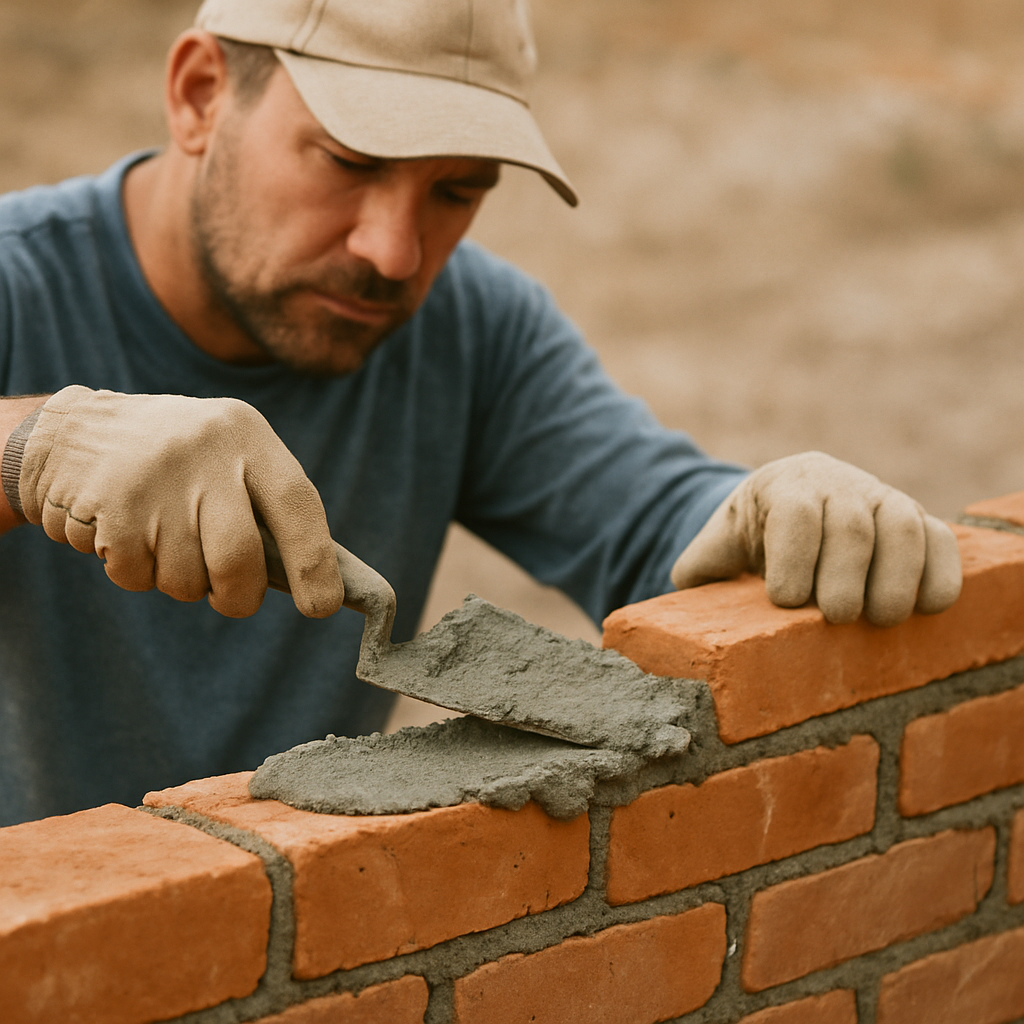
The most significant factor in current bricks price trends isn’t the clay—it’s the manpower. Masonry is a highly specialized trade that requires physical endurance, precision, and years of experience. Because of the current shortage of skilled tradespeople, labor rates are at a premium.
When mapping out your project, the labor costs for bricklaying per square foot will often exceed the cost of the materials. Depending on your region, the complexity of the design, and the height of the wall (which may require scaffolding), masons typically charge between $7 and $15 per square foot for labor alone.
If you are incorporating complex patterns, arches, or working with hard-to-clean reclaimed bricks, expect those labor quotes to land on the higher end of the spectrum. When you combine the materials, mortar, and labor, the fully installed cost of a brick wall usually ranges between $12 and $25 per square foot.
Conclusion
Understanding the trends surrounding bricks price requires looking at the big picture. It is not just about the cost of a single clay block. By factoring in bulk pricing, delivery logistics, the type of brick you choose, and the premium cost of skilled masonry labor, you can build a highly accurate, realistic budget.
Whether you opt for standard modular face bricks, high-end reclaimed vintage units, or even decide to pivot to lightweight AAC blocks, thorough planning ensures your project will be a structural and financial success. Take the time to measure your square footage accurately, estimate your mortar needs, and always seek out wholesale discounts for large builds. With the right preparation, your brick project will stand strong for generations to come.
Newsletter Updates
Enter your email address below and subscribe to our newsletter