Before You Go — Get BRAND BOA Updates Top Products, Shed Plans & Estimating Tips
Join homeowners, DIY builders & contractors
Subscribe to receive construction product recommendations, shed plan updates, BOQ tips, and useful buying guides for tools, materials, finishes, and building essentials. We’ll help you discover selected products from trusted USA suppliers and share practical ideas to plan, price, and build smarter.
Every successful skyscraper, sprawling commercial complex, or cozy residential home begins long before the first shovel ever hits the dirt. The secret to a seamless build lies in meticulous construction project planning. Without a clear roadmap, even the most well-funded projects can quickly spiral into chaos, plagued by budget overruns and missed deadlines.
Understanding the project management life cycle phases—initiation, planning, execution, monitoring, and closure—is essential for keeping any development on track. In the construction industry, the planning phase is arguably the most critical. By developing a robust building construction project plan, project managers can accurately forecast costs, assign resources, and navigate complex legal frameworks.
In this comprehensive guide, we will explore highly effective strategies for mastering the planning process. Whether you are tackling a small residential build or a massive corporate facility, these actionable insights will help you build with confidence.
The Foundation: Mastering the Pre-Construction Phase
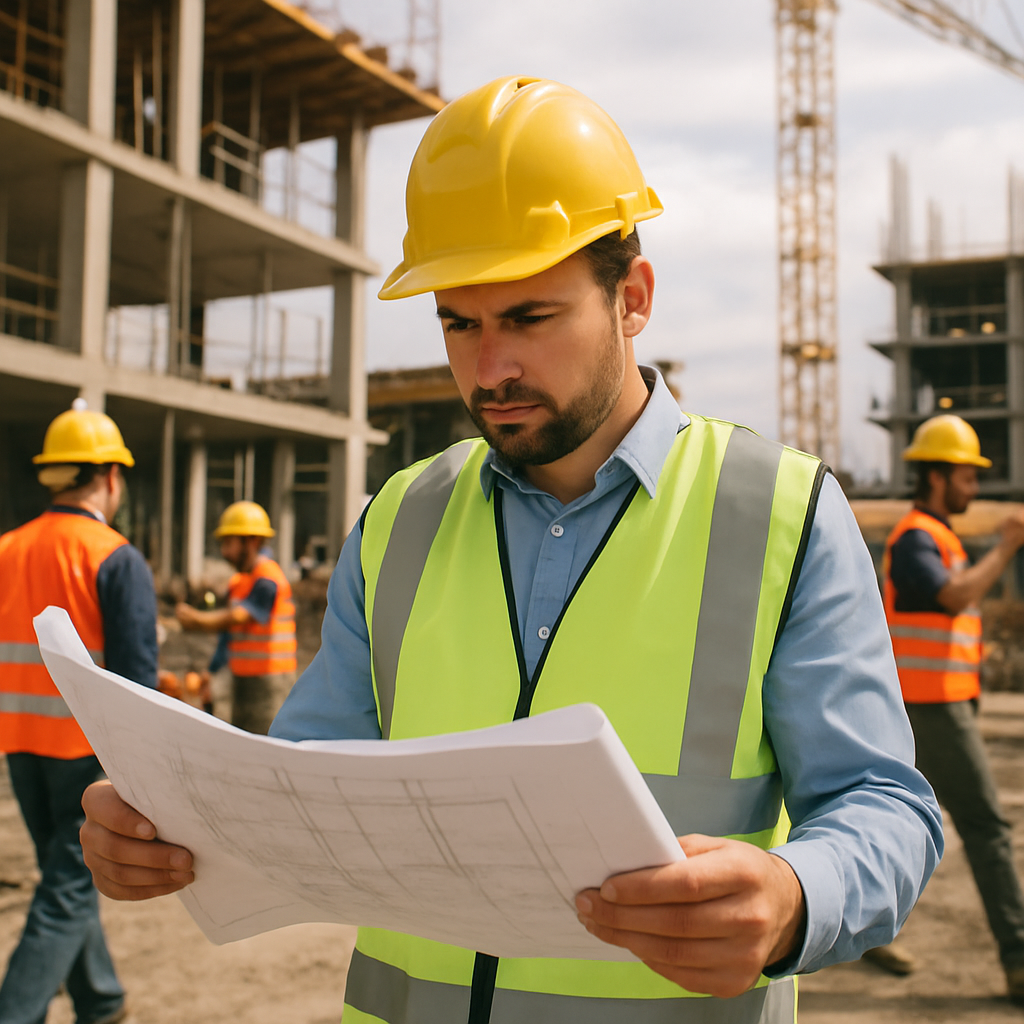
Before breaking ground, project managers must solidify the groundwork of the project. If you are wondering how to plan a building project successfully, the answer always starts in the pre-construction phase. This is where ideas are translated into actionable scopes of work.
Starting with a Solid Checklist
Whether you are training a new team member or organizing your own workflow, utilizing a pre-construction checklist for beginners is an incredible way to ensure no vital step is overlooked. A good checklist should include:
Defining the project scope and final deliverables.
Conducting feasibility studies and site soil testing.
Finalizing architectural and engineering designs.
Establishing a realistic budget and timeline.
Financials and Legalities
One of the most daunting tasks for any project manager is figuring out how to estimate construction costs accurately. A successful estimate must account for direct costs (like labor, materials, and equipment) as well as indirect costs (like insurance, administrative fees, and temporary site utilities). It is highly recommended to build in a contingency fund of at least 10% to 15% to absorb unexpected price fluctuations.
Equally important is navigating the building permit application process. Local zoning laws and building codes vary wildly by region. Submitting accurate architectural plans to the local municipality early in the planning stage prevents massive legal bottlenecks later. Delaying your permit applications is a surefire way to stall your entire timeline.
Customizing Your Approach: Residential vs. Commercial
Not all construction projects are created equal, and your construction work plan must be tailored to the specific scale and scope of the job at hand.
A project management plan for building a house will naturally look very different from a large-scale commercial endeavor. Residential plans usually involve fewer stakeholders, a more straightforward supply chain, and shorter timelines. The focus here is often on client communication, as homeowners are intimately emotionally and financially invested in the day-to-day progress.
Conversely, commercial construction project planning requires a much higher level of logistical orchestration. You are dealing with corporate boards, massive procurement orders, complex MEP (mechanical, electrical, and plumbing) systems, and stringent environmental regulations. The communication matrix is vastly more complex, demanding sophisticated software and rigorous daily reporting.
Organizing the Site: Logistics and Safety
A well-organized physical workspace is just as important as a well-organized schedule. Effective construction site planning ensures that workers, heavy machinery, and materials can move safely and efficiently around the location.
Creating a Site Logistics Plan
Developing a site logistics plan involves mapping out the physical footprint of the construction site. You need to designate specific zones for material laydown, waste management, temporary field offices, and worker parking. A smart logistics plan minimizes the time workers spend walking to fetch materials, thereby increasing daily productivity. It also ensures that heavy delivery trucks can enter and exit the site without blocking public traffic or endangering workers.
Prioritizing Job Site Safety
The most critical element of site organization is mitigating site safety hazards. Construction is an inherently dangerous industry, but proactive planning saves lives and protects your bottom line. Actionable safety strategies include:
Mandating daily “toolbox talks” to discuss the specific hazards of the day’s tasks.
Enforcing strict Personal Protective Equipment (PPE) protocols.
Ensuring proper fall protection systems are in place before working at heights.
Regularly inspecting heavy machinery and power tools for defects.
Scheduling and Resource Management
Time is money in construction. Building an accurate, dynamic schedule is the beating heart of construction project planning.
Choosing the Right Scheduling Method
To keep complex projects moving, project managers rely on advanced scheduling methodologies. Critical Path Method implementation is an industry standard. The Critical Path Method (CPM) identifies the longest sequence of dependent tasks that must be completed on time for the project to finish by its deadline. If a task on the critical path is delayed, the entire project is delayed.
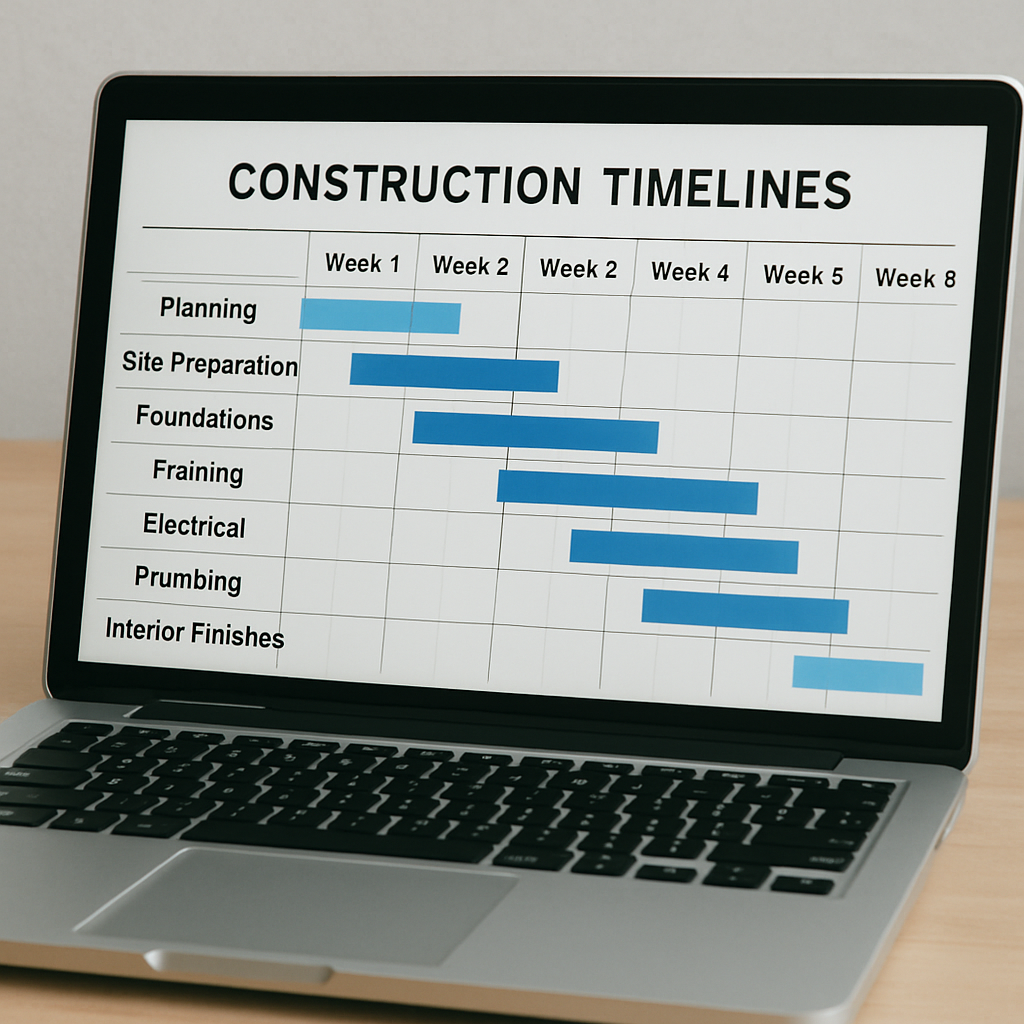
When visualizing this schedule, managers often debate the merits of a Gantt chart vs PERT chart.
Gantt Charts: These are excellent for visualizing the project timeline. They use horizontal bars to show when tasks start and end, making it easy for the crew to see daily expectations.
PERT Charts: Program Evaluation and Review Technique (PERT) charts are better for visualizing task dependencies. They look like flowcharts and are ideal in the early planning phases to map out how different phases interconnect.
Most modern project managers use a combination of both to maintain total control over the schedule.
Managing People and Materials
A perfect schedule is useless without the resources to execute it. Mastering resource allocation techniques ensures that you have the right tradespeople and equipment on-site exactly when they are needed—neither too early (wasting money on idle time) nor too late (causing schedule delays).
This ties directly into procurement management for materials. In today’s volatile supply chain environment, ordering materials just-in-time can be risky. Project managers must identify long-lead items (like custom steel, specialized glass, or electrical switchgear) and order them months in advance. Establish strong relationships with multiple vendors to ensure you have backup options if your primary supplier falls through.
Leveraging Technology and Communication
The days of managing a multi-million dollar build entirely on paper are long gone. Embracing digital transformation is a cornerstone of modern construction planning.
The Power of Construction Tech
Before investing in software, it pays to read current construction scheduling software reviews. Platforms like Procore, Primavera P6, and Buildertrend offer different features tailored to different project sizes. The right software provides a centralized hub for RFIs (Requests for Information), submittals, daily logs, and budget tracking.
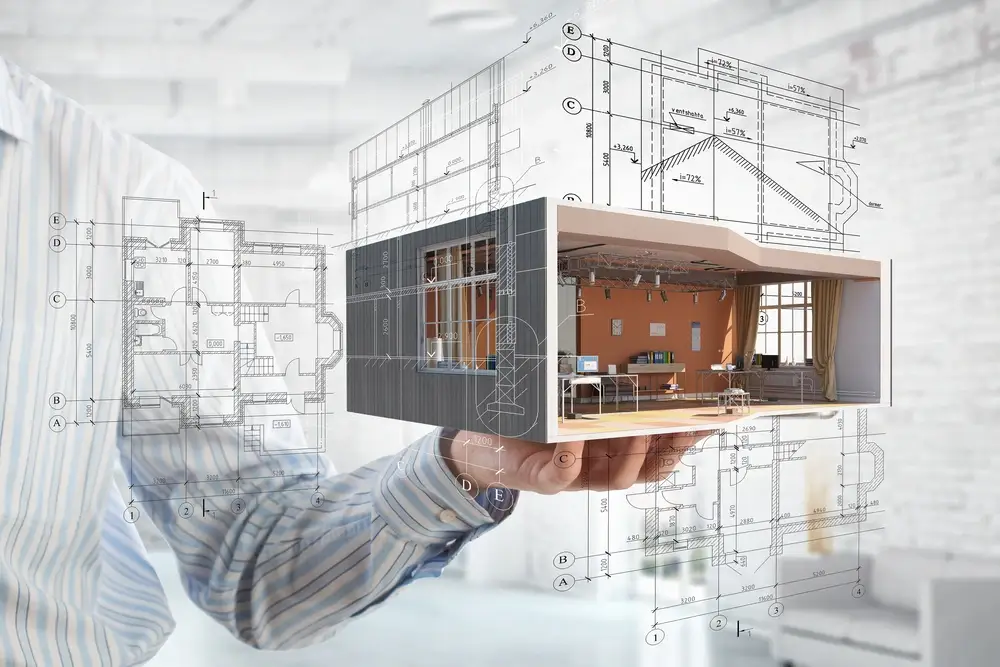
Furthermore, the advantages of Building Information Modeling (BIM) cannot be overstated. BIM allows teams to create highly detailed 3D digital representations of the building before physical construction begins. This technology enables clash detection—for example, spotting where a planned HVAC duct intersects with a plumbing line—allowing engineers to resolve the issue digitally rather than spending thousands of dollars fixing it on the physical job site.
Keeping Everyone on the Same Page
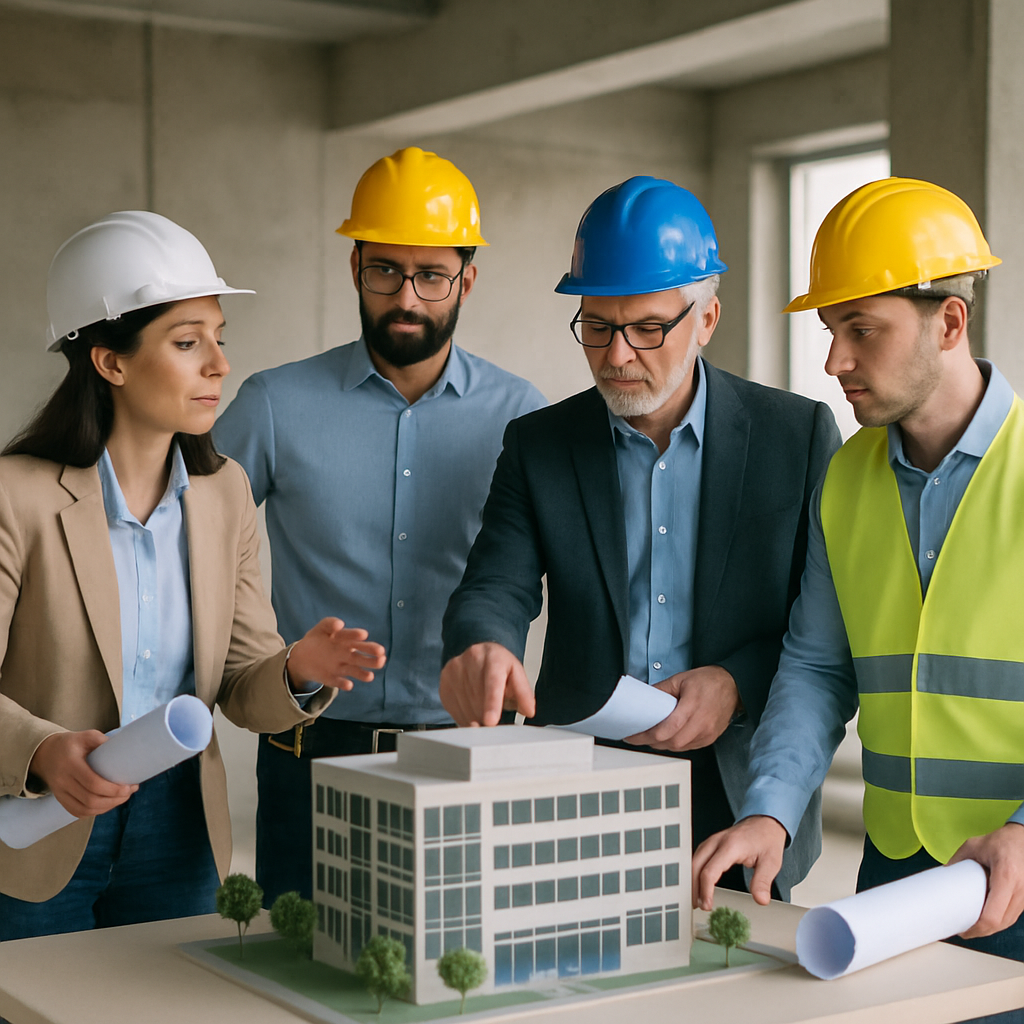
A project is only as strong as its team’s ability to communicate. Implementing strong stakeholder engagement strategies keeps clients, investors, architects, and sub-contractors aligned. Establish a regular cadence of communication, such as weekly progress meetings and automated daily email reports. When stakeholders are kept in the loop regarding both successes and challenges, you build trust and significantly reduce friction when difficult decisions need to be made.
Risk Management and Quality Control
Even the most perfect plans will encounter turbulence. The hallmark of a great project manager is not the ability to avoid all problems, but the ability to anticipate and manage them.
Avoiding Setbacks
Familiarize yourself with the most common delays in building projects so you can proactively build defenses against them. These typically include severe weather events, sudden changes in client scope, supply chain disruptions, and labor shortages. By identifying these risks during the planning phase, you can build appropriate buffers into your CPM schedule and financial contingency funds.
Maintaining High Standards
Speed should never come at the expense of safety or quality. Establishing rigorous quality assurance and control protocols guarantees that the final structure meets all engineering specifications and client expectations. Quality assurance (QA) is process-oriented—it involves setting up the right training, materials, and workflows to prevent defects. Quality control (QC) is product-oriented—it involves the actual physical inspections and testing (such as concrete slump tests or weld inspections) to verify that the completed work meets the required standards.
By integrating these QA/QC protocols into your daily construction work plan, you eliminate the need for costly rework and ensure a final product that will stand the test of time.
Final Thoughts on Construction Project Planning
Effective construction project planning is an intricate dance of budgeting, scheduling, logistics, and human relationships. From the initial pre-construction checklists to the final quality control inspections, every phase requires intentionality and foresight.
By leveraging modern technologies like BIM, implementing rigorous critical path scheduling, and prioritizing clear stakeholder communication, you can transform a chaotic build into a streamlined, profitable success. Ultimately, the time and resources you invest in planning before the foundation is poured will pay massive dividends throughout the entire lifecycle of the building.
Newsletter Updates
Enter your email address below and subscribe to our newsletter