Before You Go — Get BRAND BOA Updates Top Products, Shed Plans & Estimating Tips
Join homeowners, DIY builders & contractors
Subscribe to receive construction product recommendations, shed plan updates, BOQ tips, and useful buying guides for tools, materials, finishes, and building essentials. We’ll help you discover selected products from trusted USA suppliers and share practical ideas to plan, price, and build smarter.
Have you ever noticed a brand-new sidewalk cracking just weeks after it was poured? That isn’t bad luck—it’s a system failure. A quality management system in construction isn’t about endless paperwork; it is the invisible shield keeping the people inside safe.
Building a house is like conducting a massive orchestra, where a shared sheet of music prevents pure noise. According to industry data, fixing mistakes after walls are closed costs significantly more than doing it correctly the first time. Nobody wants to live in a home where a builder simply “eyeballed” the foundation. To prevent costly rework, companies rely on construction quality management to act as the “Master Instruction Manual” for every worker on the site.
Achieving a “First-Time Right” mindset means getting the job perfect initially, long before anyone needs a sledgehammer to fix an error. Research shows that proactive planning prevents 90% of future repair costs by catching issues while they are still marks on a page. Ultimately, structural safety is the result of a proven system, rather than just good luck.
Prevention vs. Detection: The Secret Power of QA and QC
Imagine baking a complex wedding cake. A strong construction quality management program works exactly like a master recipe, keeping the final product consistent. To understand this, we must explore the differences between quality assurance and quality control. Quality Assurance (QA) is writing the recipe and buying the right ingredients—it focuses entirely on prevention. Quality Control (QC) is tasting the frosting before serving—it focuses on detection.
Testing the recipe on paper is always cheaper than throwing away a ruined cake. In everyday construction, these two distinct steps work together to stop costly surprises:
QA (Prevention): Reviewing blueprints and training the crew before work begins so mistakes never happen.
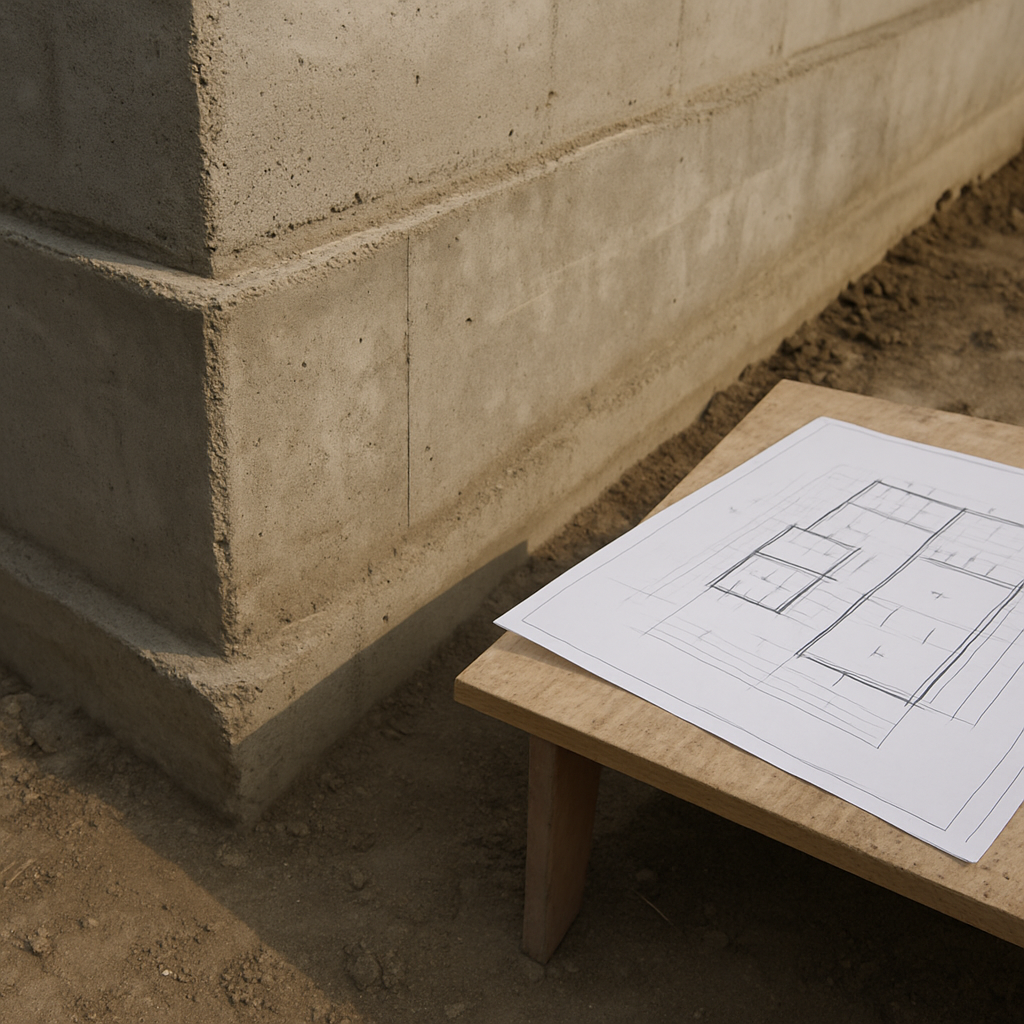
QC (Detection): Inspecting poured concrete and checking for leaks before the drywall is closed up.
Because human error happens on busy job sites, combining these methods is exactly how to reduce rework in civil engineering and home building. Finding a mistake while it is still in the design phase saves double the cost of fixing it later. Combining prevention and detection creates a solid foundation for a comprehensive project quality plan.
Building Your Roadmap: The 5 Steps to a Project Quality Plan
Every successful build needs an instruction manual for the company—what professionals call a construction quality plan. Think of this document as a roadmap guiding a simple, repeating loop: plan the work, do it, check the results, and act to fix issues (the Plan-Do-Check-Act cycle). Proving a company consistently follows these rules creates a baseline of trust. This acts much like a driver’s license for businesses, often recognized globally as ISO 9001 compliance.
Whether erecting a skyscraper or renovating a home kitchen, a building construction quality control plan keeps everyone perfectly aligned. Clarifying responsibilities prevents costly mix-ups, like two different contractors accidentally using incompatible materials. To organize any project successfully, follow these steps to create a project quality plan:
Define the final quality goals and safety standards.
Assign clear roles to avoid overlapping tasks.
Write step-by-step guides for all critical work.
Schedule routine inspections to catch errors early.
Establish a reliable method to fix and learn from mistakes.
Once these duties are locked in, finger-pointing vanishes and getting it right the first time becomes the standard. Executing this roadmap effectively requires making the rules easily accessible when job site pressure mounts.
Checklists and Digital Tools: The Site Worker’s Secret Weapon
Forgetting a single detail on a construction site—like properly sealing a window—can cause major water damage. Today, the benefits of digital site inspection checklists replace the old-school “gut feeling” of builders. Using a smart device provides a foolproof memory aid that ensures nothing is missed under pressure.
This technology instantly connects the field to the main office. When mitigating project risks through standardized inspections, builders rely on top construction quality management software features:
Instant Updates: Real-time site monitoring lets the office see progress immediately.
Photo Evidence: Workers snap pictures of pipes, proving they are installed correctly before drywall hides them.
Mandatory Fields: The app requires every quality box to be checked before the next phase begins.
Even with great tools, mistakes occasionally happen. When a material fails an inspection, swift intervention is required to prevent a permanent defect.
The ‘Oops’ Manual: Managing Non-Conformance and Corrective Actions
When inspectors discover a brand-new window leaking during a rainstorm, they don’t just quietly patch it up; they document it using a formal ticket called a Non-Conformance Report (NCR). A solid qc plan for construction relies on this exact transparency, because hiding an error is far more dangerous than making one.
Instead of pointing fingers, teams use the non-conformance report management process to investigate and learn through a three-stage workflow:
Containment: Stop the immediate damage, like placing a tarp over the leaking window.
Root Cause Analysis: Ask “why” until you find the source, not just the symptom. Was the sealant cheap, or did the wooden frame warp?
The Fix: Implement a permanent solution to ensure this specific failure never happens again on the job site.
Preventing structural defects with corrective actions ultimately transforms yesterday’s mistakes into tomorrow’s safety rules. By treating every documented error as a practical lesson, companies build safer, longer-lasting homes. Still, the best way to avoid a failure is to ensure the raw ingredients are solid from day one, which requires rigorous material testing.
Is the Concrete Strong Enough? Testing Materials for Integrity
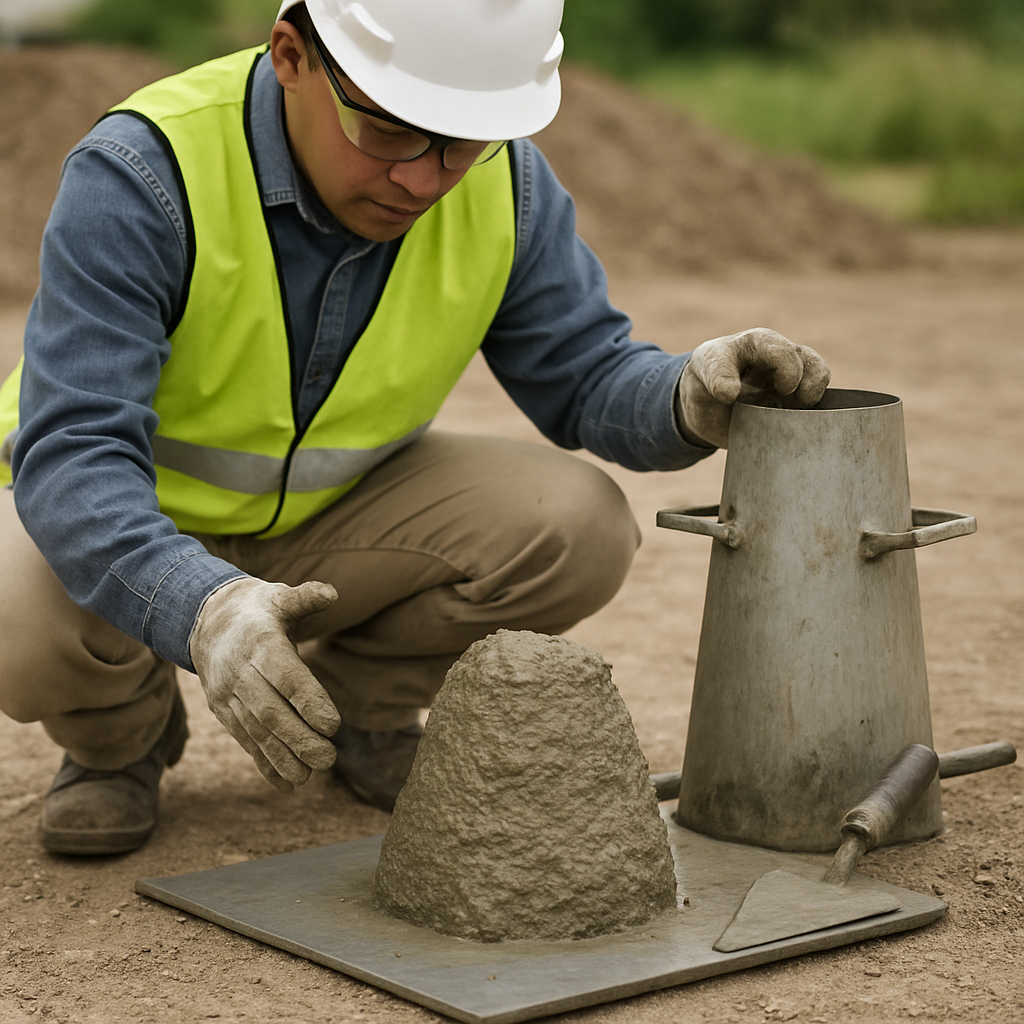
Even the greatest chef will fail if their raw ingredients are spoiled, and building a house follows that exact logic. Before a single brick goes down, builders rely on material testing protocols for structural integrity to ensure the concrete and steel can actually hold the required weight. Think of it as a mandatory safety checkpoint; if the foundation’s recipe is weak, everything built on top of it is instantly compromised.
Getting those premium ingredients to the job site safely requires a different kind of vigilance. Through rigorous supply chain verification for building materials, contractors carefully track the origin of everyday items like plumbing pipes and roofing shingles to avoid dangerous, counterfeit knock-offs. This tracking acts like a digital receipt, proving that the delivered supplies perfectly match what the architect originally ordered.
Independent laboratories often grade these deliveries, acting as an impartial check for the material suppliers. Trusting this thorough construction quality management prevents builders from accidentally using weak materials that inevitably cause expensive tear-downs. Catching bad parts before they get permanently buried behind drywall ultimately protects the project’s bottom line.
The Bottom Line: How Quality Systems Pay for Themselves
Paying a plumber twice because the first fix leaked ruins budgets. When comparing lean construction vs traditional quality management, the old way expects mistakes and fixes them later. The “lean” way acts like an efficient kitchen, removing waste and ensuring things are done right the first time.
By conducting internal audits on job sites, builders create safeguards to catch errors before they become massive disasters. This is the key to improving project ROI with proactive audits. Quality management saves money on a project in a few specific ways:
Catching incorrect pipe sizes before pouring concrete floors.
Stopping the use of improper materials that would void warranties.
Preventing schedule delays caused by waiting for replacement parts.
Preventing just one major foundation mistake easily pays for the entire quality program, making it crucial to partner with a quality-first contractor.
Your Path to a Safer Build: How to Spot a Quality-First Contractor
A successful construction quality management program isn’t about luck—it’s about a proven system. When evaluating a builder, prioritize their ability to do things “First-Time Right.” If you are wondering what are key performance indicators for site quality, simply look for a low “Percentage of Rework” (time spent fixing mistakes).
To ensure quality management in construction projects protects your investment, ask any contractor these three questions:
Can I see your written quality control plan?
Do you use digital tracking to catch errors early?
Does your company hold an ISO certification?
Verifying these standards provides peace of mind. By demanding a clear process, you ensure your project is built to last—getting it right the first time and avoiding the cost of rework.
Newsletter Updates
Enter your email address below and subscribe to our newsletter