Before You Go — Get BRAND BOA Updates Top Products, Shed Plans & Estimating Tips
Join homeowners, DIY builders & contractors
Subscribe to receive construction product recommendations, shed plan updates, BOQ tips, and useful buying guides for tools, materials, finishes, and building essentials. We’ll help you discover selected products from trusted USA suppliers and share practical ideas to plan, price, and build smarter.
Stepping into the real estate market is always an exciting venture, but there is a unique thrill that comes with purchasing a property that hasn’t even been built yet. The world of pre construction offers buyers the chance to secure a brand-new home at today’s prices, customize their living space, and potentially watch their investment grow before they even receive the keys.
However, buying an unbuilt property is vastly different from purchasing an existing home. From navigating complex deposit structures to understanding builder warranties, there is a steep learning curve. Whether you are a first-time homebuyer or a seasoned investor, mastering the essentials of this process is crucial.
Let’s dive into the ultimate guide to understanding this dynamic sector of real estate, equipping you with the knowledge you need to make confident, informed decisions.
What is Preconstruction? Demystifying the Basics
If you are new to this side of the real estate market, you might be asking yourself, what is preconstruction exactly?
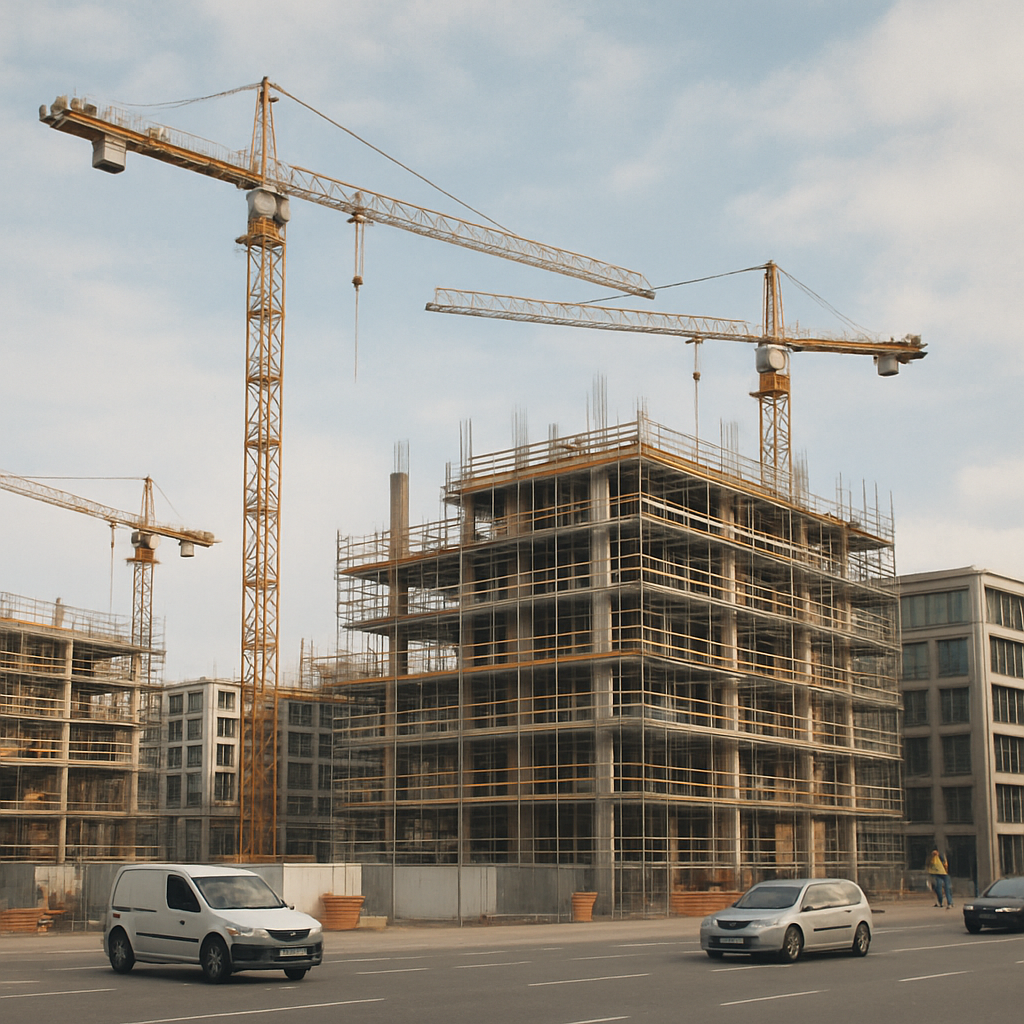
In real estate, when people ask, what does pre construction mean, they are referring to the phase of a development project before ground has been broken. For a buyer, it means purchasing a property—whether it is a high-rise condo, a townhome, or a single-family house—based solely on architectural designs, renderings, and site plans.
From an industry perspective, if you are wondering what does preconstruction mean for builders, it refers to the intensive period of feasibility studies, design, permitting, and scheduling. It is the time when the blueprint of the project is solidified.
When weighing the pros and cons of resale vs newly built homes, the appeal of pre-con is clear. Resale homes require you to accept someone else’s design choices and deal with immediate maintenance. New builds offer a blank canvas, modern energy efficiencies, and the peace of mind that comes with brand-new infrastructure.
Behind the Scenes: How Builders Prepare
While buyers are browsing glossy brochures, builders are deep into preliminary planning in construction. This phase is the bedrock of any successful development. Without it, projects easily run over budget or fall behind schedule.
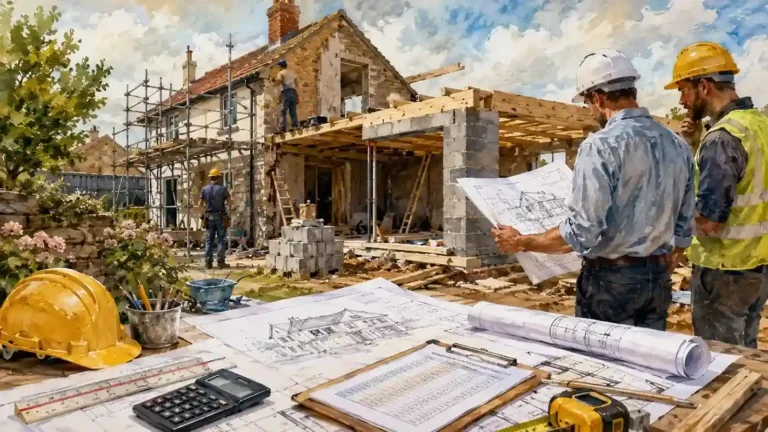
Effective preconstruction planning involves soil testing, environmental assessments, securing zoning approvals, and finalizing architectural blueprints. Because of the sheer complexity of modern developments, many builders rely on specialized construction management preconstruction services. These services help developers estimate costs accurately, manage supply chain logistics, and identify potential risks before a single shovel hits the dirt. Understanding that this rigorous background work is happening can give buyers confidence that their future home is built on a foundation of solid planning.
The New Build Home Buying Process Explained
The new build home buying process is uniquely structured. Unlike buying a resale property where you tour a physical space, negotiate, and close within a few months, the pre-con journey can span several years.
Buying from a Blueprint
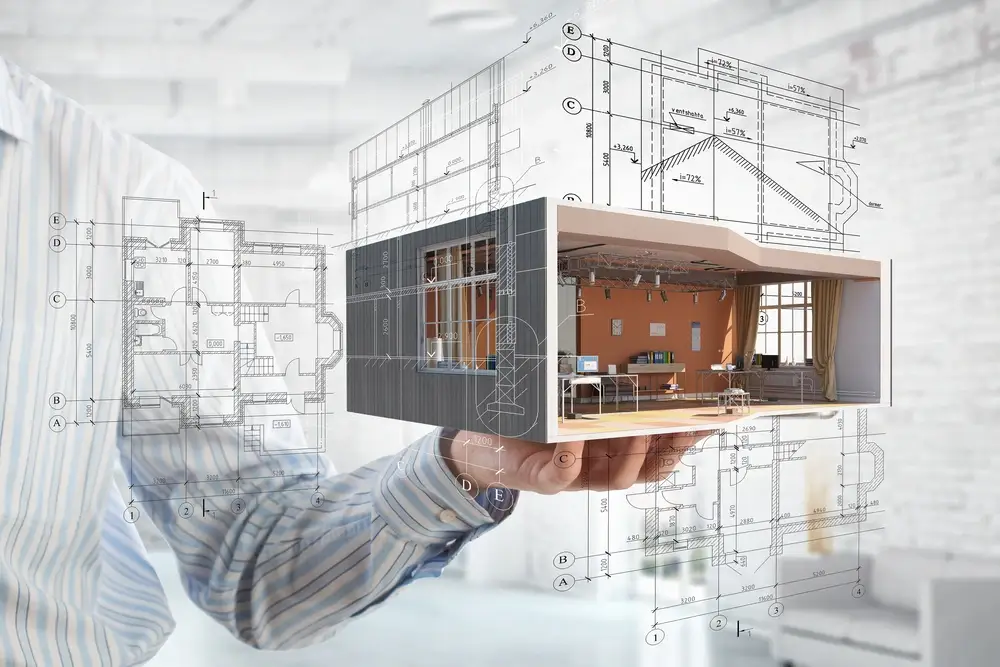
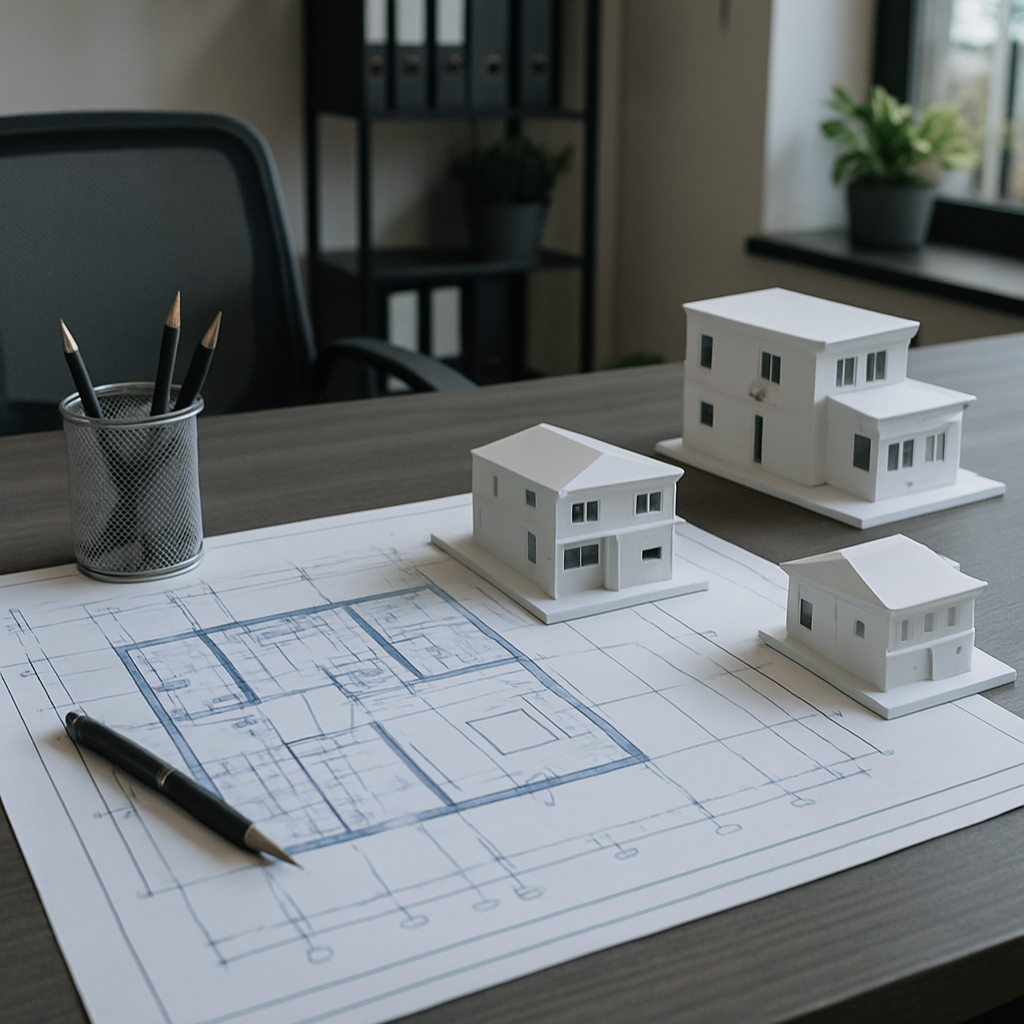
Buying property from floor plans requires vision. You are not just looking at room dimensions; you have to imagine the flow of natural light, the placement of your furniture, and how the layout suits your lifestyle. It is highly recommended to study the floor plan’s scale carefully and visit the builder’s model suite if one is available.
Protecting Your Investment: The Cooling-Off Period
In many jurisdictions, buyers of new condominiums are legally entitled to cooling off period rights. This is typically a 10-day window after signing the Agreement of Purchase and Sale. During this time, you can have a real estate lawyer review the extensive contract. If you discover unfavorable terms or simply get cold feet, you can walk away from the deal without penalty and have your initial deposit fully refunded.
Understanding the Phased Deposit
Unlike a traditional down payment that is handed over at closing, pre-con builders require capital upfront to secure financing for the construction. This is where phased deposit structure requirements come into play. A typical structure might look like this:
$5,000 upon signing the contract.
The balance to 5% after the cooling-off period (e.g., 30 days).
5% at 90 days.
5% at 180 days.
5% at occupancy.
This phased approach allows buyers to break up their down payment into manageable chunks over a year or more, making it an attractive option for those who need time to save.
Financial Considerations and Closing Complexities
The financial mechanics of pre construction require careful navigation. You must be prepared for unique costs and tax implications that do not exist in the resale market.
Financing Your Future Home
Many buyers wonder how to finance unbuilt condos or houses. Even though the property won’t be completed for years, reputable builders usually require a mortgage pre-approval letter upon signing. This proves you have the borrowing capacity to close the deal. However, your actual mortgage does not commence until the building is officially registered and ownership is transferred to you at final closing.
Navigating Interim Occupancy
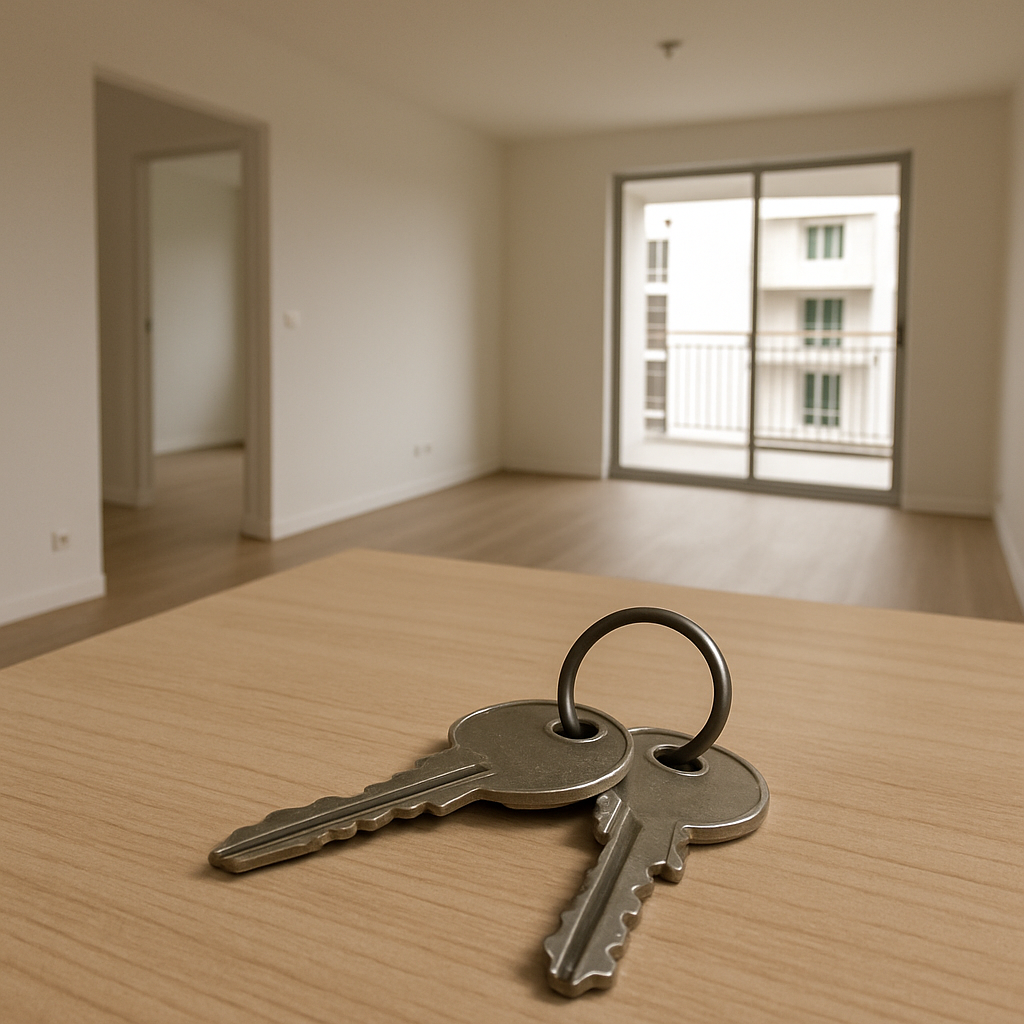
If you are buying a pre-con condo, you will experience a phase known as interim occupancy. Having interim occupancy fees explained is vital to avoid sticker shock. When your specific unit is livable, you are handed the keys and can move in, but the building itself is not yet registered with the city.
During this period (which can last from three to twelve months), you do not own the condo yet, and your mortgage has not kicked in. Instead, you pay a monthly fee to the builder. This fee roughly equals the interest on the unpaid balance of your purchase price, estimated municipal taxes, and projected maintenance fees. It is essentially rent paid to the developer and does not go toward your principal.
Preparing for Closing Costs
When final closing day arrives, be prepared for closing costs for development projects. These are notoriously higher than resale closing costs. They can include development charges, educational levies, utility connection fees, and legal expenses. To protect yourself, always have your lawyer negotiate a “cap” on these levies during your cooling-off period.
Tax Rebates
Another crucial financial element is understanding your HST new housing rebate eligibility (or applicable local sales tax rebates). In Canada, for instance, if you are purchasing a new home as your primary residence, the builder usually bakes this rebate into the purchase price. However, if you are buying the property as an investment to rent out, you will likely have to pay the tax upfront at closing and apply for the rebate yourself later, provided you have a one-year lease agreement in place.
Navigating Risks and Rewards
Like any investment, the pre-con market comes with a unique set of pros and cons.
The Rewards
The biggest draw for many is the potential for property appreciation during building phase. Because you lock in your purchase price years before completion, a rising real estate market means your property could be worth significantly more by the time you actually move in.
Additionally, life circumstances change. If you purchase a property but later realize you cannot or no longer want to close on it, you might have the option of assigning a real estate contract. An assignment sale allows you to sell your contract (and the rights to the future home) to another buyer before final closing, often allowing you to pocket the equity gained during the construction phase.
The Risks
Conversely, buyers must be acutely aware of the risks of project delays and cancellations. Material shortages, labor strikes, and zoning disputes can push occupancy dates back by months or even years. In rare and unfortunate cases, a developer may cancel a project entirely due to financial unviability, returning your deposit but leaving you priced out of a market that has appreciated in the meantime.
Warranty Protections
To mitigate these risks, government-backed warranty programs exist. In Ontario, Canada, for example, familiarizing yourself with Tarion warranty coverage details is essential. Tarion protects your deposits up to a certain amount in case of project cancellation. Once you move in, it also provides a 1-year, 2-year, and 7-year warranty covering everything from minor cosmetic defects to major structural flaws. Always check what statutory warranties apply in your specific region.
Practical Tips for Pre-Construction Buyers
To ensure a smooth and successful purchase, strategy and research are paramount.
Research the Developer
Never buy from a builder blindly. Use a strict developer reputation research checklist:
Track Record: How many projects have they successfully completed?
Quality of Work: Visit their past developments. Are they well-maintained?
Delays: Do they have a history of excessively delaying or canceling projects?
Financial Stability: Are they partnered with reputable lenders and construction management firms?
Reviews: What do past buyers say about their post-closing customer service?
Designing Your Space
One of the most enjoyable aspects of the process is selecting interior finishes and upgrades. Months before occupancy, you will be invited to a design studio. While it is tempting to upgrade everything, focus your budget on structural or difficult-to-change items—like upgraded kitchen cabinetry, structural wiring, or hardwood flooring. Cosmetic elements like cabinet hardware or statement lighting can easily and cheaply be swapped out later.
Final Thoughts
Entering the pre construction market is a journey that requires patience, foresight, and a solid understanding of the legal and financial frameworks involved. By taking the time to understand the nuances—from the initial deposit structures to the intricacies of closing costs and builder warranties—you can mitigate the risks and maximize the incredible rewards of buying brand new.
With the right research, a great legal and real estate team by your side, and a clear vision of your goals, buying an unbuilt home can be one of the most lucrative and satisfying real estate investments you will ever make.
Newsletter Updates
Enter your email address below and subscribe to our newsletter