Before You Go — Get BRAND BOA Updates Top Products, Shed Plans & Estimating Tips
Join homeowners, DIY builders & contractors
Subscribe to receive construction product recommendations, shed plan updates, BOQ tips, and useful buying guides for tools, materials, finishes, and building essentials. We’ll help you discover selected products from trusted USA suppliers and share practical ideas to plan, price, and build smarter.
You’ve probably noticed that a trip to the lumber yard feels like a heist lately. Building your dream backyard studio shouldn’t drain your savings, but rising inflation forces us to rethink our strategy. Uncovering the cheapest building materials requires looking well beyond the premium-priced 2x4s stacked at the front of the hardware store.
True affordability is rarely found on a price tag alone. According to standard construction industry data, contractor fees and long-term upkeep often eclipse initial purchase prices, which is why pros rely on “life-cycle costing.” This simple concept means evaluating upfront expenses alongside future maintenance needs when researching affordable residential framing options. A material might be dirt-cheap today, but it becomes a financial drain if it rots in three years.
Figuring out exactly what is the most economical way to build a house or shed usually involves leveraging “sweat equity”—trading your own physical labor to drastically lower total project costs. Before buying anything, carefully evaluate your local options and timeline to find that perfect sweet spot where bottom-dollar prices meet lasting durability.
Foundational Savings: Concrete Blocks and OSB vs. Traditional Alternatives
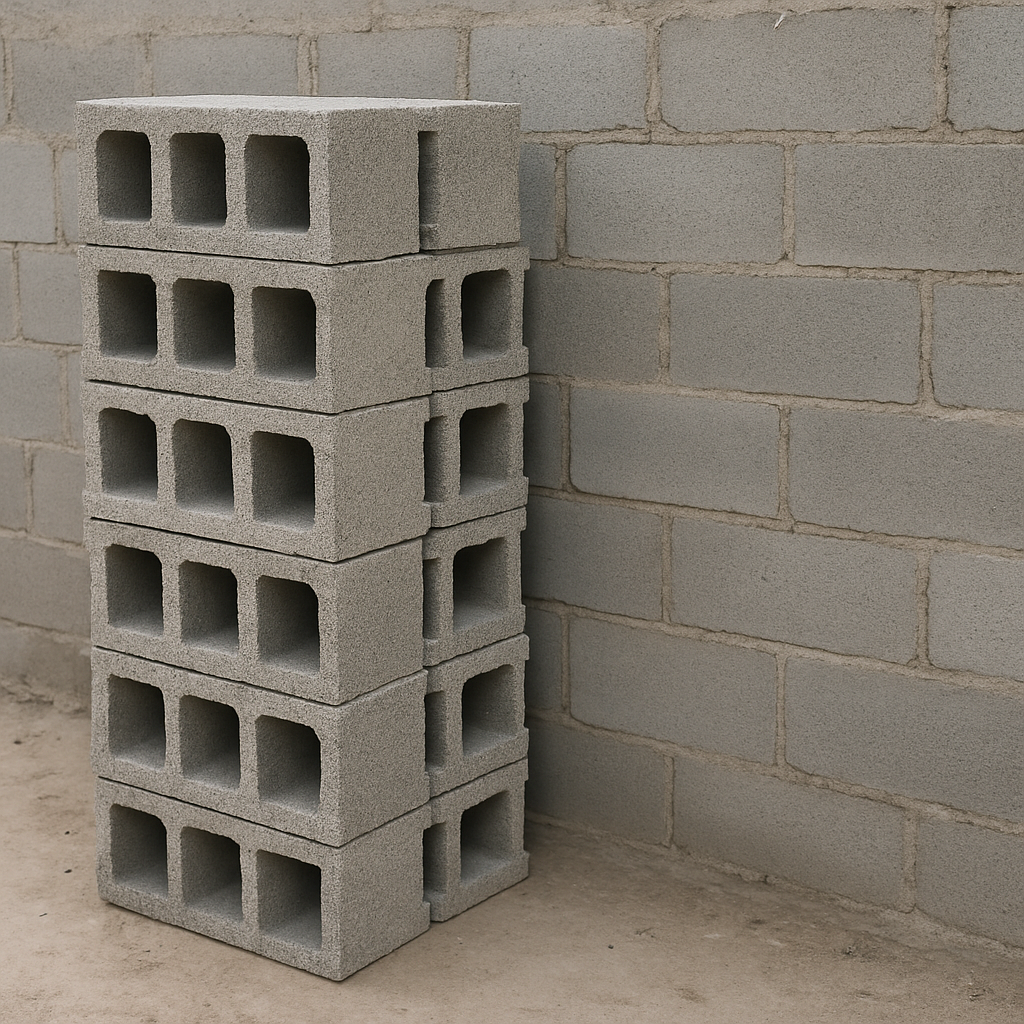
When seeking the cheapest building materials for a house, the secret often lies in those heavy gray blocks sitting at the local hardware store. Concrete Masonry Units (CMUs)—commonly called cinder blocks—are absolute budget champions. By skipping the expensive wooden forms and pump trucks needed for poured concrete, stacking CMUs can save you up to 40% on structural walls while providing excellent fire resistance.
Moving past the foundation, your basic framing needs a skin. Enter Oriented Strand Board (OSB), easily the cheapest construction material for subfloors and walls. Made of engineered wood flakes pressed together with heavy-duty glue, here is how it compares to traditional plywood:
Cost per sheet: OSB typically runs 15% to 30% less than plywood.
Moisture resistance: Plywood handles direct rain slightly better, though modern OSB is coated to resist swelling.
Structural stiffness: Both are fully approved for building codes, but plywood feels slightly stiffer underfoot.
True savings quickly vanish if rot destroys your hard work. Whenever your wood framing touches masonry or ground moisture, upgrading to pressure-treated lumber (PT wood) prevents expensive future repairs, making it a critical strategic choice among the cheapest building materials for homes.
Buying standard retail materials provides a solid, predictable baseline for your budget. However, if you are willing to hustle and get creative, even bigger bargains await in the salvage market.
The Treasure Hunter’s Guide to Reclaimed Lumber and Discount Supplies
Finding the least expensive building materials often means skipping the big-box stores entirely. Your first stop should be a Habitat for Humanity ReStore, a thrift shop for discount building supplies where surplus hardware sells for pennies on the dollar. If you prefer free wood, shipping pallets are a backyard favorite. Just look for the “HT” (Heat Treated) stamp on the side, meaning the wood was baked in a kiln to kill pests rather than soaked in toxic chemicals.
Keep in mind that sourcing reclaimed lumber for construction requires some serious sweat equity to ensure safety. Run every salvaged board through this rapid inspection:
Test for rot: Jab the ends with a screwdriver; if it sinks easily, toss it.
Check for insects: Look for tiny sawdust piles indicating active termites.
Find hidden nails: Slide a strong magnet over the wood to locate broken screws before they ruin your saw blades.
Avoid lead paint: Never sand painted vintage wood without using a cheap lead-testing swab first.
These recycled treasures keep your initial costs incredibly low, freeing up cash for the exterior layers. Once your salvaged frame is standing strong, you must protect it from the elements using cost-effective weatherproofing strategies.
Weatherproofing for Less: Corrugated Metal and Asphalt Secrets
Protecting your newly built salvaged frame means choosing an exterior skin that stops rain without draining your wallet. Corrugated metal siding offers massive savings, especially when you leverage recycled corrugated metal siding benefits. Compared to traditional masonry, metal panels cost roughly $1 to $3 per square foot. Furthermore, fastening these tall, vertical metal panels over your exterior wall layers reduces labor time by 30 percent since you cover huge sections instantly.
Keep in mind that metal is terrible at trapping heat. This introduces “R-value,” essentially a winter coat rating for your walls—the higher the number, the better it holds warmth. Because metal conducts cold, you must invest some of those siding savings into solid insulation underneath. Looking at the roof, when weighing asphalt shingles vs corrugated metal cost, asphalt is the absolute champion. These flexible strips are highly DIY-friendly and consistently rank as the best inexpensive roofing solutions for outbuildings.
Pairing these two reliable materials creates a watertight shell that protects your bottom line. But what if you want to skip modern manufactured supplies entirely? Natural building techniques offer compelling alternatives for maximum savings.
Dirt Cheap: Building with Earthbags and Cob for Maximum Savings
Stepping away from the hardware store reveals some of the cheapest building materials for homes: the dirt beneath your feet. A practical diy earthbag home building guide emphasizes using onsite soil to instantly eliminate heavy delivery fees. You simply fill woven sacks, stack them to form thick load-bearing walls, and lay barbed wire between rows so the structure grips together securely without slipping.
Alternatively, building with sustainable cob and straw involves hand-sculpting wet mud into solid structures. Both techniques shine because of “thermal mass.” Think of these heavy dirt walls like a thermal battery—they soak up the sun’s heat all day and slowly leak it indoors at night, heavily reducing your utility bills. To start, you need an essential dirt building toolkit:
Polypropylene bags
Barbed wire
Tamper
Clay-soil mix
Before grabbing a shovel, honestly assess your physical limits. This method replaces financial costs with extreme sweat equity, requiring you to manually haul hundreds of heavy sacks. If that physical toll sounds like a chiropractor’s nightmare, manufactured solutions might suit your project better—provided you run a strict reality check on their actual costs.
The Container and Prefab Reality Check
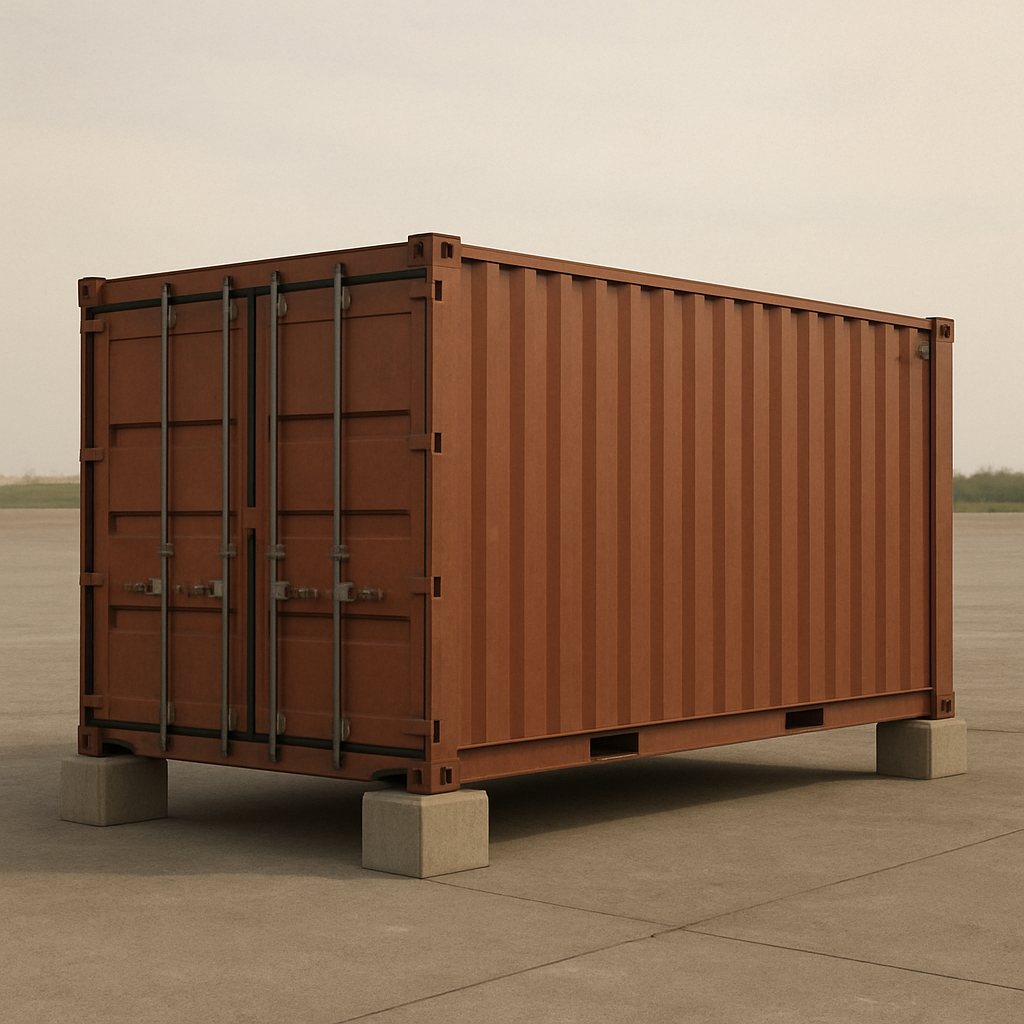
Dropping a metal box onto your prepared site seems like the ultimate shortcut. Yet, their viral appeal masks three major hidden expenses: heavy crane delivery fees, toxic floor paint removal, and intense shipping container structural modification costs. Think of a container like an aluminum soda can—cutting a simple window hole instantly destroys its rigid wall strength, requiring you to install pricey steel reinforcements just to keep the roof from sagging.
Instead of wrestling with recycled steel, embracing modularity—building with pre-made sections—often yields better savings. Like a car built efficiently on an assembly line, using SIPs (Structural Insulated Panels) moves the difficult labor into a controlled factory. A standard prefabricated modular home cost comparison reveals a guaranteed 20% time savings in labor because you simply snap together finished, insulated pieces on your job site.
Choosing a factory-built wall over a field-built one makes the most sense when local contractors charge premium hourly rates. Under those expensive conditions, factory panels become ideal low-cost alternatives to traditional masonry or stick-framing. With your exterior shell securely bolted together, you can safely shift focus inward to efficient interiors.
Efficient Interiors: Lowering Costs on Framing and Insulation
Once your shell is up, the next chance to protect your budget happens inside. Builders traditionally space wooden wall studs 16 inches apart, but a technique called “advanced framing” widens that gap to 24 inches. This structural shift safely uses 15% less wood without compromising stability. Because this lighter method lowers your home’s overall weight, it indirectly helps in reducing site preparation expenses for the foundation before the build even begins.
Exploring materials beyond standard pine also stretches your dollar. When weighing the pros and cons of bamboo vs timber for interior structural elements, bamboo offers incredible strength at a highly competitive price. However, bamboo often requires pre-drilling and specialized hardware to prevent the stalks from splitting, whereas traditional timber easily accepts standard nails from any local hardware store.
To fill those wall cavities affordably, look past expensive foam sprays. You can save up to 50% on materials by choosing blown-in insulation, specifically cellulose made from fire-treated recycled paper. Think of it like packing peanuts for your walls; it tightly settles into every gap, providing top-tier energy efficient insulation for low budgets.
From Blueprint to Budget Reality: Your Action Plan
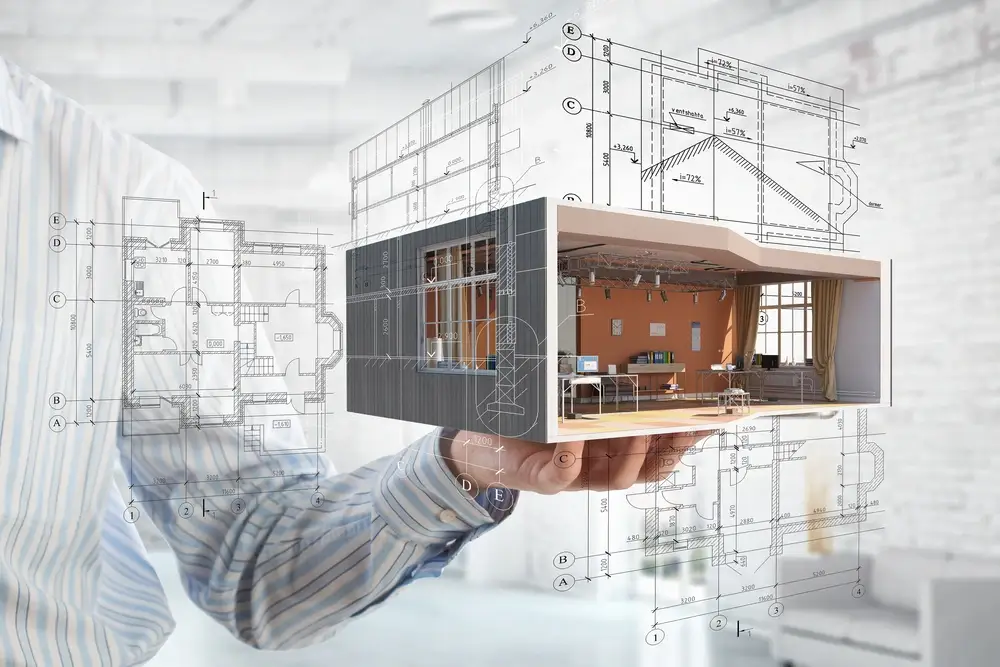
You no longer have to view the lumber yard as a budget trap. Before purchasing your cheapest building materials, start small by sketching your design and pulling permits—the one area you should never try to save money on. Then, draft a material budget containing a mandatory 10% “oops” fund for inevitable beginner mistakes.
Applying these budget-friendly building tips proves that smart strategy beats simply throwing cash at a project. Whether stacking concrete blocks, rescuing reclaimed wood, or opting for factory-built efficiency, affordable construction relies on careful planning and material awareness rather than an unlimited bank account.
Newsletter Updates
Enter your email address below and subscribe to our newsletter